Getting ready for a baby: a guide for Thai moms, from health checks to money to your heart (you don't need to be 100% ready to start)
Preparing for pregnancy: what to do 3 months before, checkups for both of you, thalassemia screening, folic acid, rubella vaccine, lifestyle, Social Security benefits, feelings, and when to see a doctor.

You’ve decided to have a baby. Part of you is excited, and part of you is confused: “So where do I even start?” Open social media and you find egg-boosting recipes, checkup packages costing tens of thousands of baht, and relatives asking “So when are you having one?” until your head spins.
No need to rush. You don’t have to be 100% ready to start. So we’ve gathered everything worth doing before pregnancy onto one page: your body, food, vaccines, money, benefits and your heart. Each topic links to a deeper read. Take it one step at a time and you’ll be fine.
I want a baby. What should I do to prepare before getting pregnant?
Quick Answer: Prepare 6 things: health checks for both of you, starting folic acid, checking your vaccines, adjusting your lifestyle and talking about medicines, checking your money and benefits, and talking about feelings. Start about 3 months before you try for a baby.
If you’re tired and don’t feel like reading a lot, look at this table first.
| Topic | What to do | Read more |
|---|---|---|
| Health checks | Blood tests, health history, blood pressure, blood sugar, for both of you | Health checkup before having a baby |
| Thalassemia | Carrier screening for both husband and wife | Thalassemia screening before having a baby |
| Folic acid | Start at least 1 month before pregnancy | Folic acid before pregnancy |
| Vaccines | Check rubella immunity. If you get MMR, wait 1 month | Vaccines section below |
| Money and benefits | Check Social Security, maternity leave, emergency fund | How many months of Social Security contributions to claim birth costs |
| Mind and relationship | Talk with your partner about your reasons, work, money, sharing responsibilities | Are we ready for a baby? |
How many months before pregnancy should I start preparing?
Quick Answer: About 3 months before you start trying, because the NHS recommends starting folic acid about 3 months before pregnancy, and if you need the MMR vaccine, you need to wait at least 1 month before getting pregnant.
Try breaking it into stages like this:
- 3 months before: book health checks for both of you, start folic acid, check your current medicines with your doctor, check your Social Security benefits
- 2 months before: get any vaccines you’re missing (if needed), start cutting down on smoking and alcohol, and adjust your diet
- 1 month before: get all your test results, plan work and money with your partner
- Start trying: don’t stress about counting days, have sex regularly, and look after each other
If you find out you’re pregnant before you had time to prepare anything, that’s totally okay. Skip straight to starting folic acid and booking antenatal care, as described in Your first antenatal visit: how many weeks?
What health checks do I need before pregnancy?
Quick Answer: Health and medicine history, a blood count and thalassemia screening, blood group, syphilis, HIV, hepatitis B, rubella immunity, blood pressure, blood sugar, weight, and cervical cancer screening if you’re due. The man needs some tests too.
The NHS recommends talking to a doctor before you start trying if you have a long-term condition, getting tested for sexually transmitted infections if you might be at risk, checking whether you’re due for cervical screening, and getting the MMR vaccine if you’ve never had it.
In the Thai context, the one you definitely need to add is thalassemia, because the Department of Medical Sciences states that as many as 18 to 24 million Thai people are carriers, and most don’t know it.
The full list, with separate checklists for her and him and how to choose where to go, is in Health checkup before having a baby: the tests OB-GYNs want you to do.
Why do both husband and wife need thalassemia screening?
Quick Answer: Because a baby can only have severe thalassemia if they get an abnormal gene from both dad and mom. If you’re both carriers of a matching type, each child has a 1 in 4 chance of having the disease.
There are 3 common types of severe thalassemia in Thailand, ranging from a type where the baby develops severe swelling (hydrops) and dies in the womb, to a type that needs blood transfusions for life. Testing starts with an ordinary screening blood test. If the result is abnormal, you then have a confirmation test.
Testing before pregnancy is better because you have more time to think and more options. But if you’re already pregnant, the Gold Card (Bat Thong, Thailand’s universal coverage scheme) also covers screening for both mom and husband. The testing steps, what the results mean, and the options for at-risk couples are in Thalassemia screening before having a baby: why the doctor wants dad’s blood too
What should I eat before pregnancy? Do I need folic acid?
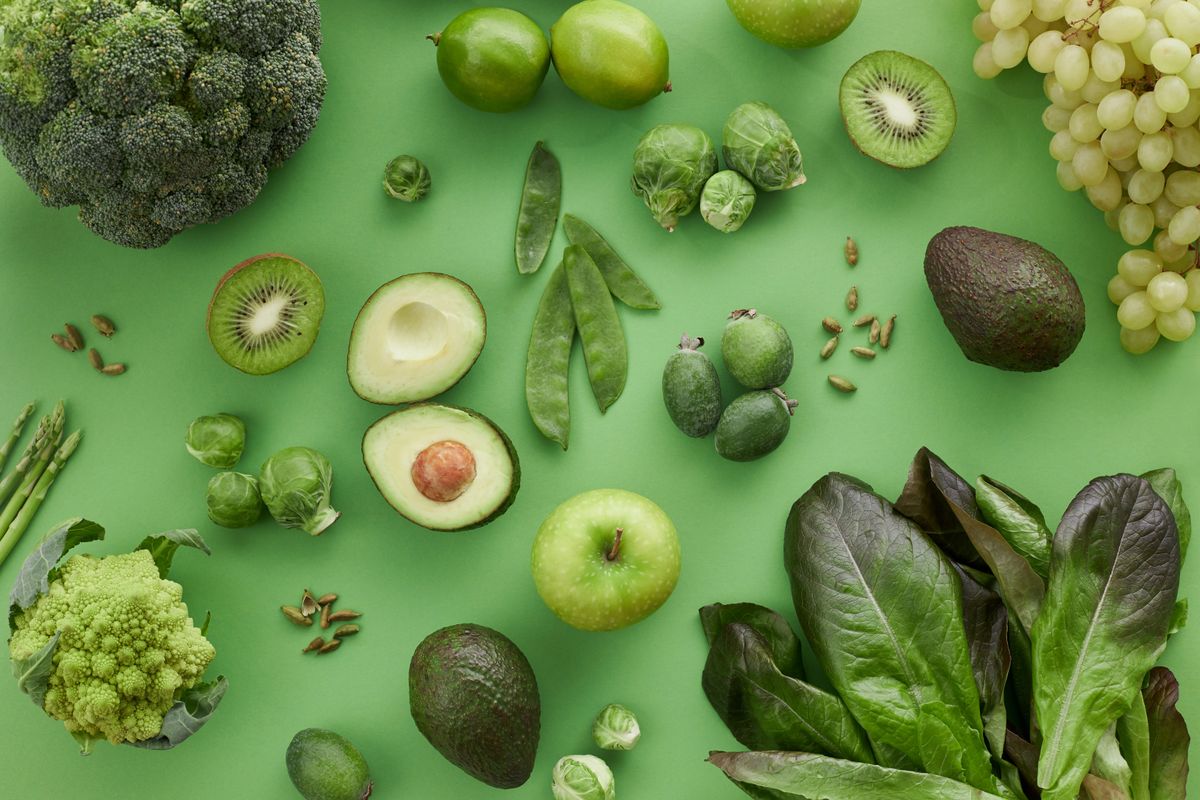
Quick Answer: Yes, you do. The CDC recommends 400 micrograms of folic acid a day, starting at least 1 month before pregnancy, to help prevent neural tube defects in your baby. Pair it with a varied diet with leafy greens, beans and fruit.
 Photo: Waskyria Miranda / Pexels
Your baby’s neural tube forms in the first few weeks, when many people don’t even know they’re pregnant yet. That’s exactly why doctors want you to start “before.” In Thailand, the Department of Health also promotes a once-a-week iron and folic acid supplement tablet for women preparing for pregnancy.
As for food, there’s no need for special menus. Eat a variety: leafy greens, beans, fish, eggs, fruit, and cut down on very sweet foods and processed foods. That’s good enough. If you see an “egg-boosting” recipe on social media and want to try it, especially if it’s a supplement or herbal remedy, talk to a pharmacist first.
The folic acid dose, who needs a higher dose, where to get it for free, and what to do if you started late are in Folic acid: why doctors want you to take it before you know you’re pregnant
Do I need any vaccines before pregnancy?
Quick Answer: Check your rubella immunity first. If you’re not immune, get the MMR vaccine and avoid pregnancy for at least 1 month, as the CDC recommends. Also have your doctor check if your other vaccines are up to date.
The CDC recommends that women planning a pregnancy get their vaccines up to date before pregnancy, especially MMR, which protects against rubella, and a blood test can confirm immunity. This is the main reason to get checked several months ahead.
The other set of vaccines you get during pregnancy, to pass immunity on to your newborn, is a separate topic. Read about it in Vaccines in pregnancy: which shots to get while pregnant.
What should I give up before pregnancy, and do I need to stop my medicines?
Quick Answer: The NHS recommends quitting smoking, avoiding alcohol and drugs, keeping your weight in a healthy range, and talking to your doctor about every medicine. Never stop medicine your doctor prescribed on your own.
- Smoking: if it’s hard to quit on your own, you can get help from a doctor or a quit-smoking clinic. And ask your partner to quit with you.
- Alcohol: the NHS recommends avoiding it from the time you start trying for a baby
- Weight: the NHS says being underweight or overweight makes it harder to get pregnant, and being overweight during pregnancy raises the risk of high blood pressure, preeclampsia and gestational diabetes
- Medicines and herbal remedies: tell your doctor about every one, including over-the-counter medicines and supplements. If you have a condition like epilepsy, diabetes or HIV, your doctor will help plan your medicines so they’re safe before pregnancy.
- Coffee: no need to quit completely, but once you’re pregnant you should limit how much. See the numbers in Can I drink coffee while pregnant?
If you want to know ahead of time what you really need to avoid during pregnancy and what’s just a belief, save this for later: What pregnant women really can’t eat
What money and benefits should I check?
Quick Answer: Check which Social Security section you and your partner are insured under, whether you’ve paid contributions for 5 months within the 15 months before the month of birth, how much maternity leave you get, and plan your money for the time your income drops.
What to know before pregnancy:
- Social Security Section 33 and Section 39: pay in for 5 out of 15 months and you get a flat birth payment of 15,000 baht, and mom gets maternity pay of 50% of wages for 90 days
- Social Security Section 40: no childbirth benefits. If you sell online or freelance, look at your partner’s benefits as well
- Changing jobs or quitting: watch out for months with gaps in your contributions, and check the conditions for signing up under Section 39
- Maternity leave days: a right under labor law, separate from Social Security pay
How to count the months, job-change cases, and a checklist are in How many months of Social Security contributions do you need to claim birth costs? For leave days, read Maternity leave under Thai law: how many days?, and for monthly payments after your baby is born, read Social Security child allowance and Registering for the newborn child support grant
And what about feelings? How do we know we’re ready?
Quick Answer: Nobody is ready on every point, but you should talk with your partner about every point: why you want a baby, your mental health, work, money, sharing responsibilities, who can help with childcare, and the beliefs of both families.
The thing many couples forget to talk about is “who does what” after the baby arrives. Who gets up at night, who takes baby to the doctor, who takes leave. It’s much easier to talk now than after three nights without sleep.
And if you’ve had depression or anxiety before, tell your doctor from the planning stage. It’s nothing to be embarrassed about, and don’t stop your medicine on your own. 10 questions to talk through with your partner, with a checklist you can tick off, are in Are we ready for a baby? Questions to talk through with your partner
And to everyone who gets asked “So when are you having one?” every time you go home: we’re sending you strength. Agree with your partner on a short answer you’ll both give, then change the subject. You don’t owe anyone an explanation.
How long should we try before seeing a doctor?
Quick Answer: The NHS says women aged 39 or under who have sex without contraception every 2 to 3 days are likely to get pregnant within 1 year. If you’ve been trying for 1 year and still aren’t pregnant, see a doctor.
You don’t have to stress about counting ovulation days every month. The NHS says ovulation usually happens about 14 days before your next period, but it’s different for everyone. Having sex regularly every 2 to 3 days covers that window without having to hold your breath every night.
But don’t wait a full year if:
- Your periods are very irregular or don’t come at all
- You have a health condition or take regular medicine
- You know you have a fertility problem or have difficulty having sex (the NHS recommends talking to a doctor right away)
- You’re worried about your age: you can talk to a doctor from the planning stage
See a doctor right away if…
Quick Answer: If you have a health condition that needs medicine adjustments, have had repeated miscarriages or problems in a past pregnancy, both of your thalassemia screening results are abnormal, or you have severe symptoms like bad lower tummy pain or abnormal bleeding, see a doctor without waiting.
- You have diabetes, high blood pressure, epilepsy, thyroid disease, heart disease, or take regular medicine
- You’ve had several miscarriages, a premature birth, or a baby with a birth defect
- Both of your thalassemia screening results are abnormal
- You’ve had a pregnancy where the baby had a neural tube defect (you may need high-dose folic acid as prescribed by your doctor)
- You feel sad, hopeless, or so stressed you can’t live normally: see a doctor or call the mental health hotline 1323
- Go to the hospital right away if you have severe lower tummy pain, heavy vaginal bleeding, or feel faint, especially if your period is late, or call 1669
Two lines! What next?
Quick Answer: Keep taking folic acid (or start right away if you haven’t), and book antenatal care soon, no later than 12 weeks of pregnancy.
Congratulations in advance! The next step is in Your first antenatal visit: how many weeks, and what to bring. If you want to know what each trimester brings, read A pregnancy guide for Thai moms, trimester by trimester. If you have a little bleeding in early pregnancy, see how to tell what’s what in Light spotting in early pregnancy
In short, before you start trying for a baby
Quick Answer: Get health checks for both of you, start folic acid, check your vaccines, talk about medicines, quit smoking and drinking, check your Social Security, talk about feelings with your partner, and then you’re good to go.
- Book health checks for both of you, including thalassemia
- Start folic acid today
- Check your rubella immunity: get the shot if needed, then wait 1 month
- Talk to your doctor about medicines: never stop them on your own
- Adjust your lifestyle: quit smoking, avoid alcohol, look after your weight
- Check your Social Security and maternity leave
- Talk with your partner about work, money and sharing responsibilities
- Tried for 1 year and still not pregnant? See a doctor (or sooner if you have risk factors)
Nobody manages to prepare every single thing before pregnancy. Whatever you can do is good enough. The most important thing is that the two of you walk this road together. We hope this time of waiting is kind to you both.
In this section
 Having a baby this year? Check your Social Security first: how many months you need to pay in to use birth benefits (in case you just changed jobs)
 Are we ready for a baby? Questions to talk through with your partner that aren't only about savings
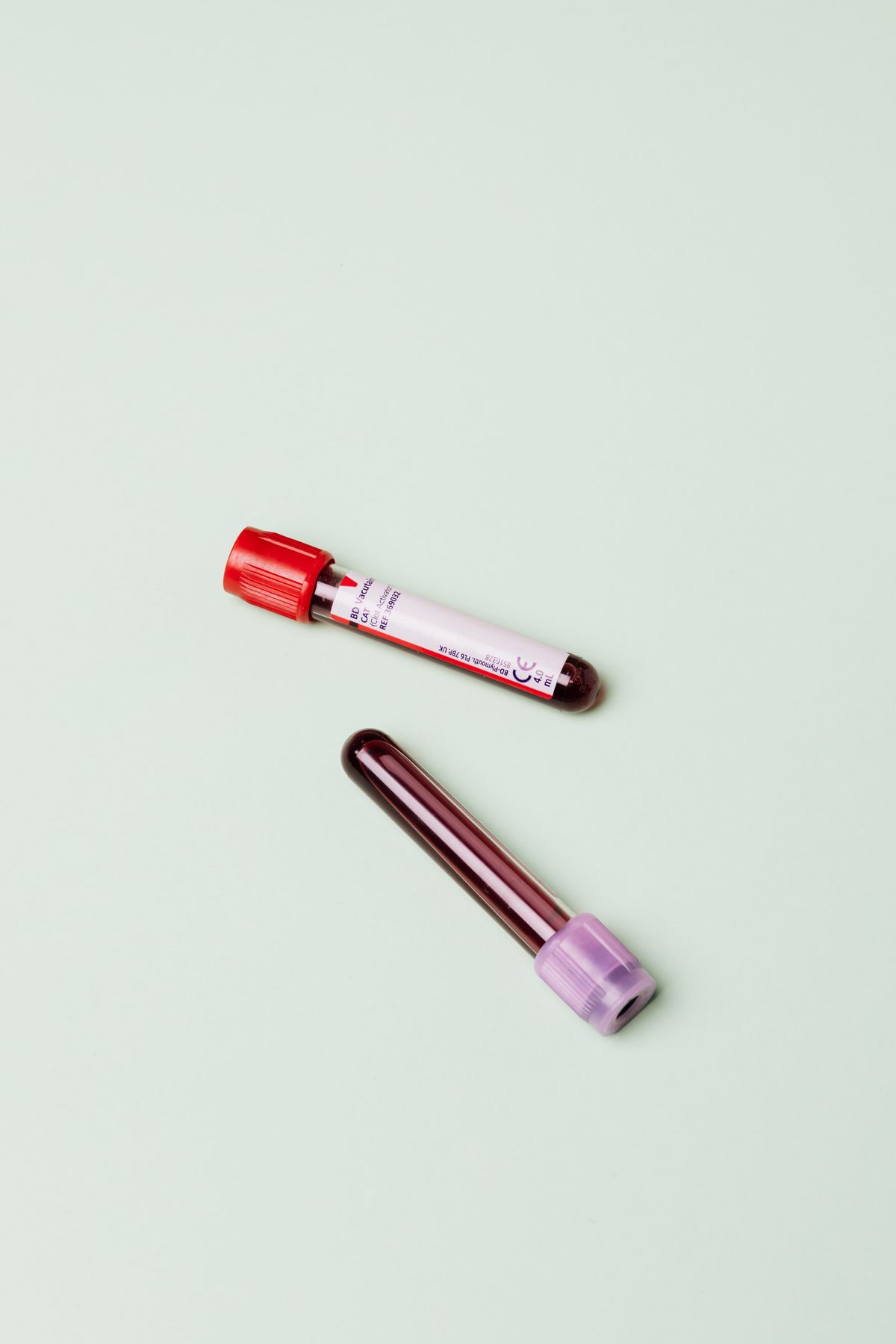 Thalassemia screening before having a baby: why the doctor wants dad's blood too, even though you're both healthy
 Folic acid: why doctors want you to take it "before" you know you're pregnant, and what to do if you started late
 Health checkup before having a baby: the tests OB-GYNs want you to do "before" you see two lines (some are for men too)
Questions parents ask
01I want a baby. What should I do to prepare before getting pregnant?
The main things are a preconception checkup for both of you, thalassemia screening, starting folic acid, checking your rubella vaccine, talking to your doctor about health conditions and medicines, quitting smoking and alcohol, looking after your weight, checking your Social Security benefits, and talking with your partner about work, money and sharing responsibilities.
02How many months before pregnancy should I start preparing?
About 3 months before you start trying is about right, because the NHS recommends starting folic acid about 3 months before pregnancy, and if you need the MMR vaccine, the CDC recommends avoiding pregnancy for at least 1 month after the shot.
03Do men need to prepare before having a baby?
Yes. At minimum, thalassemia screening to read together with the woman's results, tests for sexually transmitted infections, telling the doctor about health conditions and medicines, and quitting smoking and cutting down on alcohol together.
04How long should we try for a baby before seeing a doctor?
The NHS recommends seeing a doctor if you've been trying for a baby by having sex for 1 year or more and still aren't pregnant. But if you have a health condition, irregular periods, or are worried about your age, you can go sooner.
05How often should we have sex if we want a baby?
The NHS says women aged 39 or under who have sex without contraception every 2 to 3 days are likely to get pregnant within 1 year. You don't always have to time it exactly to ovulation.
06Do I need to stop my medicines before pregnancy?
Never stop medicine your doctor prescribed on your own. The NHS stresses talking to your doctor or specialist first, because with some conditions, stopping medicine and having symptoms flare up is more dangerous. Your doctor may switch you to a medicine that's safer during pregnancy.
07What free benefits are there when preparing for pregnancy?
The NHSO (Sor Por Sor Chor, Thailand's National Health Security Office) provides iron and folic acid supplement tablets for women of reproductive age. And once you're pregnant, Thai citizens under every scheme can get antenatal care under NHSO benefits, which include blood tests and thalassemia and syphilis screening for the husband too.
Can't find what you're looking for?
Ask us anything about family life in Thailand. No name needed. We read every question, and the ones parents ask most become new guides.
