Folic acid: why doctors want you to take it "before" you know you're pregnant, and what to do if you started late
Start folic acid at least 1 month before pregnancy (the NHS says about 3 months), as baby's neural tube forms in the first weeks, before many know they're pregnant. Started late? Begin now and tell your doctor.
Many of us first hear the word “folic” at our first antenatal visit, when the doctor hands over the tablets and says, “Actually, you should have started these before you got pregnant.” Your heart drops a little, right? Did you start too late?
Don’t panic. Let’s go through why doctors want you to start early, how much to take, for how long, and what you can do if you’ve started late.
Why take folic acid before you know you’re pregnant?
Quick Answer: Because your baby’s neural tube, which becomes the brain and spinal cord, forms in the first few weeks of pregnancy, when many people don’t yet know they’re pregnant. You need enough folic acid in your body “before” that window arrives.
The CDC explains that neural tube defects (NTDs) happen in the very earliest part of pregnancy, often before you even realize. Think about it: by the time your period is late, you’ve bought a pregnancy test and you’ve made it to the hospital, the baby has already been growing for several weeks.
Put simply, folic acid is about “getting things ready before the guests arrive.” If you wait until the guests are at the door before you run out to shop, you may miss the most important moment.
How many months before pregnancy should I take folic acid?
Quick Answer: The CDC recommends at least 1 month before pregnancy. The NHS recommends starting before you get pregnant, ideally about 3 months before, and continuing until you reach 12 weeks of pregnancy.
| Source | When to start | Take until |
|---|---|---|
| CDC (US) | At least 1 month before pregnancy | Continue through pregnancy |
| NHS (UK) | Before pregnancy, ideally about 3 months before | The end of the first 12 weeks of pregnancy |
| Thai Department of Health program (as summarized by the Faculty of Pharmacy, Mahidol University) | 1 to 3 months before pregnancy | You can keep taking it once pregnant, and add iodine too |
If it were us, the day you say to your partner “let’s start trying” is the day you start folic acid. You don’t have to wait until you’ve finished your checkup, because the earlier you start, the more time your body has to build up its stores.
And here’s the thing: the CDC recommends folic acid for every woman who could become pregnant, even if she isn’t seriously planning yet, because many pregnancies aren’t planned in advance.
How much folic acid should I take a day?
Quick Answer: The CDC recommends 400 micrograms (0.4 milligrams) a day for women who could become pregnant. In Thailand, the Department of Health promotes a supplement tablet with 60 milligrams of iron and 2.8 milligrams of folic acid, 1 tablet a week.
The numbers look different, right? That’s because they’re different ways of taking it.
- Daily: 400 micrograms a day, as the CDC recommends. Usually found in prenatal multivitamins or single folic acid tablets.
- Weekly: under the Department of Health program, a combined iron and folic acid tablet taken once a week.
Which one to choose? We suggest asking a pharmacist or the doctor at your preconception checkup, especially if you already take other vitamins, so you don’t double up. And don’t increase the dose on your own thinking more is better.
Who needs a higher dose of folic acid than most people?
Quick Answer: People who have had a pregnancy affected by a neural tube defect. The CDC says 4,000 micrograms a day is recommended, starting 1 month before pregnancy through the first 3 months, under a doctor’s care. Some people with health conditions or who take certain medicines may also need a different dose.
The NHS also notes that some women who are pregnant or planning a pregnancy “need a higher dose than others,” but who exactly needs to be assessed by a doctor person by person.
Ask your doctor about this if any of these apply to you:
- You’ve had a pregnancy where the baby had a neural tube defect, or someone in your family has one
- You have a health condition such as diabetes or epilepsy
- You take regular medicine (the NHS stresses: don’t stop medicine your doctor prescribed on your own, talk to your doctor first)
I know I’m pregnant but haven’t taken folic acid. What now?
Quick Answer: Start today. Don’t wait for your antenatal appointment. Then tell your doctor at your first visit that you’ve just started, and your doctor will take care of the rest as usual.
This happens a lot: unplanned pregnancies, or planned ones where you forgot. Please don’t blame yourself. Here’s what you can do right now:
- Start folic acid today. You can buy it at a pharmacy. Tell the pharmacist you’re in early pregnancy.
- Book your antenatal care soon, within the first trimester. Read the steps in Your first antenatal visit: how many weeks?
- Tell your doctor honestly when you started. Your doctor will care for you and monitor your baby at each stage of pregnancy anyway.
- Keep taking it at least until 12 weeks, as the NHS recommends, or as your doctor tells you.
Can I eat leafy greens instead of folic acid tablets?
Quick Answer: Leafy greens, beans and oranges have natural folate and you should eat them anyway. But the CDC states that folic acid from supplement tablets and fortified foods is the form research has found helps prevent neural tube defects, so take the tablets alongside.
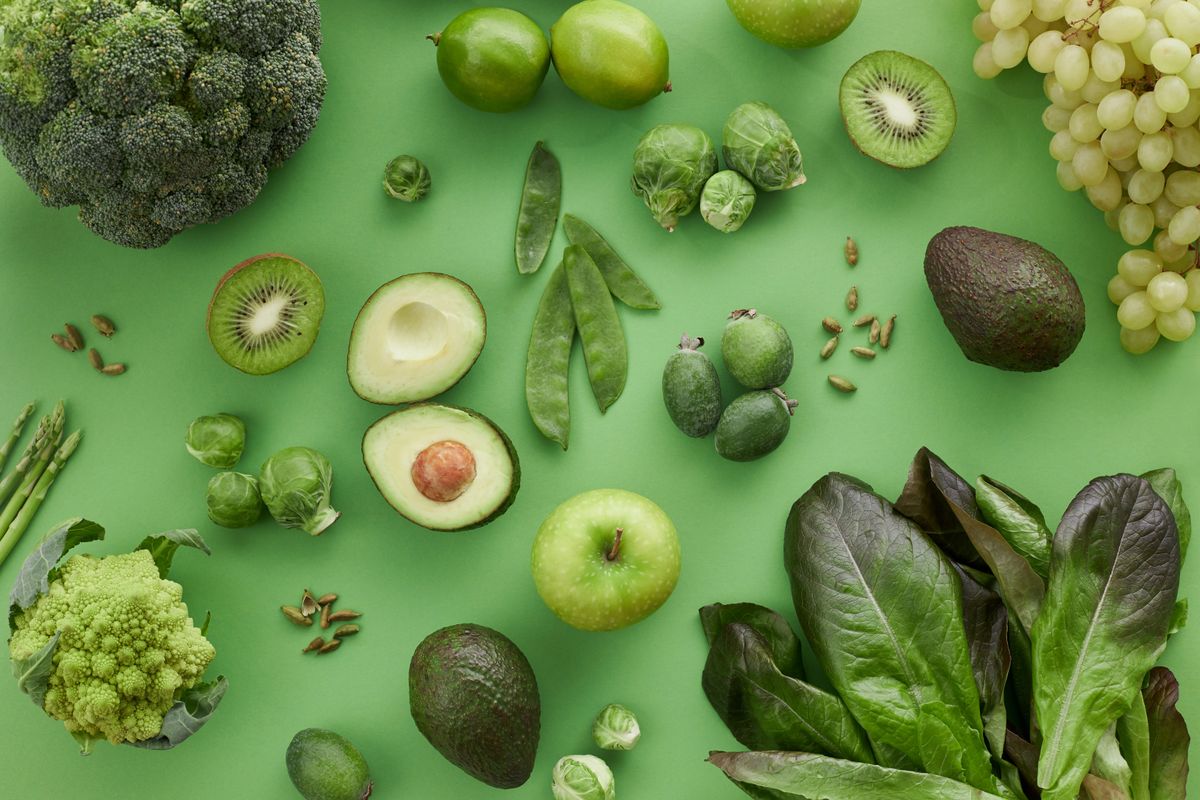
Thai kitchens have loads of leafy greens: spinach, Chinese kale (kana), broccoli, morning glory, all kinds of beans, and oranges. They fit easily into everyday meals like stir-fried mixed vegetables, clear soup (tom jued) or kaeng liang vegetable soup. Easy to make and good for the whole family.
But think of the vegetables as the “foundation” and the folic acid tablet as the “insurance.” It’s hard to estimate how much folate you get from food. Some meals have plenty of veggies, and some days you’re so busy you barely eat any.
If you want to prepare in other ways too, see the whole picture in Getting ready for a baby: a guide for Thai moms and the tests to do in Health checkup before having a baby.
Can I get folic acid for free, or do I have to buy it?
Quick Answer: NHSO benefits cover iron and folic acid supplement tablets for women of reproductive age. Ask at your local health promoting hospital (Ror Por Sor Tor) or a government hospital under your coverage, or buy it yourself at a pharmacy and talk to the pharmacist.
In the Department of Health’s 2023 (B.E. 2566) campaign, giving iron and folic acid supplement tablets to women of reproductive age was mentioned as part of the NHSO benefits package. But what’s actually handed out may differ between facilities. Just go and ask, no need to be shy. Simply say, “I’m planning to have a baby and would like iron and folic acid supplements.”
If you buy it yourself at a pharmacy, ask the pharmacist to check the label for how much folic acid is in each tablet, and whether you can take it with the other vitamins you have.
Talk to your doctor before you start if…
Quick Answer: If you’ve had a baby with a neural tube defect, have a health condition, take regular medicine, or already know you’re pregnant, talk to your doctor or pharmacist to set the right dose.
- You’ve had a pregnancy where the baby had a neural tube defect, or there’s a family history
- You have diabetes, epilepsy or another chronic condition and take regular medicine
- You already take several vitamins or supplements and worry about doubling up
- You know you’re pregnant and haven’t started antenatal care yet (book it soon)
- You have vaginal bleeding or severe tummy pain in early pregnancy: go to the hospital right away. Read more in Light spotting in early pregnancy
One small tablet a day (or one a week) is one of the easiest things you can do for your baby before you’ve even met. Starting today is still better than starting tomorrow.
Questions parents ask
01How many months before pregnancy should I take folic acid?
The CDC recommends starting at least 1 month before pregnancy. The NHS recommends starting before you get pregnant, ideally about 3 months before, and continuing until you reach 12 weeks of pregnancy.
02How much folic acid should I take a day?
The CDC recommends 400 micrograms a day for women who could become pregnant. The Thai Department of Health program uses an iron and folic acid supplement tablet with 2.8 milligrams, 1 tablet a week. Ask your doctor or pharmacist what dose is right for you.
03I know I'm pregnant but haven't taken any folic acid. What should I do?
Start taking it the moment you find out. Don't wait for your antenatal appointment. Then tell your doctor at your first visit that you've only just started. Your doctor will care for you and monitor as usual. Please don't blame yourself.
04Can I eat lots of leafy greens instead of folic acid tablets?
Leafy greens, beans and oranges have natural folate. They help and you should eat them anyway. But the CDC states that folic acid from supplement tablets or folic acid fortified foods is the form research shows helps prevent neural tube defects, so it recommends taking the tablets alongside.
05Who needs a higher dose of folic acid than usual?
For example, people who have had a pregnancy affected by a neural tube defect, for whom the CDC says 4,000 micrograms a day is recommended as prescribed by a doctor. Also some people with health conditions or who take certain medicines. A doctor needs to set the dose. Don't increase it on your own.
06Where can I get folic acid for free?
NHSO (Sor Por Sor Chor, Thailand's National Health Security Office) benefits cover iron and folic acid supplement tablets for women of reproductive age. Ask at your local health promoting hospital (Ror Por Sor Tor) or a government hospital under your coverage, or buy it at a pharmacy and talk to the pharmacist.
Can't find what you're looking for?
Ask us anything about family life in Thailand. No name needed. We read every question, and the ones parents ask most become new guides.