Light bleeding in early pregnancy doesn't always mean miscarriage, but look at these 3 things together
Spotting in the first trimester affects about 15 to 25% of moms, and many go on normally. Check 3 things: how much blood, any pain with it, and whether the doctor has confirmed it's in the uterus.
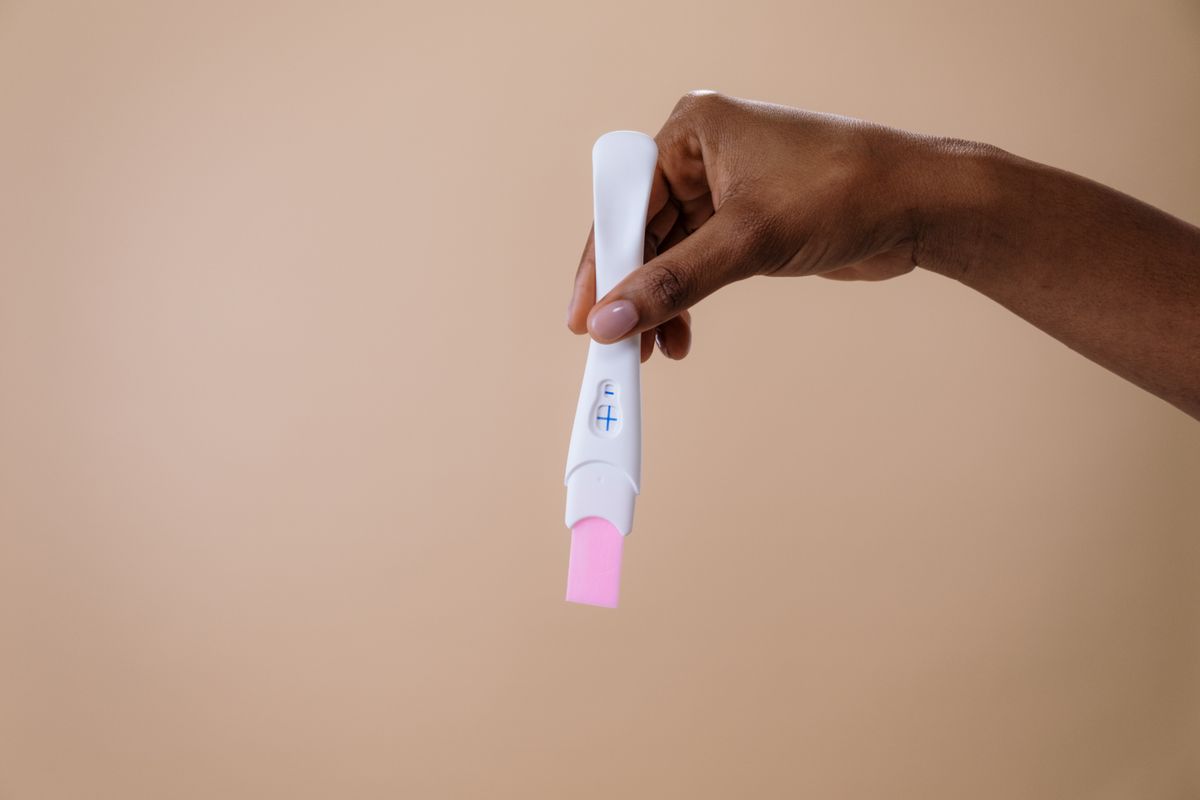
You go to the bathroom and see pink or brown on your underwear, just a few weeks after finding out you’re pregnant. Your heart drops to your feet, right? The first word that flashes into your head is usually “miscarriage.”
Take a deep breath first. Bleeding in early pregnancy is more common than you’d think, and many moms go on with their pregnancy normally. We’ll walk you through what to look at alongside it, and which situations mean going to hospital right away.
How common is bleeding in early pregnancy?
Quick Answer: About 15 to 25% of moms have bleeding or spotting in the first 12 weeks, so bleeding doesn’t always mean miscarriage.
First, let’s be clear about these two terms:
- Spotting is seeing spots of pink, red or brown blood on your underwear or toilet paper, not enough to wet a panty liner
- Bleeding is enough that you need a panty liner or pad
Causes in the first trimester include both harmless ones and ones that need prompt care:
| Usually not dangerous (but tell your doctor) | Needs a doctor to check urgently |
|---|---|
| Bleeding from the embryo implanting | Miscarriage or threatened miscarriage |
| A more sensitive cervix from hormones, bleeding after sex or an internal exam | Ectopic pregnancy |
| A small blood clot beside the pregnancy sac (subchorionic hematoma), which the doctor will follow up | Molar pregnancy |
| Some infections, such as vaginal or urinary tract infections, which can be treated |
Sometimes the doctor can’t find a clear cause, but the pregnancy carries on just fine.
Thing 1: how much are you bleeding?
Quick Answer: For small spots of blood that don’t fill a pad, call the hospital for advice. But if you’re bleeding so much you soak a pad in a short time, go to the emergency room straight away.
In the meantime, try keeping notes like this. It helps the doctor a lot:
- Use pads, not tampons, so you can see the real amount
- Note the color (pink, bright red, brown), the amount and when it started
- Watch for clots or tissue coming out. If there are any and you can keep them, take them to show the doctor
Brown blood is usually old blood that was left behind, while bright red blood that keeps increasing is a sign that’s more urgent.
Thing 2: are there any other symptoms with it?
Quick Answer: Light bleeding without any pain is usually less worrying. But if you have severe abdominal pain, one-sided lower abdominal pain, shoulder pain or feel faint, you need to go to hospital right away.
Check whether any of these come with the bleeding:
- Mild abdominal pain like period cramps, which can happen with a threatened miscarriage. Have a doctor check you
- One-sided lower abdominal pain, with bleeding or watery brown discharge
- Pain at the tip of your shoulder for no reason
- Pain when you pee or poop
- Feeling faint, dizzy, looking pale, or fainting
The last three can be linked to ectopic pregnancy, which usually shows symptoms between weeks 4 and 12. Sudden, severe abdominal pain with faintness may mean a ruptured fallopian tube, an emergency that needs urgent surgery.
Thing 3: has the doctor confirmed the pregnancy is in the uterus?
Quick Answer: If you’ve had an ultrasound that showed the pregnancy is in the uterus, the baby has a heartbeat, and the bleeding is light, the chance of a normal pregnancy is much higher. If you haven’t been checked at all yet, that’s all the more reason to see a doctor soon.
Information from the Faculty of Medicine Siriraj Hospital explains that threatened miscarriage (bleeding in the first 20 weeks while the cervix is still closed) happens in about 20 to 25% of pregnant women. About half of this group go on with the pregnancy, and if the pregnancy is found to be in the uterus, the baby is alive and the bleeding is light, there’s a high chance of the pregnancy continuing normally.
Once you get there, the doctor will usually check roughly this:
- Ask about your history: the first day of your last period, what the bleeding is like, any pain
- Physical exam, and possibly an internal exam to see whether the cervix is open
- Transvaginal ultrasound to see where the pregnancy is and check baby’s heartbeat. Very early on it may not be clear yet, so the doctor may book you in to look again
- Blood test for the pregnancy hormone (hCG). Sometimes it needs repeating to see the trend
If you haven’t started antenatal care yet, take this chance to start. See how to prepare in First antenatal visit: at how many weeks?
Go to the emergency room right away if…
Quick Answer: Heavy bleeding, severe abdominal pain, shoulder pain or feeling faint. Don’t wait to call and ask, go to the nearest emergency room or call 1669 (Thailand’s emergency medical number).
- Bleeding so heavy it soaks a pad soon after you change it
- Severe abdominal pain, or cramping that comes and goes and keeps getting stronger
- Pain at the tip of your shoulder
- Feeling faint, dizzy, very nauseous, looking pale, or losing consciousness
- A fever with the bleeding
Call the hospital where you get antenatal care that same day if… you have any spotting, even just a little, whether or not there’s pain. Don’t wait until your appointment.
How to look after yourself while you wait to see the doctor, or after you’ve been checked
Quick Answer: Rest more, avoid strenuous exercise and sex while you’re still bleeding, keep an eye on how much blood there is, and take your supplements as your doctor prescribed.
- Avoid lifting heavy things. Hand heavy housework over to someone at home for now
- Don’t take any medicine on your own, including herbal remedies or tonics recommended by older relatives. Ask a doctor or pharmacist first
- If you’re in pain and want to know which painkillers you can take, read Can you take paracetamol when pregnant? and confirm with your doctor
- Go to every appointment, even if the bleeding has stopped
If it does end in miscarriage, is it my fault?
Quick Answer: No. About half to two-thirds of first-trimester miscarriages are linked to abnormal chromosomes in the embryo, which mom can’t control. Working normally, suitable exercise or having sex don’t cause miscarriage.
Some older relatives may say, out of worry, “it’s because you wouldn’t rest” or “it’s because you ate cold things.” Please know that comments like that don’t match medical fact. If your heart still feels heavy, you can always tell your doctor or nurse that you’d like to talk about it.
If you want the big picture across the whole pregnancy of what’s normal and what to tell your doctor fast, go on to The trimester-by-trimester pregnancy guide.
Your heart racing when you see blood is a normal part of being a mom. Right now, the best thing you can do is observe carefully, then pick up the phone and call the hospital, and let the doctor look at it with you.
Questions parents ask
01Is a little bleeding in early pregnancy dangerous?
Not always. Bleeding in the first trimester is common, and many moms go on to have a normal pregnancy. But call the hospital where you get antenatal care every time, so the doctor can decide whether you need more tests.
02What is implantation bleeding?
It's light bleeding around the time the embryo implants in the wall of the uterus, usually very early in pregnancy. Some women mistake it for a light period. If you're not sure what kind of bleeding it is, talk to a doctor.
03What kind of bleeding means going to the emergency room?
Bleeding so heavy it soaks a pad in a short time, severe abdominal pain, one-sided lower abdominal pain with shoulder pain, feeling faint, or a fever. Go to the emergency room right away.
04What is a threatened miscarriage?
It's vaginal bleeding in the first 20 weeks while the cervix is still closed. About half go on with the pregnancy, especially if the ultrasound shows the pregnancy is in the uterus, the baby has a heartbeat, and the bleeding is light.
05Is bleeding after sex during pregnancy abnormal?
During pregnancy the cervix has a bigger blood supply and is more sensitive, so you may get light bleeding after sex or after an internal exam. But tell your doctor every time so other causes can be ruled out.
06If I bleed in early pregnancy, do I just need bed rest?
Doctors usually advise resting more, avoiding strenuous exercise and sex while you're bleeding, and keeping an eye on how much blood there is. But rest doesn't replace getting checked. Always have a doctor assess you first.
Can't find what you're looking for?
Ask us anything about family life in Thailand. No name needed. We read every question, and the ones parents ask most become new guides.