Your first antenatal visit: how many weeks, what to bring, and questions to write down for the doctor
Book your first antenatal visit as soon as you know you're pregnant, by 12 weeks at the latest. What to bring, the blood tests and ultrasound, Thailand's 8 free NHSO visits, and questions.
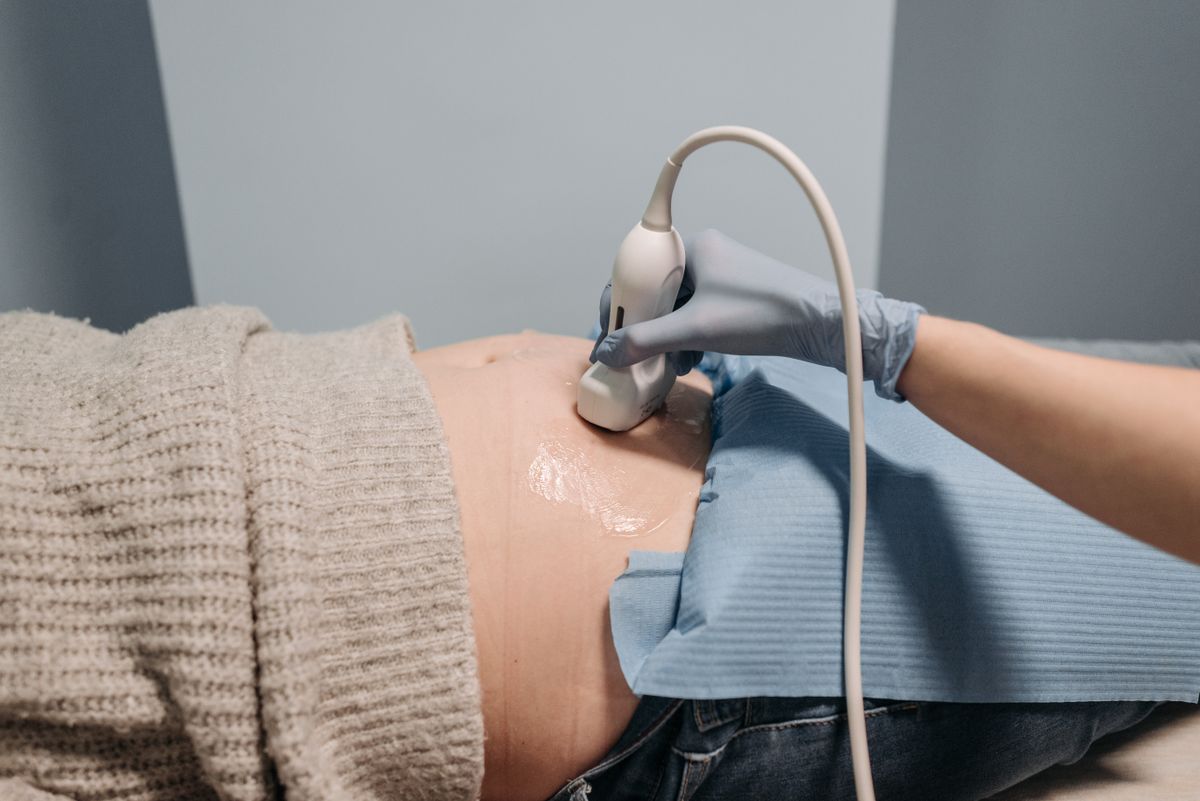
Two clear lines on the test. Your heart is pounding, you’re happy and confused at the same time, and the first question that follows is “When do I go for antenatal care, where, and what do I bring?” Some elders may tell you to “wait until you’re three months along before you go.” That’s exactly where we’d like to gently suggest a rethink.
We’ll go through what you need to know before your first antenatal visit, one point at a time. You can tick off the checklist above, or print it and take it with you.
1. How many weeks pregnant should I be for my first visit?
Quick Answer: Go as soon as you know you’re pregnant, and no later than 12 weeks. There’s no need to wait for three months.
Both the Royal Thai College of Obstetricians and Gynaecologists and the World Health Organization recommend having your first antenatal visit in the first trimester, for these reasons:
- Dating the pregnancy is most accurate with an early ultrasound, and this affects all your appointments and your due date.
- Screening happens in time, for conditions such as thalassemia, syphilis, hepatitis B and HIV. Finding them early means better planning for your baby’s care.
- You get prenatal supplements early, such as folic acid, iron and iodine, which matter for your baby’s development from the start.
- You have someone to ask if you have severe morning sickness or bleeding.
As for “waiting three months before telling anyone,” that’s completely understandable. Tell people whenever you like. But don’t wait to see a doctor.
2. Where should I go, and what coverage can I use?
Quick Answer: You can go to either a public or a private hospital. Thai citizens under every health coverage scheme are entitled to 8 quality antenatal visits by stage of pregnancy through the NHSO (สปสช.). Check participating providers in the Pao Tang app or on the 1330 hotline.
| Option | Strengths | Good to know |
|---|---|---|
| Public hospital / sub-district health promoting hospital (รพ.สต.) under your coverage | You can use your coverage, low cost | Queues can be long, go early |
| Public hospital special after-hours clinic | You can choose your doctor, shorter waits | Extra cost |
| Private hospital | Convenient appointments, fast service | Usually a package, ask clearly what’s included |
According to the NHSO (news from August 2026), many health promotion and prevention services cover Thai citizens under every health coverage scheme, and pregnant women are entitled to 8 quality antenatal visits by stage of pregnancy, including lab tests, ultrasound, Down syndrome screening, vaccines and supplements. Coverage details and participating providers may change, so check again in the Pao Tang app (เป๋าตัง) or on the NHSO hotline 1330 before you go.
One more tip: if you already have an idea where you’ll give birth, have your antenatal care at the same place from the start. Your records stay in one place, and you won’t have to deal with moving documents later.
3. What do I need to bring?
Quick Answer: Your ID card, the first day of your last period, and your own health history. For the rest, see the checklist above.
These are things the doctor will definitely ask, so have your answers ready:
- The first day of your last period. If you can’t remember, check your period-tracking app or old chats.
- Chronic conditions, such as high blood pressure, diabetes, thyroid problems or asthma
- Medicines and vitamins you take, including herbal remedies and supplements
- Drug allergies
- Previous pregnancies, including births, miscarriages or surgery
- Genetic conditions in the family, on both the mother’s and the father’s side
Dress comfortably and wear a top with sleeves that roll up easily, because you’ll have blood drawn. And set aside the whole day, especially if you’re going to a public hospital.
4. What happens when I get there?
Quick Answer: History taking, weight, blood pressure, blood tests and a urine test. Most people get an ultrasound, and you go home with an antenatal record book and prenatal supplements.
Following the Royal Thai College of Obstetricians and Gynaecologists guideline, on day one you’ll go through roughly this:
- A detailed history, covering your health, previous pregnancies and safety at home
- A physical exam: weight, height, BMI and blood pressure
- Blood tests, including:
- Hemoglobin level (to check for anemia)
- Screening for thalassemia carrier status, which is common in Thai people
- ABO and Rh blood group
- Syphilis, hepatitis B and HIV
- A urine test
- An ultrasound to check how far along you are, where the pregnancy is, and the baby’s heartbeat (if the pregnancy is far enough along to see it)
- A talk about Down syndrome screening: which kind and when
- Prenatal supplements, such as iron, folic acid and iodine. Take the doses your doctor prescribes.
Most mothers are given an antenatal record book to take home (at many places it’s the familiar pink book). This book is very important. Bring it to every appointment, and when you go in to give birth.
5. Why does the doctor want the father to come too?
Quick Answer: It’s not required, but if the mother’s thalassemia screening is abnormal, the doctor usually needs to test the father’s blood too, to assess whether the baby is at risk of the disease. Going together saves time.
It’s not just about blood results. Having the father there also means someone to take notes, help ask questions, and see the baby on the ultrasound screen with you. If he really can’t come, don’t worry. Ask the hospital whether he can come for testing later.
6. How many more antenatal visits will I have?
Quick Answer: The World Health Organization recommends at least 8 visits during pregnancy, but your doctor may schedule more depending on your individual risk.
A rough schedule based on WHO recommendations:
| Visit | Approximate weeks of pregnancy |
|---|---|
| 1 | Within 12 weeks |
| 2 | 20 weeks |
| 3 | 26 weeks |
| 4 | 30 weeks |
| 5 | 34 weeks |
| 6 | 36 weeks |
| 7 | 38 weeks |
| 8 | 40 weeks |
Many hospitals in Thailand follow this pattern or schedule visits more often, for example once a month early on, then more frequently as you get close to the birth. Go to every appointment, even if you feel fine, because several conditions, such as preeclampsia, start with rising blood pressure and no symptoms (read more: Preeclampsia warning signs)
7. What if something seems wrong before my next appointment?
Quick Answer: Don’t wait for your appointment. If you have any of the symptoms below, go to the hospital or call the antenatal clinic right away.
Go to the hospital now if…
- You have vaginal bleeding, especially if it’s heavy or comes with abdominal pain (read Bleeding in early pregnancy: what else to look for)
- You have severe abdominal pain, or pain on one side of the lower abdomen
- You feel faint or like you’re about to pass out
- You’re vomiting so much you can’t keep water down for 24 hours, or you’re passing little, dark urine (read Severe morning sickness: when to go to hospital)
- You have a high fever
Get the phone number for the antenatal clinic or the labor ward on your first day, and save it in both your phone and the father’s.
For an overview of what to expect over the whole 9 months, read Pregnancy guide, trimester by trimester
Your first antenatal visit can be both exciting and tiring with all the waiting. But this is the first step in officially taking care of your baby. We hope you hear only good news that day.
Checklist (tick and print)
Tick away, this device will remember.
Documents and things to bring
Information to write down before you go
Questions to write down for the doctor
Questions parents ask
01How many weeks pregnant should I be for my first antenatal visit?
Go as soon as you know you're pregnant, and no later than 12 weeks. Several checks, such as dating the pregnancy by ultrasound and screening for some conditions, work best when done early.
02What do I need to prepare for my first antenatal visit?
Your ID card, the first day of your last period, any chronic conditions, the medicines and vitamins you're taking, drug allergies, previous pregnancies, and genetic conditions in the family. If the father can come too, have him bring his ID card.
03What is checked at the first antenatal visit?
Your history is taken, and you're weighed, measured for height and checked for blood pressure. Blood tests check hemoglobin level, blood group, thalassemia, syphilis, hepatitis B and HIV. There's a urine test, and usually an ultrasound to check how far along you are and where the pregnancy is located.
04Can I get antenatal care for free? Which coverage do I use?
The NHSO (National Health Security Office, สปสช.) states that many health promotion and prevention services cover Thai citizens under every health coverage scheme, including 8 quality antenatal visits by stage of pregnancy. Check participating providers in the Pao Tang app or call 1330. Private hospitals usually charge by package.
05How many antenatal visits do I need?
The World Health Organization recommends at least 8: the first within 12 weeks, then at about 20, 26, 30, 34, 36, 38 and 40 weeks. Your doctor may schedule more depending on your individual risk.
06Does my husband need to come to the antenatal visit?
It's not required, but it's very helpful if he can. If some of the mother's screening results, such as thalassemia, come back abnormal, the doctor usually wants to test the father's blood to assess the baby's risk. Call the hospital first to ask how they handle this.
07Do I need to fast before my first antenatal visit?
It varies by hospital. Most don't require it, but some may schedule blood tests that need fasting. Ask when you book your appointment.
Can't find what you're looking for?
Ask us anything about family life in Thailand. No name needed. We read every question, and the ones parents ask most become new guides.
Sources
- Royal Thai College of Obstetricians and Gynaecologists: clinical practice guideline, Prenatal Care
- WHO: New guidelines on antenatal care for a positive pregnancy experience
- The Coverage: NHSO reaffirms maternal health rights cover women under every scheme (12 Aug 2026)
- Praram 9 Hospital: your first antenatal visit with confidence