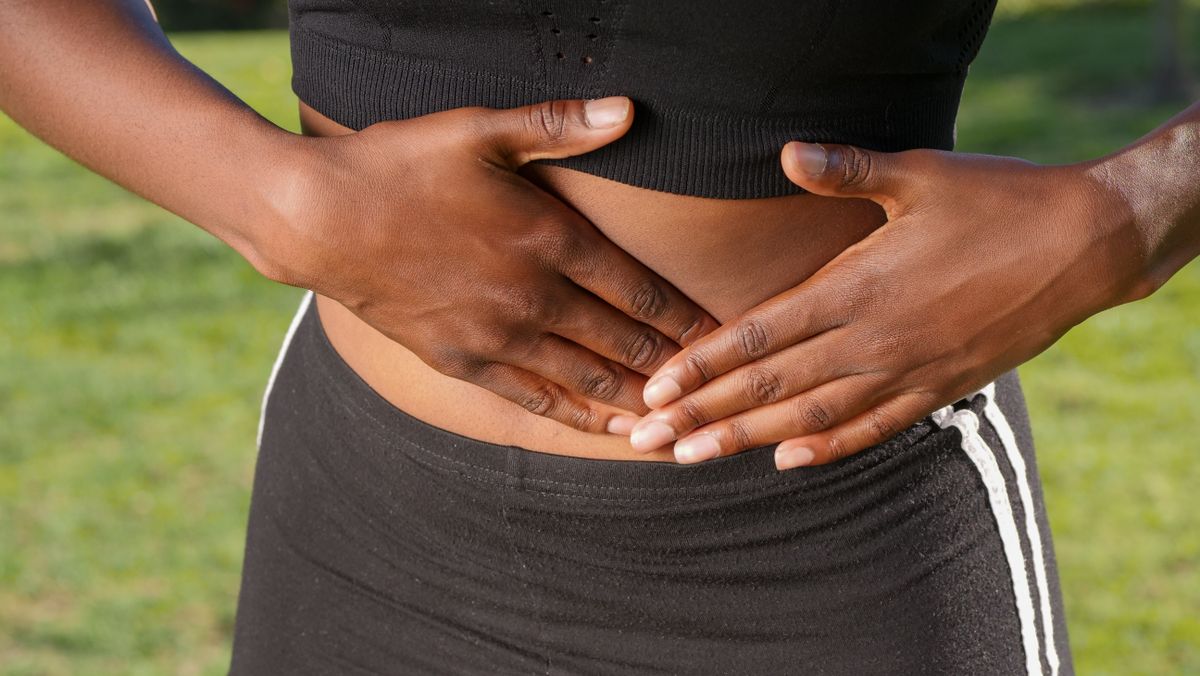
Morning sickness so bad you can't keep water down: is it still normal? The line that means go to hospital today
Morning sickness is normal in the first trimester, but if you can't keep fluids or food down for 24 hours, pee little and dark, or feel faint, go to hospital today. It may be severe but treatable.
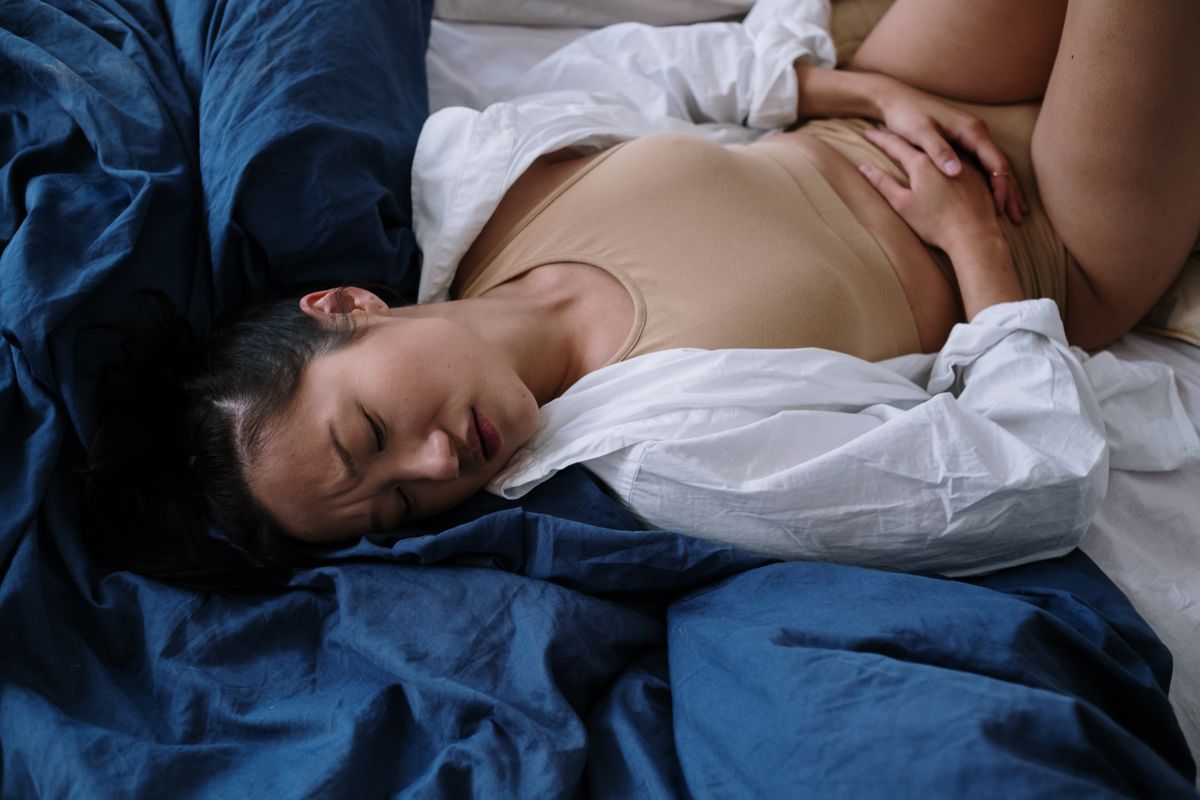
You wake up queasy, the smell of hot steamed rice sends you running to the bathroom, and some days even a sip of plain water comes straight back up. The elders at home reassure you: “Everyone gets morning sickness, it’ll pass.” And that’s true, for most women it does. But if it’s so bad that you can’t even keep water down, “just put up with it” may no longer be the right answer.
Let’s draw a clear line between morning sickness you can manage at home, and the kind where you should go to hospital today, without waiting for your next prenatal appointment.
How bad can morning sickness be and still count as normal?
Quick Answer: If you can still eat and drink a bit, you’re peeing normally, and you can still get through your day, then even vomiting several times a day is still within ordinary morning sickness.
Morning sickness usually starts before 9 weeks of pregnancy, is worst in the first trimester, and mostly gets better at around weeks 16 to 20. The English name is “morning sickness,” but in reality it can happen at any time of day, not just in the morning.
The somewhat reassuring news is that ordinary morning sickness does not increase the risk to your baby, even though you may feel awful.
Some moms are more likely to get morning sickness, for example:
- You get car sick or seasick easily, or have migraines
- You had bad sickness in a previous pregnancy
- You are carrying twins
How is severe pregnancy sickness (HG) different from ordinary morning sickness?
Quick Answer: Severe pregnancy sickness, or hyperemesis gravidarum (HG), is nausea and vomiting so severe and prolonged that your body becomes dehydrated, or you lose more than 5% of your pre-pregnancy weight. It needs treatment, not just endurance.
| Ordinary morning sickness | Severe pregnancy sickness (HG) |
|---|---|
| Nausea, vomiting on and off | Vomiting so often you can’t keep fluids or food down |
| Can still drink some, still peeing | Peeing little, dark pee, very thirsty |
| Tired but can still mostly work | Very weak, feeling faint when you stand up |
| Not much weight loss | Clear weight loss |
| Usually better around 16 to 20 weeks | May last longer, for some until close to the birth |
Women more likely to get HG include those who have had HG before, those with a family history of it, and those carrying a girl.
That last point is why some elders comment, “Sickness this bad means it’s definitely a girl.” It’s true only in a statistical sense, and it can’t be used to predict your baby’s sex. Moms carrying boys can have bad sickness too.
Go to hospital today if you have any of these
Quick Answer: If you are vomiting along with any one of the symptoms below, don’t wait for your appointment. Go to the emergency room or the hospital’s prenatal department right away.
- You can’t keep any fluids or food down for 24 hours
- Your pee is very dark, or you haven’t peed in over 8 hours
- You feel very weak, dizzy, lightheaded or faint when you stand up
- Heart palpitations, a racing heart
- Abdominal pain
- A fever
- Vomiting blood
- Your weight keeps dropping
If you also have vaginal bleeding, read Bleeding in early pregnancy: what else to look at
Don’t worry that you’ll be “wasting the doctor’s time.” With dehydration in pregnancy, the medical team would much rather see you early than wait until it gets serious.
What will the doctor do at the hospital?
Quick Answer: The doctor will assess how dehydrated you are and give you anti-sickness medicine that is safe to use in pregnancy. If you can’t keep anything down, you may get IV fluids, and some women need to stay in hospital for a while.
When you get there, it usually goes something like this:
- They take your history, weigh you, check your blood pressure and pulse, and may do a urine or blood test
- Anti-nausea medicine: there are several that are used in pregnancy, and some women need to try more than one before finding one that works
- IV fluids, if you are dehydrated or can’t keep oral medicine down
- Injections instead of tablets, if you are vomiting so much that tablets won’t stay down
With treatment, severe pregnancy sickness is unlikely to harm your baby. What you need to watch out for is letting weight loss and dehydration go on for a long time without treatment, as this may lead to a low birth weight.
How to look after yourself at home so you can eat enough
Quick Answer: Eat small amounts often, focus on dry, bland foods, sip fluids a little at a time, rest as much as you can, and avoid smells that trigger your symptoms.
Things many moms have tried that helped:
- Small, frequent meals of bland, starchy, low-fat food, such as crispbread, crackers, khao tom (rice soup), plain jok (rice porridge), or plain steamed rice without heavy dishes
- Cold food instead of hot, if the smell of hot food makes you queasy
- Sip fluids little and often, which can lower the chance of vomiting, better than drinking a whole glass at once
- Rest, because tiredness makes nausea worse
- Ginger, such as mild ginger drinks, has some evidence that it helps reduce nausea, although it is not high-quality evidence
- Avoid fried, greasy and strongly flavored food while your symptoms are bad. Fiery som tam may need to wait for now (if you want to know whether you can eat it, read Can you eat som tam while pregnant?)
- Open the windows to clear smells, and ask others at home to help with cooking or avoid stir-frying strong-smelling food for now
And don’t do these just yet:
- Buy anti-sickness medicine or any other medicine and take it yourself. Always ask a doctor or pharmacist first
- Stop drinking because you’re afraid of vomiting. It only makes you dehydrated faster
- Force yourself to eat things you can’t manage because you “have to eat for the baby.” In the first trimester your baby is still very small, so focus first on keeping yourself from getting dehydrated
What if severe sickness means you can’t take your prenatal vitamins?
Quick Answer: Tell your doctor or nurse at your prenatal appointment. Don’t quietly stop on your own. The doctor may adjust when you take them or change the form of the vitamins.
Taking prenatal vitamins when you are very sick can make the queasiness worse, and this is very common. If that is happening to you, ask your doctor or pharmacist whether you can change when you take them or switch to a different one, but don’t change or stop them yourself. If you haven’t started prenatal care yet, also read Your first prenatal visit: at how many weeks, and what to prepare
Your mind gets as tired as your body, and you can ask for help
Quick Answer: Severe morning sickness wears out both body and mind. Feeling discouraged or crying often does not mean you are weak. You can always tell your doctor and the people around you.
If you work, you can ask for a medical certificate so you can take time off. If there are people at home who can help, hand over the cooking and housework to them for now. You don’t have to be good at everything during this time.
For an overview of what to expect in each trimester, read The pregnancy guide, trimester by trimester
Severe morning sickness is not something you have to endure alone. Whenever your body starts telling you it can’t cope, go to hospital. That isn’t giving up. It is the best way to look after your baby at that moment.
Questions parents ask
01How bad does morning sickness have to be before I go to hospital?
If you can't keep any fluids or food down for 24 hours, your pee is very dark or you haven't peed in over 8 hours, you feel dizzy or faint when you stand up, or you have abdominal pain, a fever, vomit blood or are losing weight, see a doctor that same day.
02At how many months does morning sickness go away?
For most women it gets better at around 16 to 20 weeks of pregnancy. But moms with severe pregnancy sickness may have symptoms for longer, some right up until close to the birth, and should be under a doctor's care.
03Can severe morning sickness harm my baby?
Ordinary morning sickness does not increase the risk to your baby. Severe pregnancy sickness, if treated, is unlikely to affect your baby either. But if dehydration and major weight loss go on for a long time without treatment, it may lead to a low birth weight.
04Can I take anti-sickness medicine for severe morning sickness?
There are anti-nausea medicines that doctors use in pregnancy, but a doctor or pharmacist should choose the medicine and the dose for you. Don't buy medicine and take it yourself.
05Does bad morning sickness mean I'm having a girl?
You can't predict your baby's sex from morning sickness. Although some data sources have found that carrying a girl is one of the risk factors for severe pregnancy sickness, moms carrying boys can have it badly too, and some moms carrying girls have no sickness at all.
06Does ginger really help with morning sickness?
There is some evidence that ginger may help reduce nausea, but it is not high-quality evidence. You can try it in normal food amounts. If your symptoms are so bad you can't keep water down, ginger is not the answer, and you need to see a doctor.
Can't find what you're looking for?
Ask us anything about family life in Thailand. No name needed. We read every question, and the ones parents ask most become new guides.