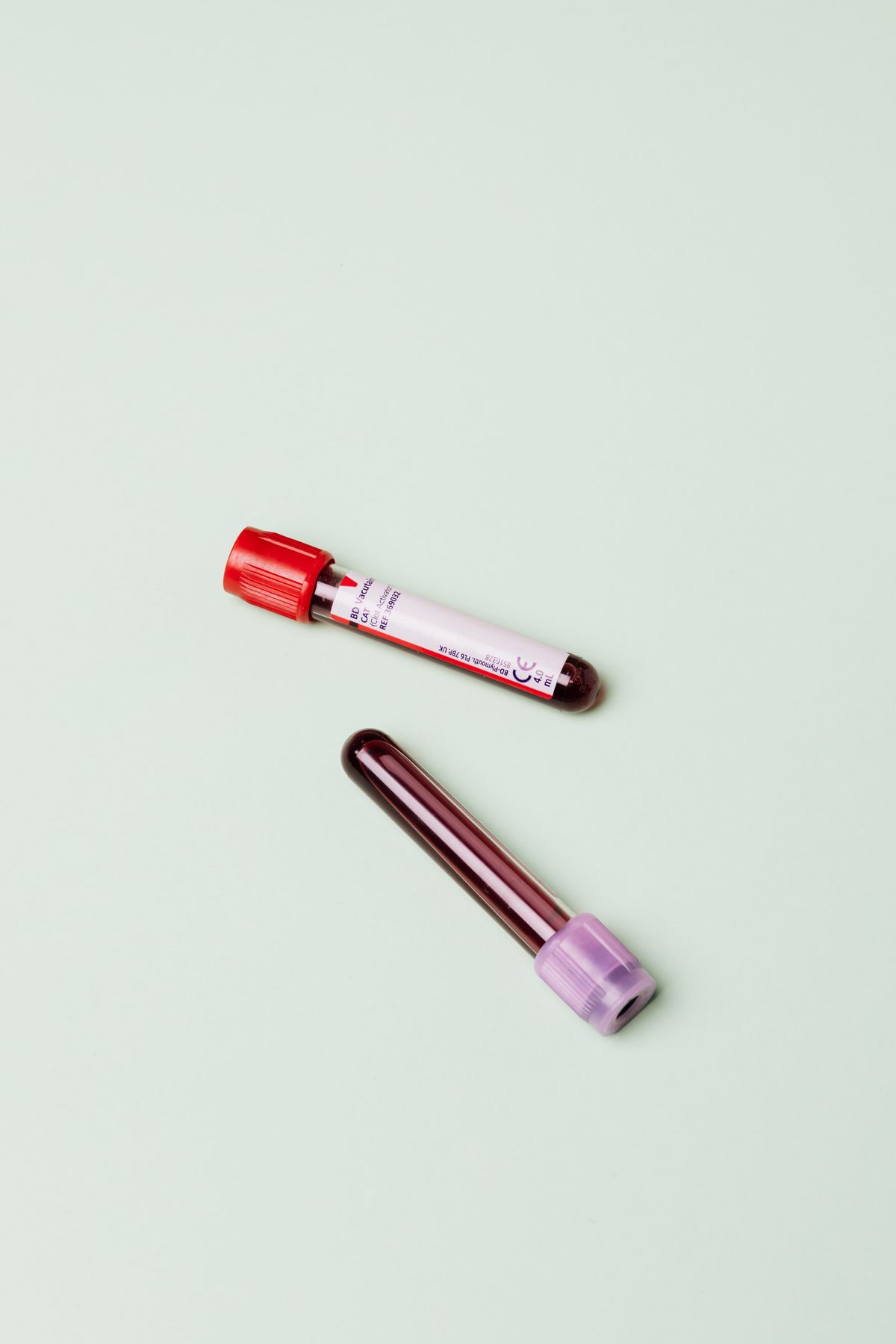
Health checkup before having a baby: the tests OB-GYNs want you to do "before" you see two lines (some are for men too)
A preconception checkup covers health and medicine history, blood count and thalassemia, blood group, syphilis, HIV, hepatitis B, rubella immunity, blood pressure, sugar and cervical screening. Some are for him too.
You’ve decided to have a baby. The next thing many of us wonder is, “Do I need to get checked for anything first?” Then you look at the premarital checkup packages at hospitals and find a list as long as your arm, full of abbreviations you can’t make sense of.
You don’t need to memorize every abbreviation. We’ll go through each item: what it’s for, which ones men need too, and how far ahead you should go. There’s also a checklist you can tick off and take to the hospital.
What health checks do I need before having a baby?
Quick Answer: There are 8 main groups: your health and medicine history, blood count and thalassemia, blood group, infections that can pass to your baby, rubella immunity, blood pressure with blood sugar and weight, cervical cancer screening, and starting folic acid.
| Item | What it’s for | Does the man need it too? |
|---|---|---|
| Health and medicine history | Adjusting medicines so they’re safe before pregnancy | He should share his too |
| CBC and thalassemia | Checking for anemia and finding couples at risk of a blood disorder in their baby | Yes, he must be tested |
| ABO and Rh blood group | Planning care during pregnancy and birth | Not always needed, ask your doctor |
| Syphilis, HIV, hepatitis B | Infections that can pass to your baby and can be treated or prevented | He should be tested |
| Rubella immunity | If you’re not immune, get vaccinated before pregnancy | No |
| Blood pressure, blood sugar, weight | Finding conditions to get under control before pregnancy | Good for both of your health |
| Cervical cancer | If you’re due for screening, it’s easier to do before pregnancy | No |
1. Health history and medicines you take
Quick Answer: Tell your doctor about every condition you have and every medicine you take, including herbal remedies and supplements. And don’t stop medicine your doctor prescribed before talking to your doctor.
The NHS recommends talking to a doctor before trying for a baby if you or your partner has a long-term condition such as epilepsy, diabetes or HIV, and telling them about every medicine, whether prescribed, bought over the counter, or herbal. The NHS stresses: don’t stop prescribed medicine until you’ve talked to your doctor or specialist first.
This one doesn’t need a blood test at all, but it’s one of the most important. Make a list of your medicines on your phone before you go, or just take photos of the medicine packets to show the doctor.
2. Blood count and thalassemia carrier screening (both of you)
Quick Answer: A CBC checks for anemia, and thalassemia carrier screening uses MCV/MCH, OF and DCIP. Both husband and wife need to be tested, because your baby’s risk depends on both of your results.
The Department of Medical Sciences states that as many as 18 to 24 million Thai people carry thalassemia, and most are perfectly healthy and have no idea. The screening is an ordinary blood test. If the result is abnormal, you then have a confirmation test.
Why men need to be tested too, and what to do if you turn out to be an at-risk couple, is explained in detail in Thalassemia screening before having a baby: why the doctor wants dad’s blood too.
3. ABO and Rh blood group
Quick Answer: Knowing your blood group ahead of time helps your medical team plan your care during pregnancy and birth, especially if you’re Rh negative.
ABO and Rh blood group are already in the NHSO antenatal test package. If you’ve never known your blood group, there’s no harm in checking now. If you turn out to be Rh negative, tell your doctor at every antenatal visit, and they’ll plan special care for you.
4. Syphilis, HIV and hepatitis B (both of you should be tested)
Quick Answer: All three can pass to your baby, but they can be treated or the transmission prevented if found early. So both of you should be tested before you start trying.
The NHS recommends getting tested for sexually transmitted infections if you think you or your partner might be at risk. In Thailand, the NHSO antenatal package tests every mom for syphilis, HIV and hepatitis B, and also tests the husband or partner of a pregnant woman for syphilis.
This doesn’t mean anyone has been unfaithful. It’s a standard test done for everyone, like checking your tire pressure before a long drive.
5. Rubella immunity
Quick Answer: If you’re not immune to rubella, get the MMR vaccine before pregnancy. The CDC then recommends avoiding pregnancy for at least 4 weeks (1 month) after the shot.
Rubella during pregnancy is dangerous for the baby. The CDC recommends checking that your vaccines are up to date before pregnancy, and a blood test can confirm immunity. If you’re not sure you got all your shots as a child, look for your old vaccine book at home, or tell your doctor you’d like an immunity test.
This is exactly why you should get checked several months ahead: if you need a shot, you’ll have time for the waiting period. The vaccines you should get during pregnancy are a different set. Read about them in Vaccines in pregnancy: which shots to get while pregnant.
6. Blood pressure, blood sugar and weight
Quick Answer: Check your blood pressure, blood sugar and weight. The NHS says being underweight or overweight makes it harder to get pregnant, and being overweight during pregnancy raises the risk of high blood pressure, preeclampsia and gestational diabetes.
If you find high blood pressure or high blood sugar before pregnancy, count yourself lucky. You have time to get it under control first, which is much better than finding it several months into a pregnancy.
There’s no need to crash diet either. Slowly adjusting your food and moving more, as your doctor advises, is enough.
7. Cervical cancer screening (if you’re due)
Quick Answer: The NHS recommends checking whether you’re due for cervical screening. If you are, it’s easier to do it before pregnancy.
If it’s been so long since your last screening that you can’t remember, take this chance to ask your doctor at the same visit.
8. Start folic acid now, no need to wait for results
Quick Answer: The CDC recommends 400 micrograms of folic acid a day, starting at least 1 month before pregnancy, to help prevent neural tube defects in your baby.
You can do this one starting today, without waiting for your appointment. The dose, where to get it for free, and what to do if you started late are in Folic acid: why doctors want you to take it before you know you’re pregnant
Where should I go for a preconception checkup, and how many months ahead?
Quick Answer: You can go to a government hospital, private hospital or OB-GYN clinic. We suggest going about 3 months before you start trying, to leave time for vaccines and to start folic acid.
| Where | Pros | Good to know |
|---|---|---|
| Government hospital | Usually cheaper, and some items may be covered | Long queues, so ask ahead which clinic handles it |
| Private hospital | All-in-one packages, easy to book | Prices vary a lot, so ask to see the list before you pay |
| OB-GYN clinic | You can talk to an OB-GYN directly | Some tests may need to go to an outside lab |
A little tip when choosing a package: check it against the table above to see if it has everything, rather than looking at how many items it lists. Some packages have lots of items but no thalassemia test, or nothing for the man.
As for benefits, the clearest coverage starts once you’re pregnant. The NHSO antenatal package covers almost every blood test above, and since January 1, 2022 it also screens the husband for thalassemia and syphilis. For checks before pregnancy, ask the hospital under your coverage what’s included. For Social Security (Sor Por Sor) birth benefits, check the conditions ahead of time in How many months of Social Security contributions do you need to claim birth costs?
See a doctor sooner if…
Quick Answer: If you have a health condition, take regular medicine, have had a miscarriage or problems in a past pregnancy, have very irregular periods, or have been trying for 1 year without getting pregnant, book a doctor without waiting.
- You have a health condition such as diabetes, high blood pressure, epilepsy, thyroid disease or heart disease
- You take regular medicine (don’t stop it on your own, talk to your doctor first)
- You’ve had a miscarriage, a premature birth, or a baby with a birth defect
- Someone in your family has thalassemia or another genetic condition
- Your periods are very irregular, very painful, or you have abnormal bleeding
- The NHS recommends seeing a doctor if you’ve been trying for a baby for 1 year or more and still aren’t pregnant
- Go to the hospital right away if you have severe lower tummy pain, heavy vaginal bleeding, or feel faint
The full picture of getting ready, covering your body, money and mind, is in Getting ready for a baby: a guide for Thai moms.
One checkup gives you peace of mind and information to share with your doctor at your antenatal visits. Ask your partner to take half a day off and go together. Think of it as your first date as parents.
Checklist (tick and print)
Tick away, this device will remember.
For her
Take this to the hospital and ask. Not every item is needed for everyone. Your doctor will choose based on your history.
For him
Questions parents ask
01What health checks do I need before having a baby?
The main items are your health and medicine history, a complete blood count (CBC) and thalassemia screening, ABO and Rh blood group, syphilis, HIV, hepatitis B, rubella immunity, blood pressure, blood sugar, weight, and cervical cancer screening if you're due.
02Does the man need a health checkup before having a baby too?
Yes, he should. At minimum, thalassemia screening, because the results have to be read together with the woman's, and tests for sexually transmitted infections such as syphilis, HIV and hepatitis B. He should also tell the doctor about any health conditions and medicines he takes.
03How many months before pregnancy should I get checked?
About 3 months before you start trying is about right. If you need a rubella vaccine, the CDC recommends avoiding pregnancy for at least 1 month after the shot, and the NHS recommends starting folic acid about 3 months before pregnancy.
04Where can I get a preconception health checkup?
Government hospitals (gynecology, antenatal or family planning clinics), private hospitals that offer premarital or pre-pregnancy packages, and OB-GYN clinics. Prices and test lists vary a lot, so ask to see the list of tests before you pay.
05Can I use my Gold Card or Social Security for a preconception checkup?
The clearest benefits start once you're pregnant. The NHSO (Sor Por Sor Chor, Thailand's National Health Security Office) antenatal package covers many blood tests, and also thalassemia and syphilis screening for the husband. For checks before pregnancy, ask the hospital under your coverage which items are included.
06After the rubella vaccine, how long should I wait before getting pregnant?
The CDC recommends avoiding pregnancy for at least 4 weeks (1 month) after the MMR vaccine.
Can't find what you're looking for?
Ask us anything about family life in Thailand. No name needed. We read every question, and the ones parents ask most become new guides.
Sources
- NHS: Planning your pregnancy
- CDC: Vaccine Recommendations Before, During, and After Pregnancy
- Department of Medical Sciences: Laboratory testing guidelines to support thalassemia control and prevention (revised edition 2019)
- Bangkok Biz News: NHSO free antenatal care for all schemes, with screening for husbands
- March of Dimes: Planning your pregnancy