Vaccines in pregnancy: which shots pass protection on to your newborn
The main pregnancy vaccines are tetanus, diphtheria and whooping cough (Tdap), flu and RSV, which pass protection across the placenta to your newborn before baby can be vaccinated. Timing for each.
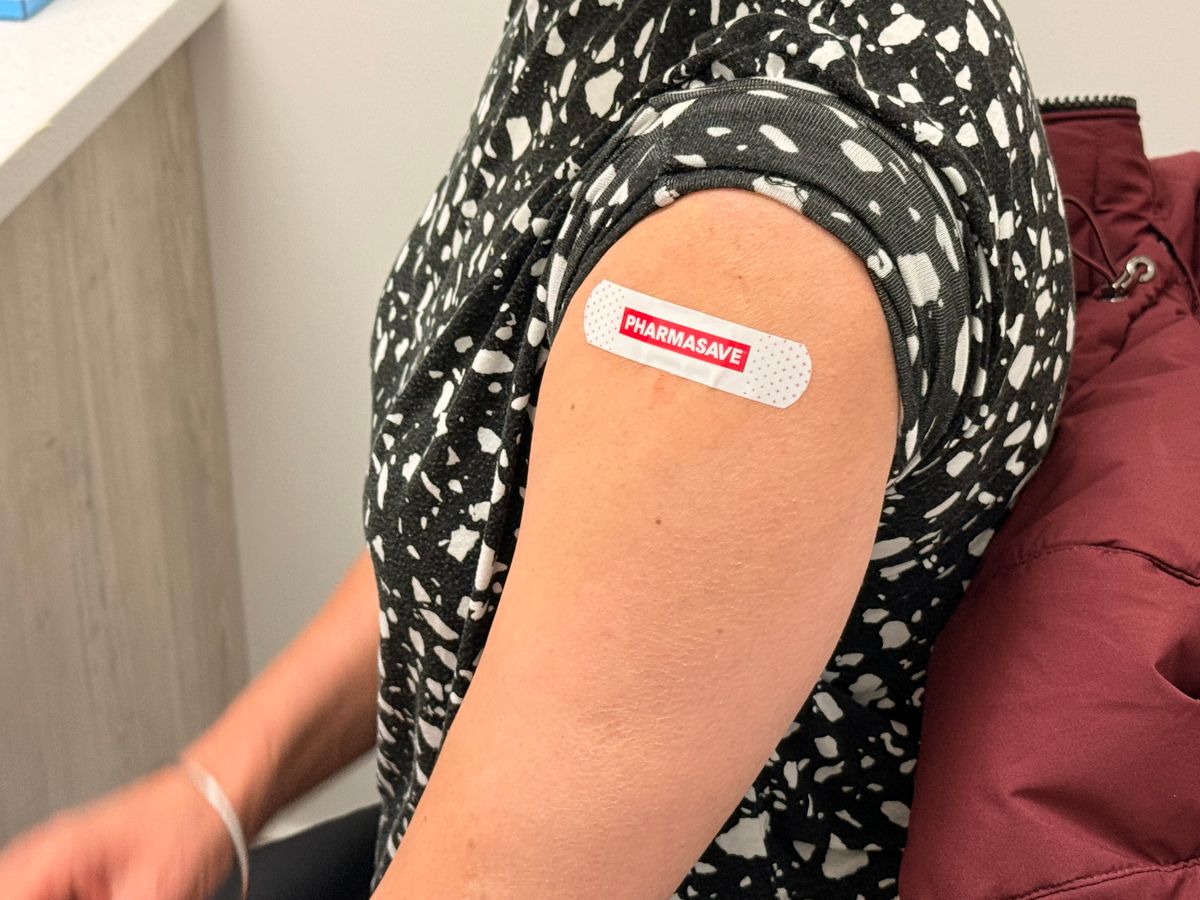
When it comes to vaccines in pregnancy, it’s natural for many moms to hesitate: “I’m pregnant. Will anything they inject affect my baby?” And when an older relative says, “In our day we didn’t need all these shots,” you hesitate even more.
But did you know that some of the vaccines mom gets in pregnancy aren’t just there to protect mom? The antibodies mom makes pass across the placenta to the baby, helping protect baby in the newborn period, when baby can’t be vaccinated yet or hasn’t had all their shots. Below, we’ve summarized point by point which shots there are, when to have them, and which ones you must not have.
Why does your baby benefit when you’re vaccinated in pregnancy?
Quick Answer: Because the antibodies mom makes after vaccination pass across the placenta to the baby, so baby is born with some protection, which helps in the first months when the risk is highest.
The Department of Obstetrics and Gynecology, Faculty of Medicine, Chiang Mai University, explains that newborns are at high risk of whooping cough in the first 3 months because they haven’t had all their vaccines yet. Vaccinating mom in pregnancy is a way to give baby protection before birth. And that’s exactly why timing matters so much: the shot has to be given early enough for mom’s antibodies to rise high in time for the birth.
1. Combined tetanus, diphtheria and whooping cough vaccine (Tdap): 27 to 36 weeks
Quick Answer: 1 shot at 27 to 36 weeks, in every pregnancy, to pass whooping cough protection to baby in the newborn period.
- Timing: both Golden Jubilee Medical Center, Mahidol University, and the Department of Obstetrics and Gynecology at Chiang Mai University recommend 27 to 36 weeks. The UK’s NHS offers it from 16 weeks and usually gives it at around 20 weeks. Just go with what your hospital schedules
- Every pregnancy: you need it again in each pregnancy, because antibodies decrease over time
- If your previous tetanus vaccinations are incomplete: your doctor may give you a series of tetanus vaccines and use Tdap for one of the shots at 27 to 36 weeks
- Family members: Chiang Mai University recommends that people who will be in close contact with the baby get Tdap at least 2 weeks before meeting the baby (called the cocooning strategy)
In prenatal care in Thailand, a tetanus vaccine is usually given anyway, but the shot that also includes whooping cough (Tdap) may need to be requested or paid for yourself, depending on the hospital and your coverage. Ask the nurse at the prenatal clinic directly, “Does this shot include whooping cough?” so you don’t miss it.
2. Flu vaccine: from the second trimester
Quick Answer: 1 shot per pregnancy. Golden Jubilee Medical Center recommends it from 14 weeks onward. It helps lower mom’s risk of pneumonia and passes protection to baby.
The NHS explains that pregnant women are more likely than others to have complications from flu, such as pneumonia. In Thailand, pregnant women are one of the at-risk groups that the government provides free flu vaccines to during its annual campaign, but the timing and number of vaccines change every year. Ask the hospital looking after your pregnancy or call the NHSO (สปสช.) on 1330.
3. COVID-19 vaccine: as your doctor advises
Quick Answer: It can be given during pregnancy. Golden Jubilee Medical Center recommends it from 12 weeks onward, to lower the risk of severe illness and preterm birth.
Whether you need a booster depends on what you’ve had before and the situation at the time. Talk to the doctor looking after your pregnancy about whether you should have it in this pregnancy.
4. RSV vaccine: a new option to protect baby from a respiratory virus
Quick Answer: This is a vaccine mom gets in pregnancy to protect baby from RSV in the first months after birth. In Thailand it’s available if you pay for it yourself. The recommended weeks differ slightly between sources, so ask your doctor.
- Vaccine name: Abrysvo (RSV vaccine for pregnant women)
- Timing: Golden Jubilee Medical Center, Mahidol University, gives 24 to 36 weeks, the US CDC recommends 32 to 36 weeks, and the NHS offers it at around the 28-week appointment
- Benefit: Mahidol University says it helps prevent severe infection in babies by up to about 80 percent in the first 90 days
- Cost: not yet covered for free, several thousand baht per shot, varying by hospital
- If you didn’t have it in pregnancy: there’s a ready-made antibody that can be given to baby after birth. The CDC says most babies only need one or the other, not both
If your budget allows and your doctor thinks it’s suitable, it’s another option worth considering.
Which vaccines must pregnant women not have?
Quick Answer: Live attenuated vaccines must not be given during pregnancy, such as measles, mumps and rubella (MMR), yellow fever and BCG.
The NHS explains that live vaccines have a theoretical possibility of infecting the baby, but also says there’s no evidence that they cause birth defects. If you had one before you realized you were pregnant, don’t panic. Just tell the doctor looking after your pregnancy.
If you’re planning another baby, it’s best to check your rubella immunity and complete your vaccinations before you get pregnant.
Call your doctor if…
Quick Answer: Most reactions after a shot are just pain and swelling where it was given, or a low fever for 1 to 2 days. But if you have a severe allergic reaction or a high fever that won’t come down, go to the hospital.
- Difficulty breathing, a swollen face or lips, or a rash all over your body after the shot (go to the emergency room immediately, call 1669, Thailand’s emergency medical number)
- A high fever lasting more than 1 to 2 days, or a very high fever (ask about fever medicine in Can you take paracetamol in pregnancy?)
- Your baby is moving less, whether or not it’s related to the vaccine (read Kick counting in your pink book)
- If you’re not sure what you’ve already had, bring your pink book (the Thai Mother and Child Health Handbook) to every appointment. Your vaccines are recorded in it
If you’re just starting prenatal care, read Your first prenatal visit, and for the big picture of all three trimesters, see Pregnancy guide, trimester by trimester
Vaccines in pregnancy are like the first gift a mom can send her baby, before you’ve even seen each other’s faces. You don’t have to decide alone. Write down your questions and talk them over with the doctor looking after your pregnancy at every appointment.
Checklist (tick and print)
Tick away, this device will remember.
Pregnancy vaccine checklist (ask your doctor at your prenatal appointments)
Weeks of pregnancy are based on the sources cited in this article. Each hospital may schedule them slightly differently.
Questions parents ask
01Which vaccines do pregnant women need?
The main vaccines are tetanus, diphtheria and whooping cough (Tdap), flu and COVID-19. The RSV vaccine is an additional option available in Thailand if you pay for it yourself. Talk to the doctor looking after your pregnancy to plan based on your vaccination history.
02At how many weeks should I get the whooping cough vaccine in pregnancy?
Guidance used in Thailand, such as from the Department of Obstetrics and Gynecology, Faculty of Medicine, Chiang Mai University, and Golden Jubilee Medical Center, Mahidol University, recommends 27 to 36 weeks, and getting it again in every pregnancy, even if you had it in a previous one.
03I had the whooping cough vaccine in my last pregnancy. Do I need it again this time?
Yes, you need it again, because the antibodies you build up decrease over time. Getting it in each pregnancy keeps your antibodies high enough to pass on to this baby.
04Can pregnant women get the flu vaccine for free?
Pregnant women are one of the at-risk groups that the Thai government provides free flu vaccines to during its annual campaign. The timing and number of vaccines change every year, so ask the hospital looking after your pregnancy or call the National Health Security Office (NHSO, สปสช.) hotline on 1330.
05When should I get the RSV vaccine in pregnancy, and how much does it cost?
Golden Jubilee Medical Center, Mahidol University, gives 24 to 36 weeks, while the US CDC recommends 32 to 36 weeks. In Thailand it's still a vaccine you pay for yourself, costing several thousand baht per shot and varying by hospital. Ask your doctor about the right timing for your pregnancy.
06Which vaccines must pregnant women not have?
Live attenuated vaccines, such as the combined measles, mumps and rubella vaccine (MMR), the yellow fever vaccine and BCG, should not be given during pregnancy. If you had one before you knew you were pregnant, tell your doctor. The NHS says there's no evidence that they cause birth defects.
07Can I have several vaccines at the same time during pregnancy?
In many cases they can be given on the same day, but it depends on the type of vaccine and your doctor's judgment. Ask the doctor looking after your pregnancy whether you should space them out.
Can't find what you're looking for?
Ask us anything about family life in Thailand. No name needed. We read every question, and the ones parents ask most become new guides.
Sources
- Department of Obstetrics and Gynecology, Faculty of Medicine, Chiang Mai University: Diphtheria, tetanus and pertussis vaccine in pregnant women
- Golden Jubilee Medical Center, Mahidol University: Vaccines pregnant moms should receive
- Golden Jubilee Medical Center, Mahidol University: Passing protection to your baby with the RSV vaccine
- NHS: Vaccinations in pregnancy
- CDC: Immunizations to Protect Infants (RSV)