What can't you eat when pregnant? Separating real medical advice from the rules elders pass down
Doctors really stress only a few groups: alcohol, raw or undercooked food, unpasteurized milk and cheese, high-mercury fish, and over 200 mg of caffeine a day. Many rules from elders are beliefs.
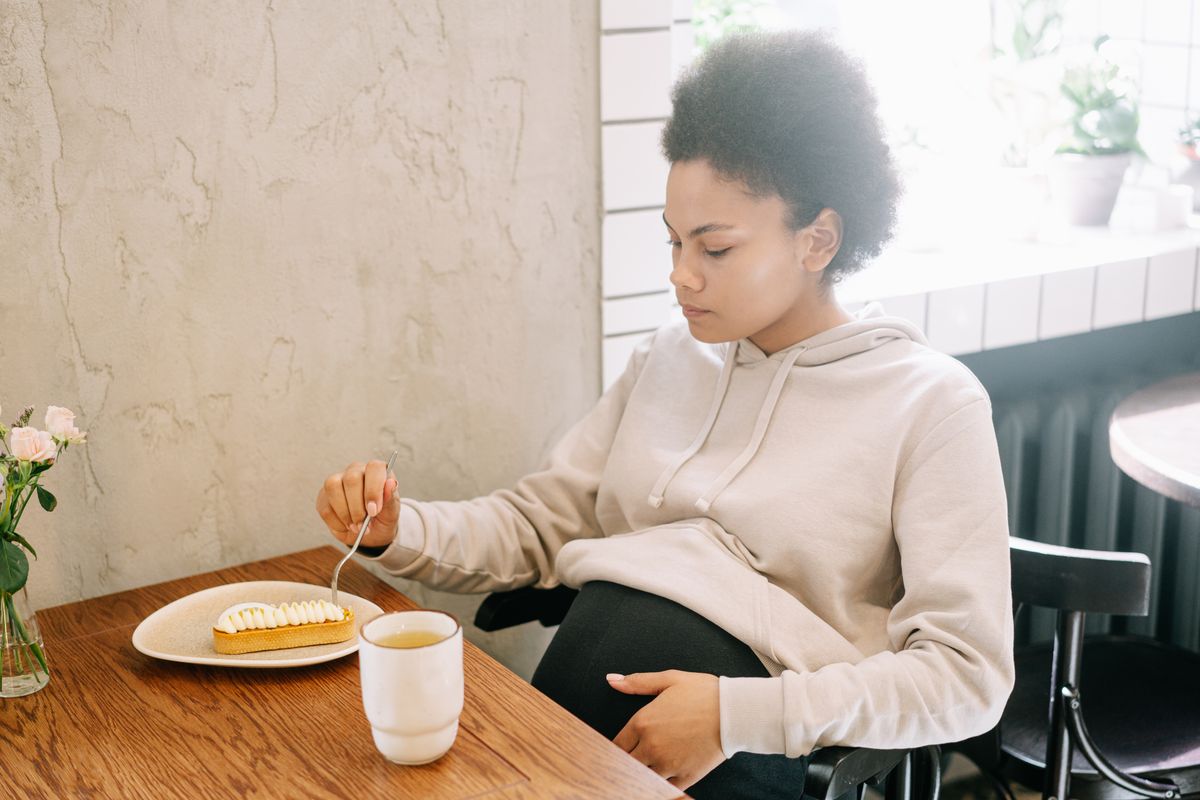
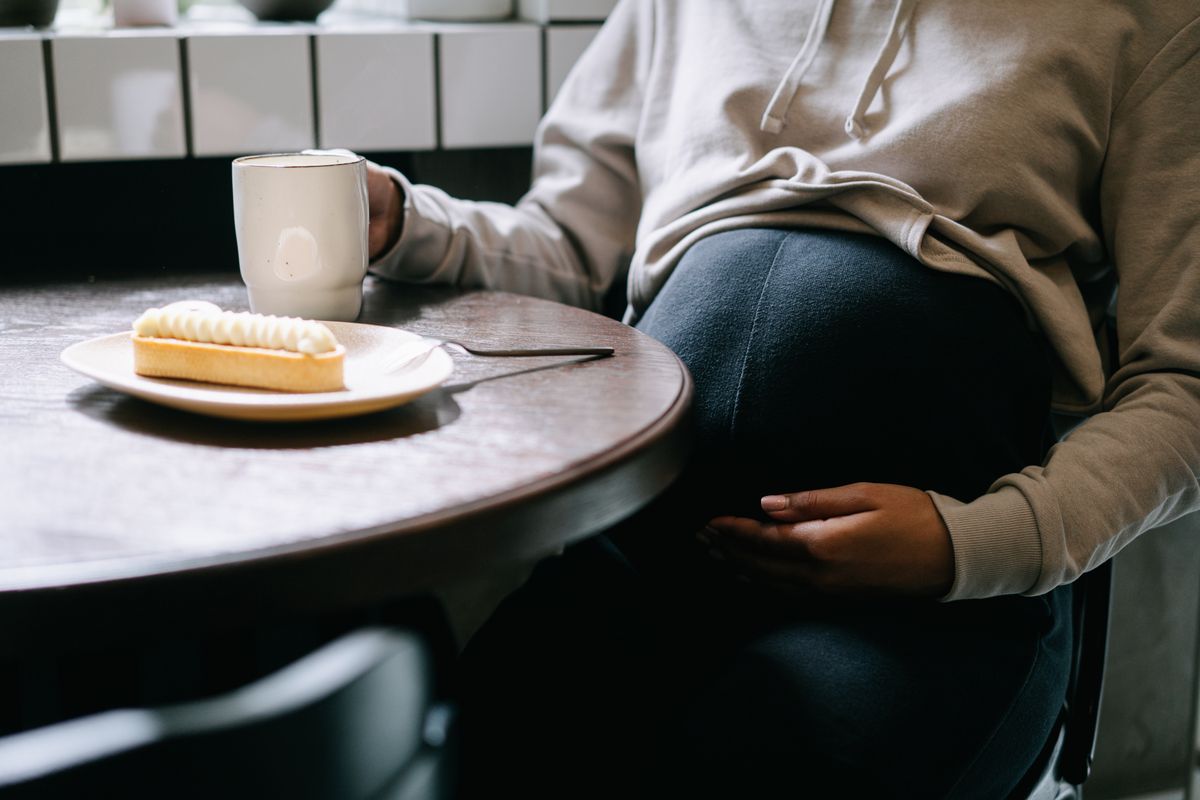
Once you find out you are pregnant, food warnings come at you from every direction. Don’t eat twin bananas, don’t eat cold things, don’t eat papaya, don’t eat spicy food, plus pages and pages of what you scroll past online. Some days you stand in front of the kitchen cupboard wondering what is even left to eat.
Let’s separate them clearly: which are medical rules with real reasons behind them, and which are beliefs that well-meaning elders have passed down. That way you can be careful about the right things, and eat with more peace of mind.
How many real medical food rules are there?
Quick Answer: Just a few groups: alcohol, raw or undercooked food, unpasteurized milk and cheese, high-mercury fish, large amounts of liver, and caffeine over the limit.
Put simply, almost every one comes down to the same thing: germs, parasites, or certain substances that affect the baby in the womb. Not “hot” and “cold” foods or superstition. Once you get this principle, it is much easier to decide for yourself when you come across a new dish.
1. Alcohol: why cut it out completely?
Quick Answer: Because no amount of alcohol has been proven safe during pregnancy, so the major sources recommend avoiding all kinds.
The NHS and Mayo Clinic agree that not drinking at all is safest. That includes beer, wine, white liquor (lao khao), herbal-infused liquor (ya dong) and food with alcohol poured on that hasn’t been heated for long. If you had a drink before you knew you were pregnant, don’t panic. Stop from today, and tell your doctor at your prenatal appointment.
2. Raw and undercooked food: what’s the danger?
Quick Answer: The risk of germs and parasites, especially listeria. The CDC says pregnant women are about 10 times more likely to get it than other people, and it can cause miscarriage, stillbirth, or serious illness in the newborn.
Thai dishes that fall into this group, best put on hold for now:
- Raw or undercooked meat: raw larb, larb with raw blood (larb lued), raw beef koi, moo kratha or shabu meat eaten while still pink
- Raw seafood: sashimi, fresh oysters, raw shrimp in fish sauce (goong chae nam pla), pickled crab salad (yam pu dong), raw crab marinated in fish sauce
- Raw or fermented freshwater fish that isn’t cooked: koi pla, raw pla som (fermented fish), pla ra (fermented fish sauce) that hasn’t been boiled. The Department of Disease Control warns that these dishes carry a risk of liver fluke, and that squeezing lime, adding chili or eating them with alcohol does not kill the parasites. They have to be cooked
- Undercooked eggs: soft-boiled eggs, jammy eggs, desserts or sauces made with raw egg
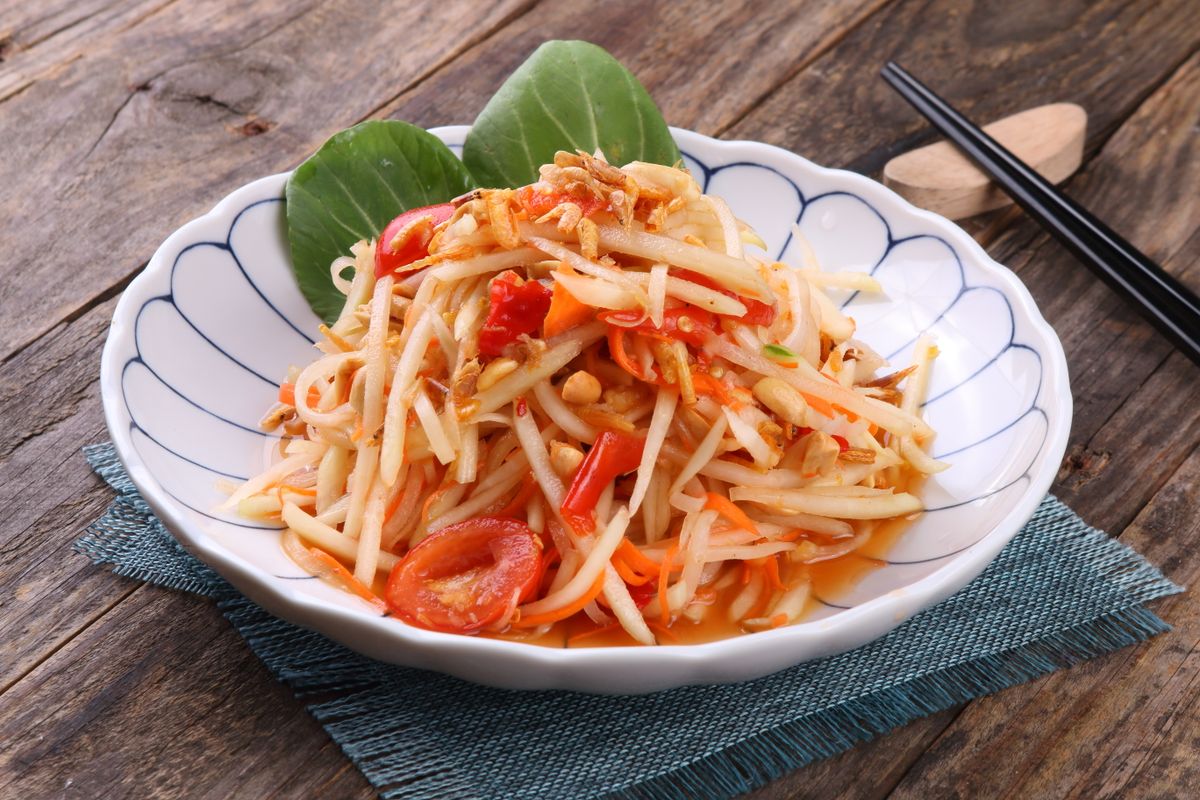
For som tam fans who love the version with crab and pla ra, we have written about it in detail in Can you eat som tam while pregnant?
3. Milk and cheese: what’s fine and what to avoid?
Quick Answer: Pasteurized milk, UHT milk and most hard cheeses are fine. Raw milk and unpasteurized soft cheeses should be avoided.
According to the NHS and CDC, soft cheeses with a white mold rind or made from raw milk, such as brie, camembert and blue cheese, may carry listeria. If you really want some, bake or cook it until it is piping hot all the way through first, because heat kills this germ. The boxed milk sold everywhere in Thailand has already been treated, so you can drink it without worry.
4. Can you eat fish? Which fish should you avoid?
Quick Answer: Cooked fish is a good source of protein and fine to eat, but avoid large sea fish that are high in mercury, and limit tuna.
Mayo Clinic gives examples of high-mercury fish such as shark, swordfish and some species of king mackerel. The NHS recommends limiting canned tuna and oily sea fish each week. Everyday fish like short mackerel (pla tu), tilapia (pla nil) and snakehead fish (pla chon), cooked through, are still good choices for pregnant women.
5. Can you eat liver?
Quick Answer: Some, but not in large amounts or often, because liver is very high in vitamin A.
The NHS recommends avoiding liver and liver products such as liver pâté, because high amounts of vitamin A may harm the baby. But nutrition advice in Thailand often mentions liver as a source of iron. The middle ground is to eat it occasionally, in moderate amounts, and cooked through. If you also take a vitamin supplement, ask your doctor how much vitamin A it contains.
6. Coffee, tea, Thai tea: do you have to quit?
Quick Answer: You don’t have to quit completely, but keep your total caffeine for the day to no more than 200 milligrams, which includes green tea, Thai tea, cola and chocolate.
Fair warning: a single coffee from a café might already use up half your daily allowance. How to count it in detail is in Can you drink coffee while pregnant?
Rules from elders: which are true and which are beliefs?
Quick Answer: Most are beliefs with no medical evidence, but some have a hidden reason worth understanding before you dismiss them.
| What elders say | The facts |
|---|---|
| Eat a twin banana and you’ll have twins | Not true. A twin pregnancy is determined at conception |
| Drink cold water and the baby will be big and the birth hard | No evidence. Cold water is fine, just watch out for unclean ice |
| Eat spicy food and the baby will have thin hair, or something will go wrong | No evidence, but very spicy food can cause heartburn or diarrhea |
| Don’t eat papaya | Ripe papaya is fine. Green papaya comes with details worth knowing (read the som tam article) |
| Don’t eat pickled or fermented food | Partly true. Fermented food that hasn’t been heated may carry germs or parasites, and is usually very salty |
If the elders at home are worried, try explaining the germ side of things instead of arguing that they are wrong. It usually makes the conversation much easier, because deep down they just want you and their grandchild to be safe.
What if you’ve already eaten something by mistake?
Quick Answer: Most of the time nothing happens, so there is no need to panic. But watch for symptoms over the following days to weeks, and tell your doctor at your next appointment.
Go to hospital right away if…
- You have a fever, chills or flu-like aches after eating raw food or soft cheese
- You are vomiting or have diarrhea so badly that you cannot keep water down, and you are peeing less
- You have severe abdominal pain, or vaginal bleeding
- Your baby is clearly moving less (once you have started to feel movements)
If you have had severe nausea and vomiting since the first trimester, to the point where you cannot eat anything, it may not be food poisoning. Read more in How bad does morning sickness have to be before you see a doctor?, and for an overview of looking after yourself at each stage, see our pregnancy guide, trimester by trimester.
The easy-to-remember summary
Cooked, clean, pasteurized, no alcohol, and count your caffeine. Remember just that, and you have covered almost all the medical food rules. For everything else, eat a good variety and enjoy every meal.
Checklist (tick and print)
Tick away, this device will remember.
Avoid until the birth
The groups medical sources agree on
OK to eat, but watch the amount
Questions parents ask
01Which foods should pregnant women avoid, according to medical advice?
The main groups are alcohol, raw or undercooked food (meat, eggs, fish, shellfish, crab), unpasteurized milk and cheese, high-mercury fish such as shark and some kinds of king mackerel, and large amounts of liver. Caffeine is not banned, but should be kept to no more than 200 milligrams a day.
02Can I eat sushi and sashimi while pregnant?
Major sources such as the NHS, CDC and Mayo Clinic advise avoiding raw fish and shellfish during pregnancy because of the risk of germs and parasites. If you want sushi, choose cooked toppings, such as sweet egg, grilled eel or boiled shrimp, which are safer.
03If I eat a twin banana while pregnant, will I have twins?
No. A twin pregnancy is determined at conception and has nothing to do with what you eat while pregnant. Bananas are a fruit you can eat as normal.
04Can I have cold drinks and ice while pregnant?
Yes. There is no evidence that cold water or ice makes the baby big or the birth difficult. What to watch out for is whether the ice is clean, and very sugary drinks.
05Can I eat soft-boiled or jammy eggs while pregnant?
Eat eggs with both the yolk and the white fully cooked, because undercooked eggs carry a risk of salmonella, which causes food poisoning. Hard-boiled eggs, Thai omelets and fully cooked fried eggs are all fine.
06Can I eat cheese while pregnant?
Most hard cheeses and cheeses made from pasteurized milk are fine. Soft cheeses with a white mold rind or made from raw milk, such as brie, camembert and blue cheese, should be avoided or cooked until piping hot first, because of the risk of listeria.
07Is a little alcohol OK while pregnant?
It is not recommended at all. Both the NHS and Mayo Clinic say there is no known safe amount of alcohol during pregnancy, so avoid all kinds.
Can't find what you're looking for?
Ask us anything about family life in Thailand. No name needed. We read every question, and the ones parents ask most become new guides.