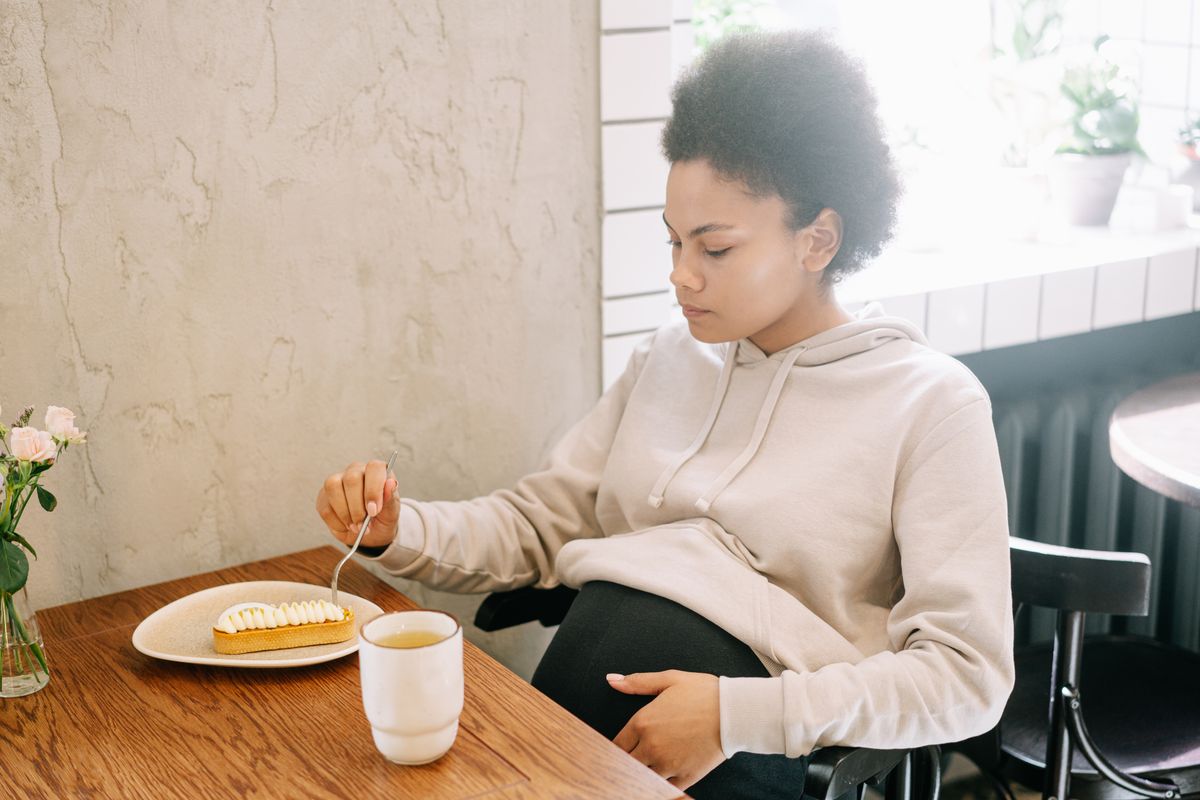
Can you drink coffee while pregnant? No need to quit completely, but count your green tea and Thai tea too
You can drink coffee while pregnant, but keep total caffeine under 200 mg a day, and count Thai tea, green tea, cocoa and cola too. A single café coffee may use up more than half your allowance.
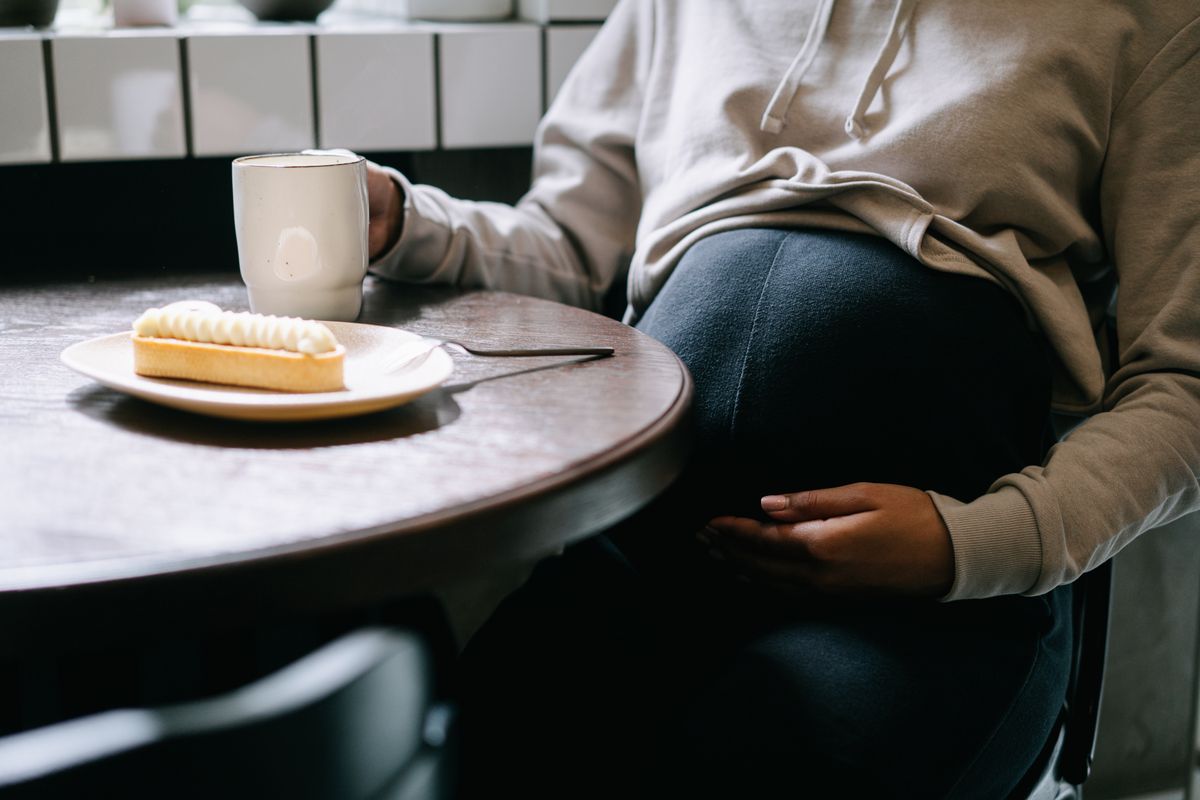
If you can’t open your eyes in the morning without coffee, hearing “once you’re pregnant you have to quit coffee” makes your heart sink to your toes. Especially in the first trimester, when you’re sleepy all day, that cup of coffee feels like your only lifeline.
The good news is that you don’t have to quit completely. But there’s something many people overlook: caffeine isn’t only in coffee. Your favorite afternoon Thai tea, or an iced green tea after lunch, counts too. Let’s turn it into numbers you can actually use.
Can you drink coffee while pregnant?
Quick Answer: Yes, as long as your total caffeine for the day is no more than 200 milligrams, as recommended by the NHS and ACOG.
ACOG (the American College of Obstetricians and Gynecologists) concludes that moderate caffeine intake, meaning less than 200 milligrams a day, does not appear to be a major cause of miscarriage or preterm birth. The UK’s NHS uses the same 200 milligram figure, so it’s the commonly used guideline.
But remember: 200 milligrams is the total for the whole day from every source, not per cup.
How much caffeine is in a cup of coffee?
Quick Answer: Anywhere from about 100 milligrams for instant coffee to almost 200 milligrams for some café coffees, depending on the number of shots and the cup size.
First, some reference figures from overseas:
- 1 cup of instant coffee: about 100 mg (NHS)
- 240 ml of drip or brewed coffee: about 95 mg (Mayo Clinic)
- 1 cup of black tea: about 75 mg (NHS)
- 1 can of cola: about 40 mg (NHS)
As for café coffee in Thailand, which often comes in large cups with strong shots, a survey published in the Royal Thai Naval Academy Journal measured caffeine in drinks from 4 shops at Chulachomklao Royal Military Academy. It found that coffee drinks such as cappuccino, latte, americano and mocha contained about 120 to 185 milligrams per cup.
We should say that this only measured a few shops, and other shops may have more or less. But it gives you a sense that a single café coffee may already use up more than half of your daily allowance.
Why do you need to count Thai tea and green tea?
Quick Answer: Because they have about as much caffeine as coffee. The same survey found about 120 to 135 milligrams in Thai tea and about 100 to 110 milligrams in green tea per cup.
Many people escape from coffee to Thai tea or green tea instead, thinking they’re milder. But looking at the numbers, there’s barely any difference.
| Drink | Approx. caffeine per cup | Note |
|---|---|---|
| Café coffee (latte, americano, etc.) | 120 to 185 mg | Thai survey of 4 shops |
| Thai tea | 120 to 135 mg | Thai survey of 4 shops |
| Green tea | 100 to 110 mg | Thai survey of 4 shops |
| Instant coffee | About 100 mg | NHS |
| 1 cup of black tea | About 75 mg | NHS |
| 1 can of cola | About 40 mg | NHS |
| Cocoa | About 15 to 18 mg | Thai survey of 4 shops |
These numbers are estimates for rough guidance only. Shops that brew strong or serve extra-large cups may be higher. For bottled or canned drinks, checking the caffeine on the label is the most accurate.
In real life, what can you drink in a day?
Quick Answer: 1 café coffee or 1 Thai tea a day is a safe limit, and don’t add a second cup from another caffeinated drink.
Let’s do some quick counting:
- A day within the limit: 1 café latte in the morning (about 120 to 185) + cocoa in the afternoon (about 15) = no more than 200
- A day over the limit without realizing: instant coffee in the morning (about 100) + Thai tea in the afternoon (about 120 to 135) = already over 200
Small tricks so you can still enjoy it:
- Order a single shot or a small cup
- Try decaf or half-decaf coffee
- In the afternoon, switch to milk, soy milk, fruit juice or cold water
- Watch out for very sweet Thai tea and green tea, because sugar is another thing doctors often ask you to limit during pregnancy
Why limit caffeine during pregnancy?
Quick Answer: Because caffeine can cross the placenta to your baby, and regularly having high amounts is linked to low birth weight and some pregnancy risks.
That’s why the NHS recommends keeping it to no more than 200 milligrams. The 400 milligram figure you often see online is the guideline for adults in general, not for pregnant women.
Caffeine can also cause palpitations, trouble sleeping, or worse heartburn, which many women in the third trimester already have.
What if you get headaches after cutting out coffee?
Quick Answer: Cut down gradually instead of stopping all at once. This helps reduce caffeine withdrawal headaches.
If the headache is more than you can bear, read about medicines commonly used in pregnancy, and what to be careful of, in Headaches in pregnancy: can you take paracetamol?
Call your doctor if…
- You have palpitations, an unusually fast heartbeat, or chest pain
- You have a severe headache that doesn’t get better, or blurred vision, flashing lights, or swelling in your face or hands, especially after 20 weeks of pregnancy, because these may be signs of preeclampsia, which has nothing to do with coffee
- You can’t sleep for several nights in a row, to the point where it affects your daily life
Other questions about eating in pregnancy
For an overview of what you really need to avoid, read What can’t you eat when pregnant?, and if you still have questions about drinks you have regularly, write them down to ask at your first prenatal visit.
One cup of coffee on a tiring day doesn’t make you a worse mom. Once you know how to count it, you can sip with peace of mind.
Questions parents ask
01How many cups of coffee a day can I drink while pregnant?
It depends on how much caffeine is in the cup. The guideline is no more than 200 milligrams in total a day. One cup of instant coffee has about 100 milligrams, while café coffee may have more. If you drink café coffee, treat 1 cup a day as your limit, and don't add tea or cola on top.
02Do Thai tea and green tea contain caffeine?
Yes. One survey of café drinks in Thailand found about 120 to 135 milligrams per cup of Thai tea and about 100 to 110 milligrams per cup of green tea, close to many coffee drinks. The actual amount depends on the shop and the cup size.
03Can I drink decaf coffee while pregnant?
Yes. Decaf coffee has very little caffeine, but not zero, so it's a good option if you want the taste of coffee without using up much of your caffeine allowance.
04I accidentally had more than 200 mg of caffeine one day. Is that dangerous?
Don't panic. This recommendation is about your daily intake over the long term. Going over now and then doesn't mean anything will happen to your baby. Just get back within the limit from the next day.
05Why do pregnant women need to limit caffeine?
Caffeine can cross the placenta to your baby, and regularly having high amounts is linked to low birth weight and some pregnancy risks. So the major sources recommend keeping it to no more than 200 milligrams a day.
06Can I drink energy drinks while pregnant?
Drinking them regularly isn't recommended, because they are high in caffeine and sugar. If you do have one, read the caffeine amount on the label and count it together with your coffee and tea for the day.
Can't find what you're looking for?
Ask us anything about family life in Thailand. No name needed. We read every question, and the ones parents ask most become new guides.
Sources
- NHS: Foods to avoid in pregnancy (caffeine)
- ACOG Committee Opinion No. 462: Moderate Caffeine Consumption During Pregnancy
- Mayo Clinic: Pregnancy nutrition, foods to avoid during pregnancy
- Royal Thai Naval Academy Journal: Survey and analysis of caffeine content in caffeinated drinks sold at Chulachomklao Royal Military Academy