Your baby's first 3 months: a new mom's guide to feeding, sleep, poop and when to see a doctor
A guide to newborn care in the first 3 months: feeding, safe sleep, poop and pee, the cord, jaundice, colic, fever, vaccines and the danger signs that mean go to hospital now.

The day you come home from hospital with a tiny new person, so many parents say the same thing: “So excited, and so scared.” Why is the baby crying? Are they getting enough milk? Is this poop color normal? Is it OK for them to sleep like this? Everything is new, and on top of that, relatives tell you one thing, friends tell you another, and the internet says something else again.
So we have gathered the questions new moms ask most in the first 3 months into one page, from feeding, sleep, poop and pee to the signs that mean you need to go to hospital. Every section has a short answer you can read quickly, plus links to articles that go deeper. Read it in one go, or save it for 3 a.m. when you are sitting up feeding.
What does your baby really need from you in the first 3 months?
Quick Answer: Just a few basics: enough milk, safe sleep, warmth, cleanliness, and someone watching for anything that seems wrong.
The World Health Organization (WHO) sums up newborn care in a handful of points: keep mother and baby together and feed on demand, keep the cord dry without putting anything on it, check for jaundice, hearing and eyesight, and know the danger signs that mean it is time to see a doctor.
Expensive gear, strict schedules or lots of developmental activities are not needed yet. Holding your baby, talking to them, making eye contact and responding when they cry is what they need most.
| Topic | What to know, in brief | Read more |
|---|---|---|
| Feeding | On demand, around 8 to 12 times a day | Signs your baby is getting enough milk |
| Sleep | On the back, firm flat mattress, same room but separate sleep surface | Bed-sharing: 7 things to check |
| Poop and pee | From day 5, at least 6 heavy wet diapers a day | Section below |
| Cord | Clean, dry, falls off by itself in 1 to 3 weeks | Newborn cord care |
| Jaundice | Common on days 3 to 5, no sunbathing | Newborn jaundice |
| Crying | Hard crying every evening may be colic | Colic |
| Fever | Under 3 months and 38°C or higher, go to hospital now | Fever in a baby under 3 months |
How often should your baby feed, and how do you know it is enough?
Quick Answer: Feed whenever your baby wants to, which in the early weeks is usually around 8 to 12 times every 24 hours, and judge whether they are getting enough from diapers, poop and weight, rather than by counting minutes or ounces.
A newborn’s stomach is tiny, so they feed a little at a time but often. Hunger cues usually come before crying: turning toward the breast, opening their mouth, sucking on their hands. If you wait until they are screaming, latching gets much harder.
Signs your baby is getting enough breast milk, according to the NHS
- You can hear or see your baby swallowing while they suck, and their cheeks stay rounded, not sucked in
- From day 4, at least 2 soft yellow poops a day in the first few weeks
- From day 5, at least 6 heavy wet diapers every 24 hours
- Losing some weight in the first few days is normal, then they gradually gain after day 3 to 4
The NHS stresses that if you are worried about whether your baby is getting enough, get help early rather than waiting to see. Many public hospitals in Thailand have a breastfeeding clinic, so ask the hospital where you gave birth.
There is a lot of detail on breastfeeding, so we have covered it separately:
- Signs your baby is getting enough breast milk
- My milk hasn’t come in yet: what can I do?
- Breastfeeding positions and a good latch
Do they need plain water? No. WHO recommends exclusive breastfeeding for the first 6 months, and formula-fed babies get their water from formula made up in the right proportions. Some older relatives may want to give water because Thailand is so hot. If you are worried, feed more often instead.
How much should your baby sleep, and what kind of sleep is safe?
Quick Answer: Newborns sleep more than they are awake. The NHS says it can add up to around 18 hours a day, but every baby is different. For safety, put your baby to sleep on their back on their own sleep surface in the same room as you.
How much sleep: At this age your baby cannot yet tell day from night, and waking often to feed is normal. The NHS has some simple ways to help them gradually learn the difference:
- Daytime: open the curtains, play with your baby when they are awake, and do not keep the house silent during naps
- Nighttime: keep lights dim, talk softly, do not play. Feed, change the diaper, then put them back down to sleep
Safety: This is the most important part of this section. The AAP recommends:
- On the back every time, for daytime naps and at night
- A firm, flat mattress with only a fitted sheet
- No pillows, blankets, soft toys or bumpers in baby’s sleep space
- Same room as the parents but a separate sleep surface for at least the first 6 months, which lowers the risk of sudden infant death syndrome (SIDS) by up to about half
- Never fall asleep with your baby on a sofa or armchair
Many Thai families share a bed with their baby, or lay out mattresses on the floor and sleep together as a family. If that is your choice, read Bed-sharing with a newborn: 7 things to check every night to reduce the risks as much as possible, and to know which nights you should never sleep together.
What poop and pee is normal, and what should you watch for?
Quick Answer: Your baby’s first poop is meconium, sticky and greenish-black, and it gradually turns yellow. Pee should be clear or pale yellow. Watch out for pale poop and dark pee.
Poop, according to the NHS:
- The first poop is called meconium. It is sticky and greenish-black
- Breastfed babies have runny poop that does not smell much
- Formula-fed babies have firmer, darker brown poop that smells more
- In the first week, babies usually poop 2 or more times a day. Some breastfed babies poop after every feed at first, and then after about 6 weeks may go several days without pooping
- Pale poop (creamy white, like faded modeling clay) can be a sign of jaundice that a doctor needs to check
Pee
- From day 5, there should be at least 6 heavy wet diapers a day
- Pee should be clear or pale yellow. If it is dark, or the diaper stays dry for an unusually long time, talk to a doctor or nurse
A small tip: if you see a diaper that looks strange, take a photo. At the doctor’s, just show them. It is much easier than trying to describe the color of the poop.
How do you care for skin, the cord, and bath time?
Quick Answer: Keep the cord clean and dry, and wait for it to fall off on its own within 1 to 3 weeks. Your baby’s skin does not need much: pat the skin folds dry, and there is no need for powder.
- Cord: WHO recommends keeping it dry without putting anything on it, but many Thai hospitals still teach parents to wipe it with alcohol. It is fine to follow what your hospital taught you. Details and signs of infection are in Baby’s cord hasn’t fallen off yet: do you need to wipe it with alcohol?
- Bathing: While the cord is still on, many families sponge-bathe instead of using a tub because it is easier to keep the cord dry. You do not need to bathe very often, but wipe the face, neck, skin folds and bottom clean every day
- Baby powder: Not needed, and pediatric organizations advise avoiding powder that puffs into the air. Read why in Baby powder after bath time: the habit doctors want you to drop
- Hot weather: Keep your baby in a well-ventilated room, in light, thin clothes, and do not wrap them too heavily
- Peeling, flaky skin: Common in the first week, especially on the hands and feet. It usually clears up on its own, so there is no need to pick at it. Read more in Newborn skin peeling and flaking: what is normal and when to see a doctor
What should you do if your baby looks yellow?
Quick Answer: Jaundice is very common in the first week, usually showing around days 3 to 5, and mostly clears up on its own. But a doctor needs to measure the level, and sunbathing is not a recommended treatment.
Feed often, go to the appointments for jaundice checks, and take your baby to hospital right away if they turn yellow within the first 24 hours, the yellow keeps getting deeper, their poop is pale, their pee is dark, or they are drowsy and not feeding.
All the details, including how to talk to older relatives who suggest putting the baby in the sun, are in Newborn jaundice: does your baby really need sunlight?
Why won’t your baby stop crying?
Quick Answer: Babies cry to tell you they are hungry, uncomfortable, sleepy or want to be held. If you have checked everything and they still cry hard for hours in the evening at the same time each day, it may be colic, which usually gets better by itself at around 3 to 4 months.
When your baby cries, run through this quick checklist first:
- Hungry? (When did they last feed?)
- Is the diaper wet or dirty?
- Too hot or too cold?
- Do they need burping?
- Sleepy but cannot settle, and want to be held and rocked?
- Any signs of illness, such as fever or not feeding?
If your baby cries hard every evening even after you have checked everything, read Hard crying every evening at the same time: this is colic, which has ways to soothe your baby and a backup plan for nights when you are close to your own limit.
What everyone in the house must know: Never shake a baby. If you feel you cannot cope, put your baby down on their back in a safe sleep space and step away for a short break.
What should you do if your baby feels hot?
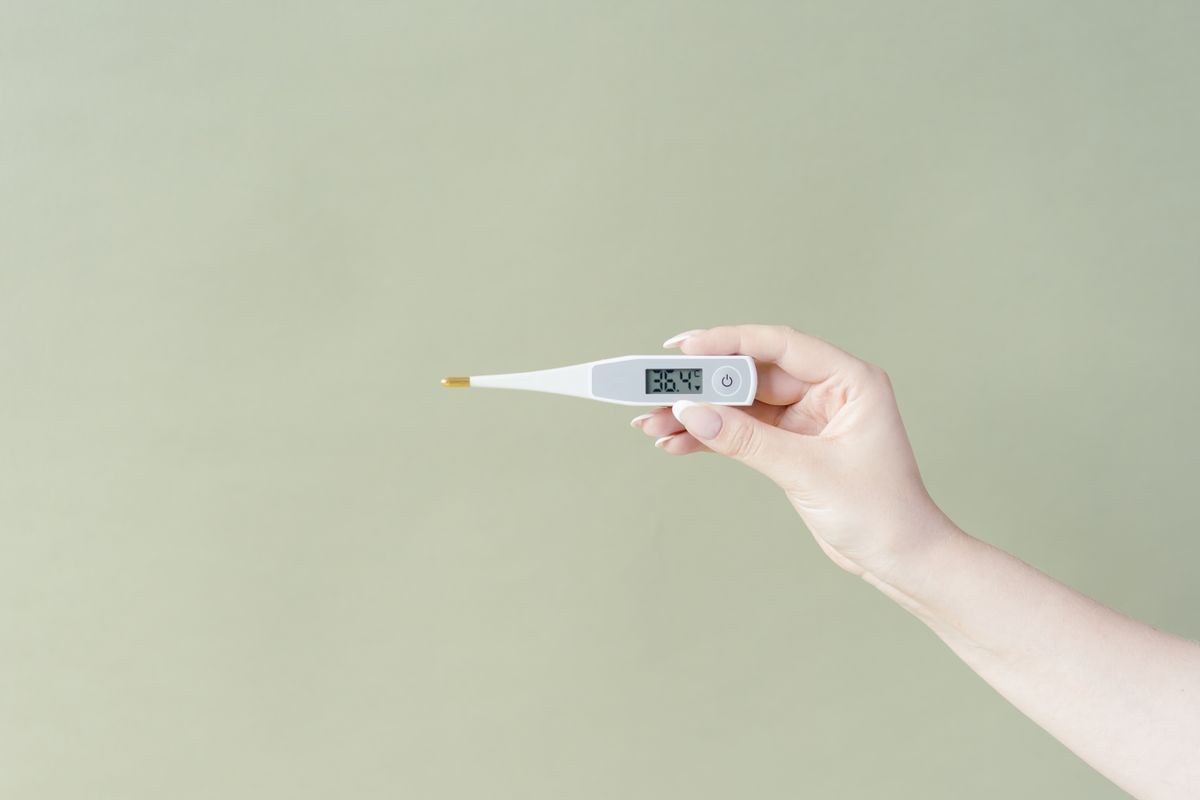
Quick Answer: If your baby is under 3 months old and has a temperature of 38°C or higher, take them to hospital right away. Do not wait to see how it goes, and do not give fever medicine yourself before a doctor has examined them.
Babies this young do not yet have a strong immune system, and fever may be the only sign of a serious infection, even if your baby is still feeding and seems normal. Keep a digital thermometer at home, and learn to take an armpit temperature correctly.
Read the full reasoning, and what the doctor will do when you arrive, in Fever in a baby under 3 months: why doctors say come to hospital now
Vaccines, checkups and the pink book
Quick Answer: Look after the pink book (the Thai mother and child health record book), bring it every time you take your baby to hospital, and go to the checkups and vaccine appointments recorded in it.
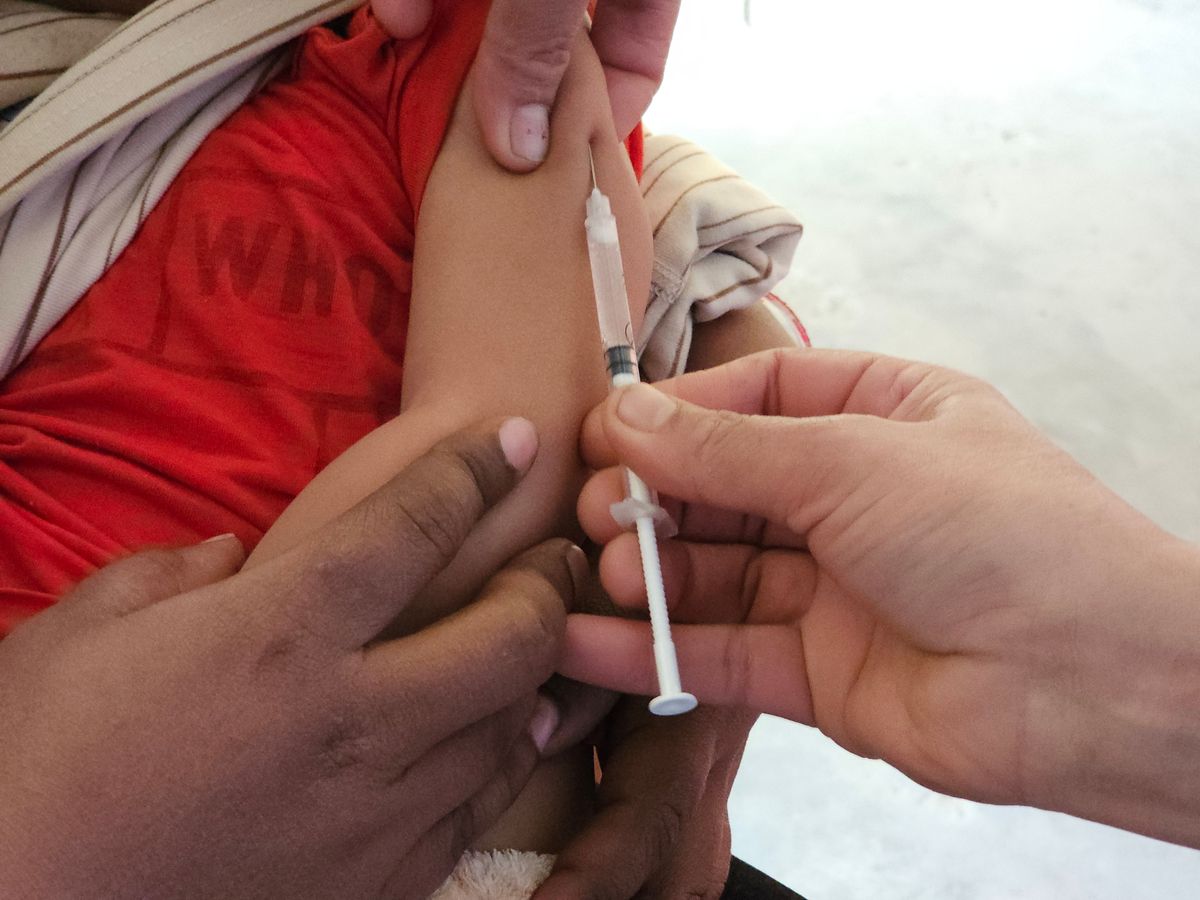
- Most babies get their first vaccines, such as tuberculosis (BCG) and hepatitis B, at the hospital after birth
- The next vaccine appointment under the Thai Ministry of Public Health schedule usually starts at around 2 months old, but go by the date the hospital has written in the book
- WHO recommends that babies get screening for jaundice, hearing and eyesight. If you are not sure which checks your baby has had, ask the hospital where you gave birth
- The pink book has growth charts for weight, height and development, which doctors and nurses fill in at every visit
If you had your prenatal care and birth at a different place from where you will take your baby for vaccines, bring the pink book every time. It lets the medical team see your baby’s history straight away.
Paperwork and benefits to sort out now
Quick Answer: The things to do early on are registering your baby’s birth before the deadline, and signing up for any benefits your family may be entitled to.
You are still exhausted from the birth, so paperwork feels very far away. But some of it has deadlines you cannot miss. We have covered these separately:
- Registering your baby’s birth: which documents you need
- Registering for the newborn child support grant
And what about you, mom?
Quick Answer: Your body is still recovering from the birth, and your mind is still adjusting to a new role. Rest whenever you can, eat enough, accept help, and tell your doctor if physical or emotional symptoms do not get better.
- Sleep when you get the chance, at least one long stretch a day, taking turns with others in the house
- Eat and drink: keep a water bottle at every spot where you sit to feed
- Go to your own postpartum checkups, not just your baby’s
- Keep an eye on your own mind: feeling sad, irritable or tearful in the early weeks is common, but if it does not get better, if you feel hopeless, do not want to look after your baby, or have thoughts of harming yourself or your baby, tell your doctor or someone close to you right away, or call the Thai mental health hotline 1323, available 24 hours
- Choose which advice to follow: many older relatives mean well. You can thank them, and you can also choose to follow what your doctor recommends
Go to hospital now if…
Quick Answer: If your baby is not feeding, is unusually drowsy, is breathing fast or with difficulty, has a fever of 38°C or higher while under 3 months, feels unusually cold, has jaundice that is getting worse, or has a seizure, go to hospital immediately or call 1669 (Thailand’s emergency medical number).
WHO stresses that parents should know the danger signs in a newborn and know where to take them. We have put them together here:
- Not feeding, or feeding much less
- Unusually drowsy, hard to wake, not responding as usual
- Fast breathing, difficulty breathing, or the body or lips look blue or pale
- Fever of 38°C or higher in a baby under 3 months, or feeling unusually cold
- A seizure or unusual stiffening of the body
- Yellow within the first 24 hours, or yellow that keeps getting deeper, pale poop, dark pee
- Cord area swollen, red, with pus, or bleeding that will not stop
- Diapers dry for an unusually long time
- A sudden change in how they cry, or a weak cry
Call a doctor or book a checkup if
- You are worried your baby is not getting enough milk, or is not gaining weight well
- Your baby is still yellow after 2 weeks old
- The cord has not fallen off by 3 weeks old
- Your baby keeps crying hard, to the point where the household feels unable to cope
Write down the emergency room number of your nearest hospital, and the pediatric ward number of the hospital where you gave birth, and stick them on the fridge or save them in your phone, so you are not searching for them in a panic.
Quick summary for the first 3 months
- Feed on demand, and use diapers to tell you whether baby is getting enough
- Baby sleeps on their back, on their own firm flat mattress, in the same room as you
- Keep the cord clean and dry, and skip the powder
- Let a doctor measure jaundice, no sunbathing
- Under 3 months with a 38°C fever, go to hospital now
- Never shake your baby. When you are exhausted, put them down somewhere safe and take a break
- Bring the pink book every time you go to hospital
If you are still preparing for the birth, have a look at our hospital bag checklist too.
The first 3 months are truly tiring, and nobody gets it perfect every day. But every time you watch your baby closely, ask when you are not sure, and take them to the doctor when you should, you are already a good enough mom for your baby.
In this section
 Registering legitimation of a child in Thailand: documents, how it differs from marriage registration, and why it's worth doing
 Choosing an Auspicious Thai Name by Birth Day: Taksa Made Simple, Plus What to Check Before Registering the Birth
 Newborn Essentials List: What You Really Need, What Can Wait, and What to Skip
 How do you play with a baby under a month old? 5 things you can do every day, no toys needed
 First-Month Milestones: What Your Baby Can Do, and the Signs to Tell the Doctor at Checkups
 Social Security child allowance: how it differs from the newborn child support grant, and can you get both?
 When Does Your Baby's First Real Smile "For Mom" Come, and How Is It Different From Sleep Smiles?
 Thai Social Security childbirth benefit: can both mom and dad claim, how do you file, and what's the deadline?
 Your Baby's First Vaccines in the Pink Book: What, When, and Which Optional Ones Are Your Call
 Bed-sharing with a newborn: if you're really going to do it, check these 7 things every night
 Registering Your Baby's Birth in Thailand: Documents to Prepare, Who Can Go for You, and What Happens if You Miss the Deadline
 Milk hasn't come in yet after birth? It doesn't mean you have none, and what helps in week one
 5 breastfeeding positions that help baby latch deeper and hurt your nipples less
 Worried your baby isn't getting enough milk? Diaper signs tell you more than expressing to check
 Thailand's Child Support Grant for Newborns: Who Qualifies, Where to Register, and What Gets Applications Sent Back
 Baby cries hard every evening at the same time? What colic is and what really helps
 Fever in a baby under 3 months: why doctors say come to the hospital now, without waiting to see
 Newborn Jaundice: Does Your Baby Really Need Sunlight? What Doctors Actually Check, and Signs Not to Wait On
 Umbilical Cord Stump Not Off Yet: Do You Need to Clean It With Alcohol Every Day? Current Care Advice
 Baby powder after the bath: why many pediatricians say skip it, and what to use instead
Questions parents ask
01How often should a newborn feed?
Whenever your baby wants to, which in the early weeks is usually around 8 to 12 times every 24 hours. Breastfed babies may feed even more often. The best signs that your baby is getting enough are wet diapers, poop and weight gain.
02How many hours a day does a newborn sleep?
Most newborns sleep more than they are awake. The NHS says it can add up to around 18 hours a day, but babies vary a lot, and they usually wake to feed every few hours, day and night.
03How many times a day should a newborn pee?
From day 5 onward, there should be at least 6 heavy wet diapers every 24 hours, according to the NHS. If there are fewer than this, or the pee is dark, talk to a doctor or nurse.
04Do newborns need water?
No. Babies on breast milk or formula get enough water from their milk. The World Health Organization recommends exclusive breastfeeding for the first 6 months. If you are worried about the hot weather, feed more often instead.
05What temperature in a newborn means seeing a doctor?
If your baby is under 3 months old and has a temperature of 38°C or higher, take them to hospital right away, even if they seem fine, and do not give fever medicine yourself before a doctor has examined them.
06What position should a newborn sleep in?
On their back every time, day and night, on a firm, flat mattress with no pillows, blankets or soft toys. The AAP recommends sleeping in the same room as the parents but on a separate sleep surface for at least the first 6 months.
07When should I take my baby to the doctor in the first 3 months?
Go to the appointments the hospital gave you after the birth, and the vaccine appointments recorded in the pink book. Beyond that, go right away if you see danger signs such as fever, not feeding, unusual drowsiness, difficulty breathing or jaundice that is getting worse.
Can't find what you're looking for?
Ask us anything about family life in Thailand. No name needed. We read every question, and the ones parents ask most become new guides.
