Umbilical Cord Stump Not Off Yet: Do You Need to Clean It With Alcohol Every Day? Current Care Advice
WHO and AAP recommend 'clean and dry' cord care with nothing applied, but many Thai hospitals still teach alcohol wipes. Follow your hospital's advice. How to care for it, and signs of infection.
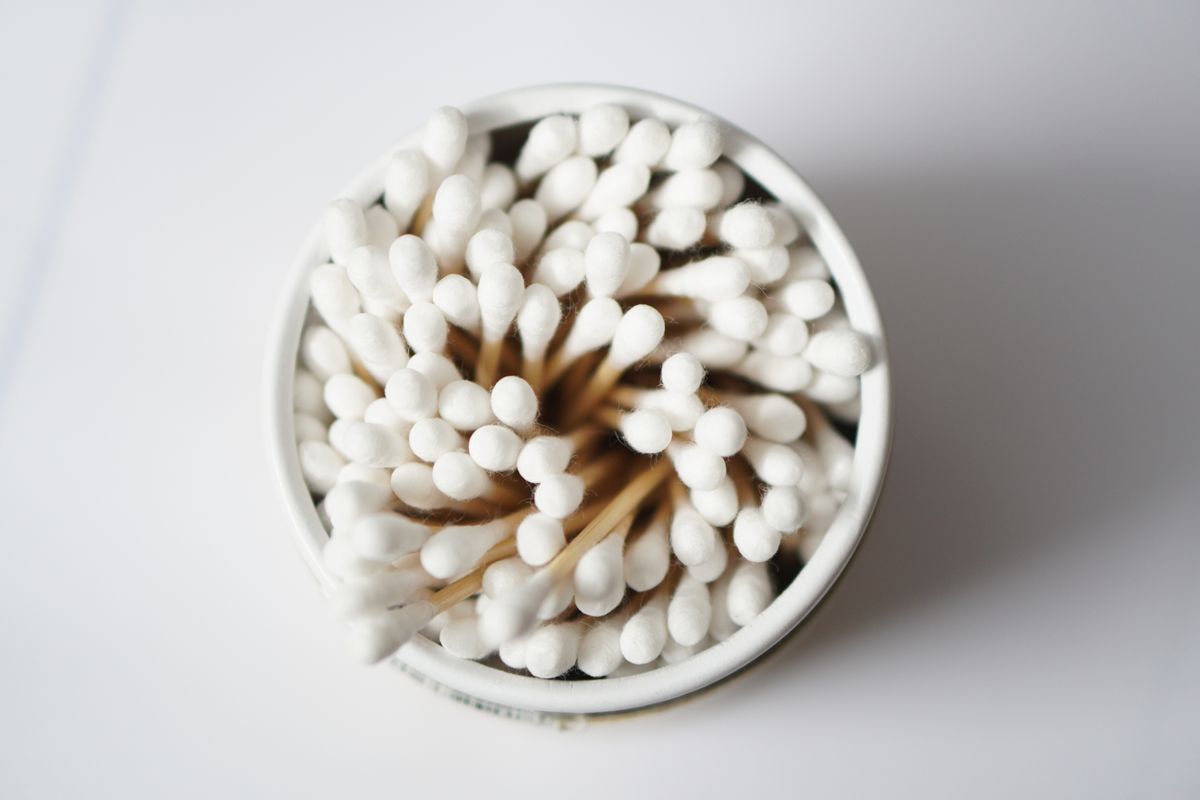
Before you leave the hospital, the nurse hands you a bottle of alcohol and cotton swabs and says, “Clean the cord after the bath every day.” But once you are home and search online, you find articles from abroad saying, “Don’t put anything on it, just let it dry.” So which is right? The whole household is confused.
Here is the answer up front: the two approaches are not as contradictory as they seem. We will explain where each one comes from, which suits your family, and which signs mean it is time to take your baby to the doctor.
How many days until the cord stump falls off?
Quick Answer: Most dry and fall off on their own within 1 to 3 weeks after birth. If it has not fallen off by 3 weeks, have a doctor look at it.
At first the stump is pale yellow or greenish white, soft and moist. Then it gradually dries, hardens and turns dark brown or black before falling off on its own. All of this is normal, so there is no need to panic.
- When it is close to falling off, there may be a little clear yellowish fluid or a small amount of blood oozing at the base. This is common.
- After it falls off, the navel may stay moist for a few more days.
- Do not pull it off yourself, even if only a tiny bit is left and your fingers are itching to pull it. Letting it fall off on its own is best.
Do you need to wipe it with alcohol every day? What does current guidance say?
Quick Answer: WHO recommends “clean and dry” care (dry cord care), with nothing applied, for babies born in countries or areas with low newborn death rates. The AAP also says alcohol is not necessary. But if your hospital taught you to wipe it, you can follow that.
Here is how each source compares:
| Source | Recommendation |
|---|---|
| WHO | In areas with low newborn death rates, clean and dry care. In areas with high newborn death rates and home births, chlorhexidine in the first week |
| AAP (HealthyChildren) | Alcohol is not necessary; just keep it clean |
| Mayo Clinic | Do not use alcohol unless a health professional recommends it |
| Many Thai hospitals | Still teach wiping with 70% alcohol after bathing until the stump is dry |
Why the shift to dry care? A Cochrane review of the research (2026) found that in high-income countries, wiping with alcohol made the stump fall off on average about 1.6 days later, and there was no clear data that it reduced infection. It concluded that in countries with good birth care, keeping the stump clean and dry is likely enough.
So what should your family do? Follow what the hospital where you gave birth taught you, because the team there knows your baby’s birth history. If they taught you to wipe with alcohol, you can do that. It is not dangerous at all; the stump may just fall off a little later. If you wonder whether you can choose dry care instead, ask at your baby’s first check-up after birth.
How to do clean and dry cord care
Quick Answer: Leave the stump open to the air, fold the diaper down below it, and if it gets dirty, wipe with clean water and pat dry. Do not apply powder, medicine or herbs.
- Wash your hands every time before touching the navel area.
- Fold the top edge of the diaper down below the stump so pee or poop does not get on it and air can circulate. Some diapers already have a cutout for the navel.
- If it gets pee or poop on it, gently wipe with a cotton ball or cloth dampened with clean water, then pat dry.
- Dress your baby in loose clothes that do not squeeze or press on the stump.
- Bathing: Mayo Clinic states that getting the stump wet is not harmful; just pat it dry. Many families choose sponge baths instead of tub baths during this time because it is easier to keep the area dry.
- Do not put anything on the stump. WHO advises against applying ointments or any substances, including powder, Thai balms (ยาหม่อง), turmeric or herbal remedies.
Thailand is hot and humid and babies sweat easily, so letting the stump get some air is very important. No need to cover it with a plaster or gauze.
If your hospital taught you to use alcohol, how to do it properly
Quick Answer: Use 70% alcohol with a cotton swab, and wipe the base of the stump after bathing as the nurse showed you, until the stump is dry.
- Use a new cotton swab every time. Do not dip a used swab back into the bottle.
- Wipe at the base of the stump, where it meets the skin, not just the tip.
- Your baby may flinch because it feels cold, not because it hurts.
- If the skin around the navel becomes red or dry and cracked from the alcohol, ask a nurse or doctor.
Which cord signs are abnormal and need a doctor?
Quick Answer: If the skin around the navel is swollen and red, there is pus or cloudy, foul-smelling yellow fluid, bleeding that does not stop, or your baby has a fever, see a doctor quickly.
Call a doctor or take your baby to the hospital if
- The skin around the base of the stump is red, swollen, or the redness is spreading
- There is cloudy or yellow fluid, or pus, especially with a bad smell
- Bleeding does not stop, or gets heavier
- Your baby seems to be in pain and cries a lot when the navel is pressed
- The stump has not fallen off by 3 weeks of age
- After it falls off, there is a moist pinkish-red lump of tissue that does not shrink (it may be a granuloma, which a doctor can easily treat)
Go to the hospital right away if
- Your baby has a fever of 38 degrees Celsius or higher (for babies under 3 months, read Fever in babies under 3 months)
- Your baby is drowsy and not feeding, together with a swollen, red navel
Common beliefs about the belly button
Quick Answer: Pressing a coin on the navel, binding the tummy with cloth, or putting things on the stump is not recommended, because it does not help and increases the risk of infection.
- A coin to press down an outie belly button: Sikarin Hospital warns it can cause sores on the skin and infection. Most outie belly buttons gradually improve as the baby grows. If you are worried, have a doctor look.
- Powder to dry the stump faster: not necessary, and powder may stick to the wound (read more about baby powder in Baby powder after a bath).
- Turmeric, Thai balm or herbal remedies: not recommended. Non-sterile substances may bring germs into the wound.
If the elders in your home want to help, ask them to keep an eye on whether the diaper is folded below the stump. That way they are really helping, and no one feels left out.
A quick summary
Your baby’s cord stump only needs cleanliness, dryness and time. As for whether to wipe with alcohol, you can go by what your hospital taught you. Just remember the warning signs well. For an overview of caring for your baby in the first month, read our guide to your baby’s first 3 months.
On the day the stump falls off, many families keep it as a keepsake. And you, mama, have made it through another milestone of being a new mom. Well done.
Questions parents ask
01How many days until the umbilical cord stump falls off?
Most fall off on their own within 1 to 3 weeks after birth. If it has not fallen off by 3 weeks of age, have a doctor check.
02Do I need to clean my baby's cord stump with alcohol?
Current international guidance such as the AAP and WHO says it is not necessary; keeping it clean and dry is enough. But if the hospital where you gave birth taught you to wipe it with 70% alcohol, you can follow that, because it is not a dangerous method. Research has only found it may make the stump fall off about 1 to 2 days later.
03Can my baby's cord stump get wet?
Yes. Mayo Clinic states that getting the stump wet is not harmful; just pat it dry after bathing. Many people choose sponge baths instead of tub baths at first because it is easier to keep the area dry.
04There is a little blood after the stump fell off. Is that abnormal?
A little oozing blood when the stump falls off is common. Dab it clean and keep watching. But if the bleeding does not stop, or gets heavier, take your baby to a doctor right away.
05My baby's cord stump smells. What should I do?
A slight smell while the stump is drying is common. But if there is a bad smell together with cloudy yellow fluid or pus, swollen red skin around the navel, or your baby has a fever, it may be an infection. See a doctor quickly.
06Can I use a coin or a binder to press down my baby's belly button?
It is not recommended. Sikarin Hospital warns that putting a coin or something pressing on the navel can cause sores on delicate skin and risks infection. Most outie belly buttons gradually improve on their own. If you are worried, ask your doctor.
Can't find what you're looking for?
Ask us anything about family life in Thailand. No name needed. We read every question, and the ones parents ask most become new guides.
Sources
- WHO: Postnatal care of the mother and newborn, highlights from the WHO 2013 guidelines
- HealthyChildren.org (AAP): Umbilical Cord Care in Newborns
- Mayo Clinic: Umbilical cord care, do's and don'ts for parents
- Cochrane (2026): Simple antiseptic can reduce newborn infections
- Sikarin Hospital: How to clean a newborn's umbilical cord safely