Baby powder after the bath: why many pediatricians say skip it, and what to use instead
Dusting baby with powder after the bath is a familiar sight, but pediatricians advise avoiding talcum powder because it easily gets into baby's nose. Here's why, and what to do instead.
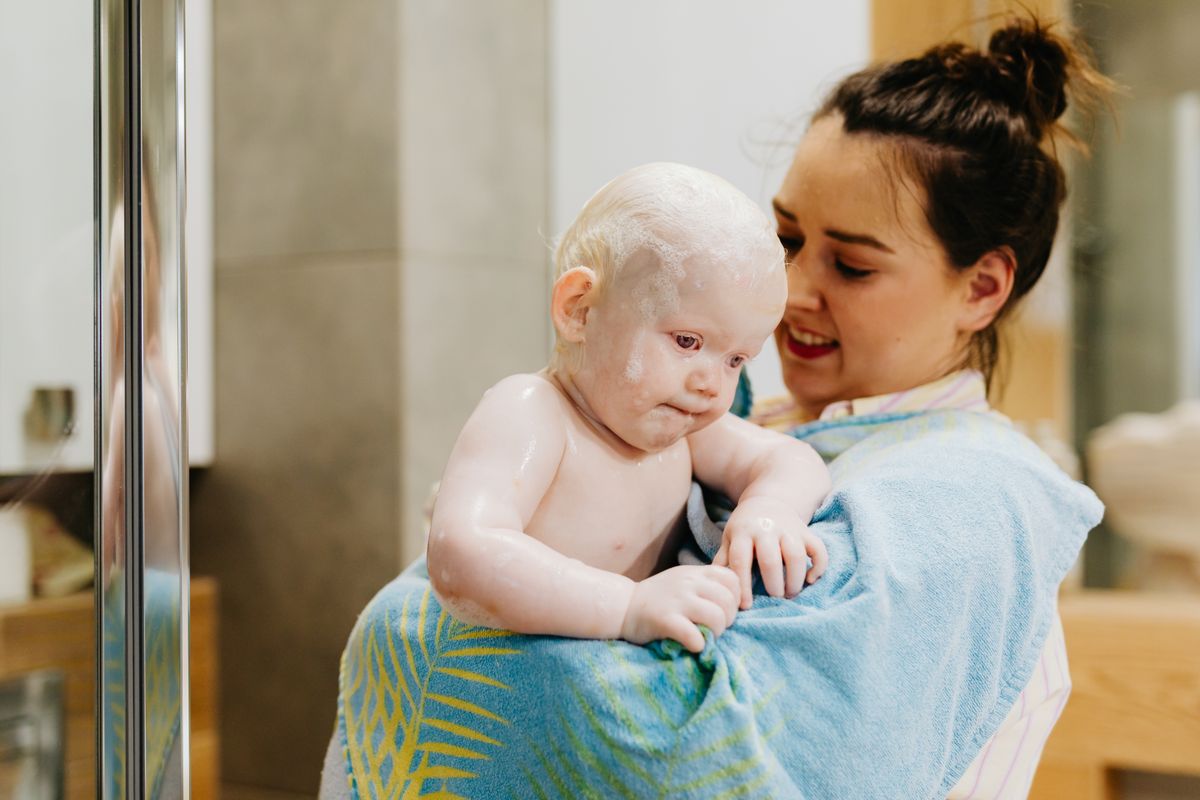
Bath time ends, you pat baby dry, then dust them white all over with powder, and the whole room smells lovely. Many of us grew up with this picture. Grandma did it, our moms did it, and we just followed along without thinking about it.
But if you ask a pediatrician today, most of the answers sound about the same: “You don’t need to use it.” Some organizations go as far as recommending you avoid it altogether. Let’s look at why.
Do babies need baby powder?
Quick Answer: No. Baby’s skin doesn’t need powder to be healthy. The feeling of being “dry, fragrant and clean” is more about habit than need.
It’s true that powder makes skin feel dry and smooth. But if you pat baby dry well, dress them in breathable clothes and keep them somewhere with good airflow, you get the same result, with no risk at all.
Why don’t pediatricians recommend it?
Quick Answer: Because the powder easily gets into baby’s nose and lungs, and some talcum powders raise concerns about contamination.
There are 2 main reasons:
- Breathing in powder: babies breathe fast and are very close to where you sprinkle the powder. When you shake the container, the fine powder rises right to baby’s nose level. If baby breathes in a lot of it, it may irritate the airways or cause lung problems
- Concerns about talc: HealthyChildren.org, the website of the American Academy of Pediatrics (AAP), says that powders containing talc may be contaminated with asbestos, and labels don’t have to say so, so it recommends that parents don’t use products containing talc. Health Canada has also warned people to keep powder away from children’s faces
What about cornstarch or organic powder?
Quick Answer: Better in that there’s no talc, but it’s still a powder that can be breathed in.
Powders made from corn or rice don’t carry the asbestos concern, but the AAP still warns that if breathed in, they can irritate the airways. If your family still wants to use one, try this:
- Pour the powder into your own hand first, away from baby, then gently smooth on a thin layer
- Never shake the container directly over baby
- Don’t use it on the face and neck
- Keep the container out of children’s reach, because little ones love to grab it to play with and can pour it over their own face before you know it
It’s so hot here. Will baby get heat rash without powder?
Quick Answer: Heat rash is prevented by letting heat escape, not by powder.
Heat rash happens when sweat can’t escape fast enough and gets trapped under the skin. What works better:
- Dress baby in thin cotton clothes. Don’t swaddle or layer too much
- Let baby sleep in a room with good airflow, with a fan or air conditioning at a comfortable temperature
- Pat sweat dry on the neck and in the folds of the arms and legs often
- On very hot days, bathe baby or sponge them down with lukewarm water
Plus, if you sprinkle powder while the skin is still damp with sweat, it can sometimes cake in the skin folds and become even more irritating than before.
Want to know what heat rash looks like, where it shows up most, and when to see a doctor? Read more in Heat rash in babies in hot, humid weather like ours
Does powder help with diaper rash?
Quick Answer: What really helps is changing diapers often, letting the skin dry, and applying a barrier cream.
Simple diaper rash care:
- Change the diaper as soon as it’s wet or dirty
- Clean with plain water or fragrance-free wet wipes
- Gently pat dry, don’t rub, and if you can, let baby go diaper-free for a while
- Apply a thin layer of barrier cream, such as one containing zinc oxide, at every change
If the rash doesn’t improve within 2 to 3 days, there are pus-filled bumps or blisters, or baby has a fever, take baby to see a doctor.
What can you use instead of powder after the bath?
Quick Answer: Most of the time, nothing at all. If baby’s skin looks dry, apply a thin layer of fragrance-free moisturizer while the skin is still damp.
A simple after-bath routine is all you need:
- Gently pat dry with a soft towel, paying attention to the neck creases, armpits, skin folds and behind the ears
- If the skin is dry, apply a fragrance-free cream, lotion or oil with a short ingredient list, using just a little
- Dress baby in cotton clothes washed with a gentle detergent
If you’re looking for an oil, choose a simple formula with no fragrance, few ingredients and a clear Thai FDA (Or Yor) notification number. Whichever brand you choose, always test it on a small patch of baby’s skin first.
Summary
If you’ve used powder on your baby before, please don’t feel guilty. We all follow what’s been passed down to us. Today you just know a little more: babies don’t need powder. Pat dry, dress them in airy clothes, and moisturize only when the skin is dry. That’s all baby’s skin needs to stay comfortable.
Questions parents ask
01Can I use baby powder on my baby?
It isn't necessary, and many organizations recommend avoiding it, especially powder containing talc, because of the risk that baby breathes in the powder. If you really want to use it, pour it into your own hand first, away from baby's face, and use a very small amount.
02Why is baby powder dangerous for babies?
The powder is very fine and easily gets into the air. If a baby breathes in a lot of it, it may irritate the airways or cause lung problems. On top of that, some talcum powders raise concerns about asbestos contamination.
03Is cornstarch powder safer than talcum powder?
Cornstarch powder doesn't carry the asbestos concern, but if breathed in, it can still irritate the airways in the same way, so you should also avoid sprinkling it near baby's face.
04It's hot and my baby sweats a lot. Will they get a rash without powder?
Heat rash is well prevented by keeping baby somewhere with good airflow, dressing them in thin, light clothes, not wrapping them too tightly, and patting sweat dry in the skin folds. Sprinkling powder on sweaty skin can sometimes make it clump and clog the skin even more.
05For diaper rash, should I use powder or cream?
For diaper rash, change diapers often, clean with plain water or fragrance-free wet wipes, pat dry, then apply a barrier cream containing zinc oxide. If the rash doesn't improve within 2 to 3 days or there are blisters or sores, see a doctor.
06What should I put on my baby after the bath?
Pat baby until just damp, then apply a gentle fragrance-free cream, lotion or oil only if baby's skin looks dry. If the skin is still soft, you don't need to put anything on at all.
Can't find what you're looking for?
Ask us anything about family life in Thailand. No name needed. We read every question, and the ones parents ask most become new guides.