Fever in a baby under 3 months: why doctors say come to the hospital now, without waiting to see
Baby under 3 months with a temperature of 38°C or higher? Go to hospital now, even if they seem well, and don't give fever medicine first. Why, how to take a temperature, and what to expect.
Your baby is just over a month old. They feel warm to the touch, and the thermometer reads just over 38, but they’re still feeding and not too fussy. Part of you wants to wait one more night, and part of you is scared it might be something serious. Lots of moms have stood frozen at exactly this point.
Pediatricians have a very clear answer here. We’ll explain why babies this age are different from older children, so that if it happens, you know the reason and can decide quickly without second-guessing.
For a baby under 3 months, what temperature means going to the hospital?
Quick Answer: If the reading is 38°C or higher, take your baby to the hospital right away. Don’t wait to see how it goes, even if your baby still seems fine.
Both the AAP (American Academy of Pediatrics) and the UK’s NHS use the same threshold:
- AAP: if your baby is 3 months old or younger and has a fever of 38°C or higher, contact your pediatrician immediately.
- NHS: if your baby is under 3 months old and has a temperature of 38°C or higher, get urgent medical help.
In practical terms in Thailand, that means go to the emergency room or the pediatric department of a hospital near you. If it’s nighttime, go straight to the emergency room. Don’t wait until morning to go to a clinic.
Why can’t babies this age wait, when older children can?
Quick Answer: Because a young baby’s immune system isn’t strong yet, serious infections can spread quickly, and fever may be the only symptom, with no other signs to see.
With older children, doctors usually also look at “how sick the child looks.” But with a baby just a few weeks old, appearances tell you very little. The AAP explains that babies this age can’t tell you how they feel, so fever is an important sign that something may be wrong.
Things the doctor wants to make sure it isn’t include:
- Urinary tract infection, found in more than 10% of babies with fever, according to data the AAP cites
- Bloodstream infection
- Meningitis
- Pneumonia
This may sound scary, but most babies with a fever recover well. Only a small number have a serious infection, and for that small number, being checked early means getting treatment early, which matters a lot.
Can I give fever medicine before going to the hospital?
Quick Answer: Don’t give fever medicine yourself to a baby under 3 months. Let the doctor examine them first.
For two reasons:
- Medicine can bring the fever down and make it harder for the doctor to assess. A temporary drop in temperature doesn’t mean the infection has gone.
- The dose for babies has to be calculated by weight, and the NHS says not to give paracetamol to children under 2 months unless a doctor prescribes it.
Even if you already have children’s fever medicine at home, if you’re not sure, always ask a doctor or pharmacist first. Never give your baby an older sibling’s medicine or a share of adult medicine.
How do I take a baby’s temperature accurately?
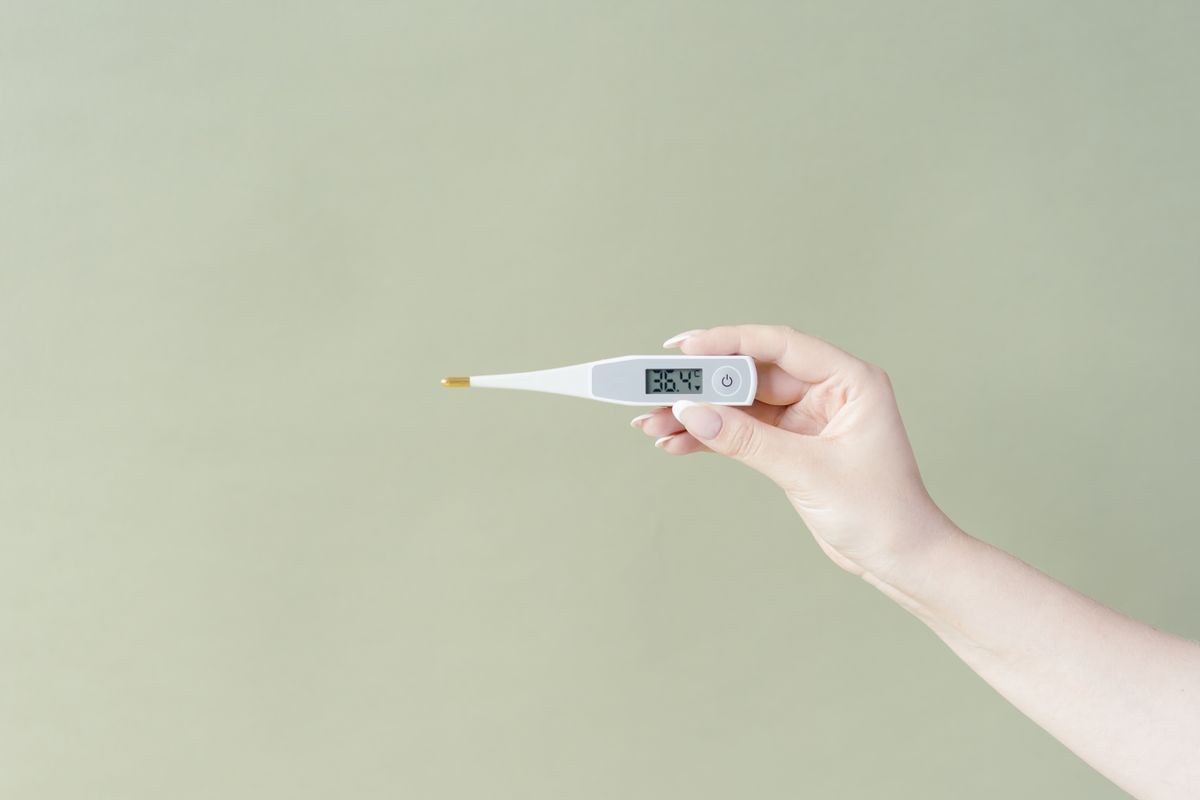
Quick Answer: Use a digital thermometer under the armpit. A reading of 38°C or higher counts as a fever.
- Use a digital thermometer. The NHS recommends no longer using glass mercury thermometers, because they’re dangerous if they break.
- Take it under the armpit. Put the tip of the thermometer in the armpit and hold your baby’s arm against their body until it beeps.
- The AAP considers a rectal reading the most accurate for young babies, but if you’re not comfortable doing that, the armpit is fine. Just tell the doctor where you took it.
- A baby’s normal temperature is around 36.4°C (it may vary slightly).
- Don’t rely on touching their forehead with your hand, because it’s easily misleading.
If your baby feels unusually cold or reads much lower than normal, and is also drowsy and not feeding, that’s also a sign to go to the hospital.
What will the doctor do at the hospital?
Quick Answer: The doctor will take a history, examine your baby, and usually order urine and blood tests. Some babies may need a spinal fluid test or a hospital stay for observation, depending on age and test results.
The AAP’s 2021 guideline divides care for babies with fever by age group (8 to 21 days, 22 to 28 days, 29 to 60 days). The younger the baby, the more thoroughly the doctor checks. If the doctor recommends a lumbar puncture or a hospital stay, try not to panic. It doesn’t always mean your baby is seriously ill. Often it’s done to be on the safe side.
If you bring this information with you, it helps the doctor a lot:
- The temperature reading, where you took it, and what time
- How much your baby fed, and how many wet and dirty diapers they had that day
- Whether anyone at home is sick
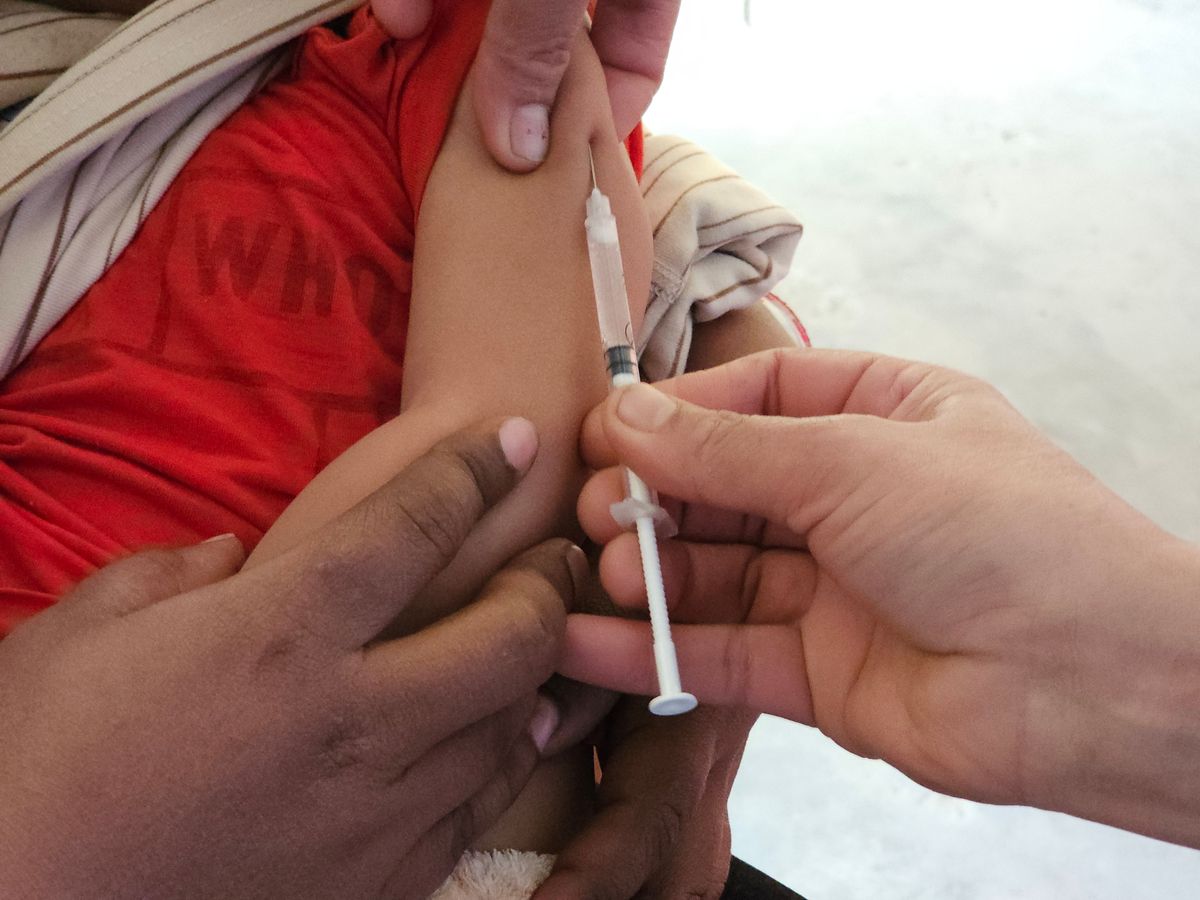
- Whether your baby has recently had a vaccine
- The pink book (the Thai mother and child health record book) with the birth and vaccine records
Go to the hospital now if…
Quick Answer: If your baby is under 3 months with a fever of 38°C or higher, or has any of the symptoms below, even without a fever, go to the hospital immediately.
- A fever of 38°C or higher in a baby under 3 months
- Drowsy, hard to wake, not responding as usual
- Refusing to feed or feeding much less
- Fast breathing or difficulty breathing
- Skin, lips or tongue that look pale, blue or blotchy, or unusually cold hands and feet
- A rash that doesn’t fade when you press on it
- Seizures or unusual stiffening
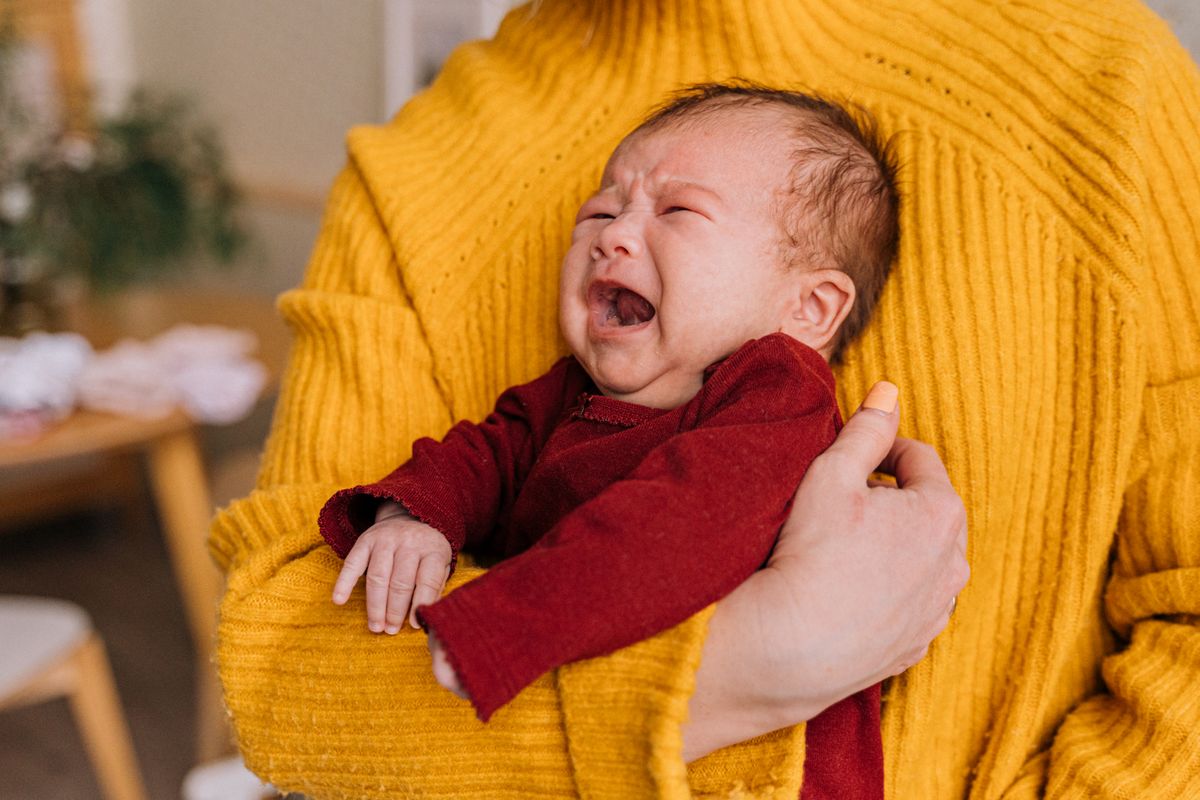
- Very unsettled, crying that won’t stop however you soothe them
- Diapers staying dry for an unusually long time
Many families hear elders say, “Babies get a bit warm, it’ll pass.” With older children that’s often true, but for a baby under 3 months, please stick to the number 38.
Going forward, how can I protect my baby from infection?
Quick Answer: Wash your hands before touching your baby, avoid sick people and crowded places in the first months, breastfeed if you can, and take your baby for vaccines on schedule as recorded in the pink book.
- Ask relatives with a cold or cough to hold off on holding or kissing your baby for now
- Wash your hands every time before picking up your baby and after changing diapers
- Avoid taking your baby to malls or crowded events in the early weeks
For an overview of caring for your baby during this period, read Guide to your baby’s first 3 months, or if your baby also has yellow skin, see Newborn jaundice: does sunlight really help?
If you go and the doctor says it’s nothing serious, that’s the best outcome. It doesn’t mean you overreacted. Taking your baby to be checked was the right decision.
Questions parents ask
01What temperature in a newborn means I should see a doctor?
For a baby under 3 months, if the reading is 38°C or higher, take them to the hospital right away. Both the AAP and the NHS use this threshold. Don't wait overnight to see how it goes.
02My 1-month-old feels hot. Can I give fever medicine?
Don't give it yourself. The NHS says not to give paracetamol to children under 2 months unless a doctor prescribes it, and for babies under 3 months, always have a doctor examine them first, because medicine can mask symptoms and the dose for babies must be calculated by a doctor or pharmacist.
03My baby is under 3 months and has a fever, but is still feeding well and seems happy. Do we still need to go?
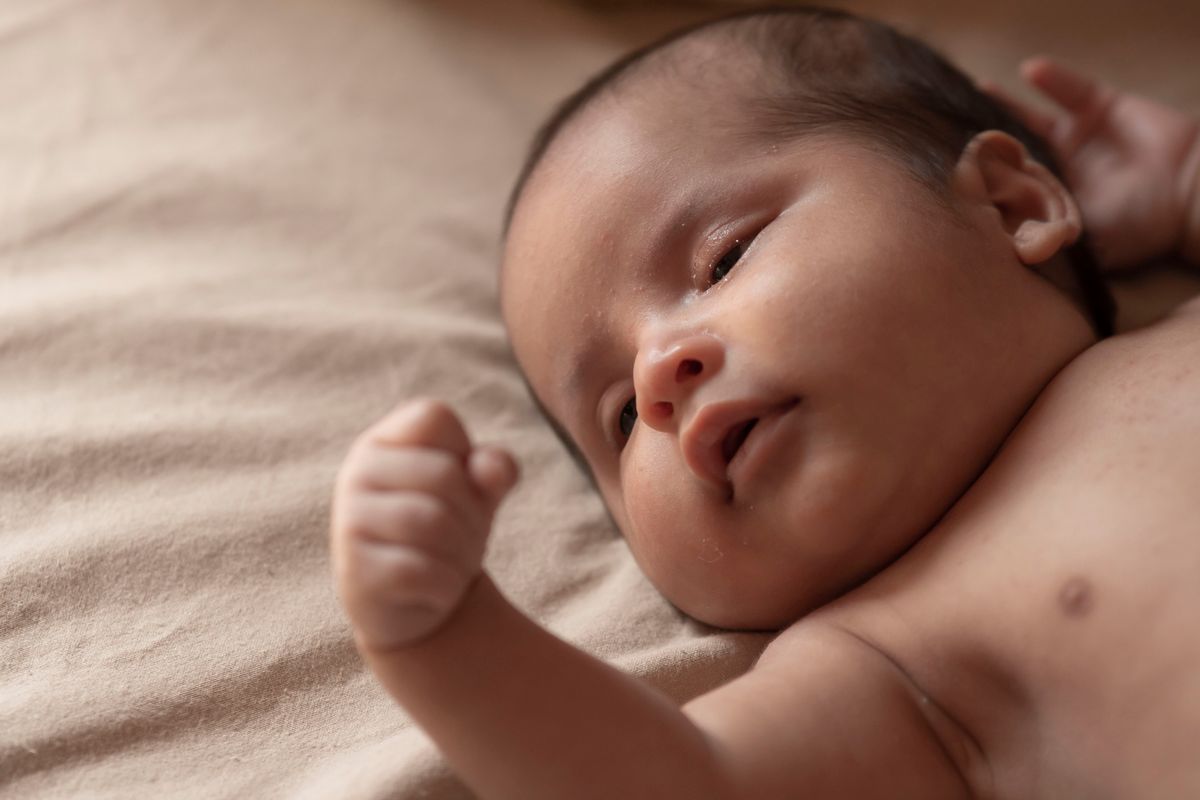
Yes. Babies this age can have a serious infection while still looking normal, so fever is an important sign the doctor wants to check for themselves.
04Where should I take a newborn's temperature?
Using a digital thermometer under the armpit is an easy method to do at home, as the NHS recommends. The AAP considers a rectal reading the most accurate for young babies. If an armpit reading is 38°C or higher, take your baby to the hospital right away.
05Can I sponge my newborn to bring the fever down?
The NHS advises that there's no need to undress your baby or sponge them to lower a fever, because fever is the body's response to infection. What matters more is getting your baby checked by a doctor. On the way, dress your baby in normal clothes and don't bundle them up too thickly.
06My baby has a fever after a vaccine. Do we need to go to the hospital?
Fever after vaccines is common, but for a baby under 3 months, call the hospital where they were vaccinated or your pediatrician every time the temperature is 38°C or higher, so the doctor can decide whether your baby needs to be seen.
Can't find what you're looking for?
Ask us anything about family life in Thailand. No name needed. We read every question, and the ones parents ask most become new guides.