Raising a 1 to 3 year old: a modern mom's guide, from first steps and first words to the day they say "No!"
A complete guide to raising a 1 to 3 year old: milestones in the pink book, talking, eating, milk, potty training, vaccines, nursery bugs, sleep, screens, and the signs that mean see a doctor.

Yesterday you were still rocking them to sleep. Today they toddle off, open the kitchen cupboard, pull out a pot to bang on, then turn to you and say “No!” with the most serious face of their life. Welcome to ages 1 to 3: the cutest and most exhausting stage, all at once.
The questions in your head change, too. “Is my baby getting enough milk?” turns into “Why aren’t they talking yet?”, “Why won’t they eat?”, “Should we be done with diapers?” and “Is it normal to be sick this often since nursery started?” We’ll go through them one by one, short enough to finish during a nap, with links to dig deeper into each topic.
How much does a child change between 1 and 3?
Quick Answer: A lot. They go from just finding their feet and saying single words to running, climbing, speaking in sentences and having very clear opinions of their own.
Here’s the rough picture.
| Age | What you’ll often see |
|---|---|
| 1 to 1.5 years | Starts walking alone, a few single words, points at things they want, scribbles lines |
| 1.5 to 2 years | Runs, kicks a ball, stacks blocks, feeds themselves with a spoon, starts putting two words together |
| 2 to 3 years | Jumps with both feet, points to many body parts, says yes and no, washes own hands, pretend play |
Every child has their own rhythm. Some walk early but talk late; some talk a lot but aren’t in a hurry to walk. So this table isn’t a test. Use it to know what to watch for at each age, and if several things aren’t there yet, talk to a doctor.
What do toddler milestones cover, and how does the pink book help?
Quick Answer: The pink book has the DSPM guide, which splits development into 5 areas by age. You can try the items with your child at home, and health staff will screen your child at 9, 18, 30, 42 and 60 months.
DSPM (the Thai early childhood development surveillance and promotion guide) looks at 5 areas:
- Gross motor, like walking, running, kicking a ball, jumping
- Fine motor and thinking, like scribbling, stacking blocks, solving simple problems
- Understanding language, like following instructions, pointing to body parts
- Using language, like saying words, saying short phrases
- Self-help and social skills, like drinking from a cup, using a spoon, washing hands
Lots of families get the book, tuck it in a drawer and only open it again at vaccine visits, even though it also explains how to play with your child to build each skill. For a detailed checklist around age 2, read 2-year-old milestones: the pink book checklist.
My 2 year old only says a few words. Should I worry?
Quick Answer: No need to panic, but don’t just wait. Most 2 year olds can put two words together. If yours can’t yet, talk to a doctor about a hearing test and a developmental check.
The American Academy of Pediatrics (AAP) says about 1 in 5 children learn to talk later than others their age. Many catch up on their own, but some need help. What doctors really look at isn’t just the number of words. It’s whether your child understands, can point to show you things, turns when you call their name, and whether any skills have been lost.
Honestly, this is the one where elders in the family love to say, “They’ll talk when they’re ready, their dad was a late talker too.” Sometimes that’s true, but a check-up costs you nothing and buys peace of mind. Read the signs doctors actually check in My 2 year old only says a few words: wait, or see a developmental doctor?
What should a toddler eat, and how many meals a day?
Quick Answer: 3 meals of food as the main thing. They can eat the same food as the family, just not strongly seasoned, plus fruit as a snack 1 to 2 times a day, with plain milk as a supplement, not the main source.
The Thai age-appropriate feeding guide for young children suggests that for 1 to 2 year olds, each meal has about 1 ladle of rice and about 1 to 1.5 tablespoons of meat, with eggs regularly, alternating green leafy vegetables like ivy gourd (ตำลึง) and morning glory with orange ones like pumpkin and carrot, and no added sugar, MSG or seasoning powder.
Everyday dishes that work well at this age include rice porridge with fish, steamed egg, clear soup with ivy gourd and minced pork, clear soup with winter melon and chicken, and egg fried rice with finely chopped veg. Spicy curries or som tam can wait, there’s no rush.
If your child is a picky eater, pockets food, or only wants snacks, you’re not the only one. Read Picky eater taking half an hour per bite: what pediatricians want you to stop doing for ideas you can try from tonight’s dinner.
After the first birthday, how should milk change?
Quick Answer: From 1 year you can start plain cow’s milk, about 2 glasses a day. If you’re still breastfeeding, keep going if you like. Aim to wean off bottles by about 18 months, or 2 years at the latest.
The AAP recommends about 2 cups (roughly 480 ml) of whole cow’s milk a day for children aged 12 to 24 months, and considers toddler formulas unnecessary. Yogurt drinks, chocolate milk and sweetened milk are high in sugar, so keep them as occasional treats.
Where many families slip up is thinking more milk means a bigger, stronger child. But if milk fills them up before mealtimes, they get less iron and other nutrients from food. The full details are in Can my 1 year old switch straight to carton milk?
When should we start potty training?
Quick Answer: Go by your child’s readiness, not their age. Most children’s bodies are ready around 18 to 24 months, and real training usually starts between 2 and 3 years.
Signs your child is ready include staying dry for about 2 hours, grunting or hiding in a corner before pooping, following simple instructions, and disliking a wet diaper. If grandma says, “The neighbor’s kid was out of diapers at 1,” just smile for now. Training when your child is ready is usually faster and less tiring. Read the full readiness checklist in Potty training: what age is ready?
Which vaccine visits are due between 1 and 3?
Quick Answer: There are 3 main visits on the basic schedule: 1 year (JE dose 1), 18 months (diphtheria, tetanus, pertussis, polio, and measles-mumps-rubella dose 2), and 30 months (JE dose 2).
There’s news for 2026 too. The pneumococcal vaccine (PCV) has been added as a free benefit for young children, with the last dose at 12 months, and the flu vaccine was offered free to children from 6 months to under 5 years in the mid-year campaign. Chickenpox, hepatitis A and hand, foot and mouth (EV71) vaccines are optional ones you pay for.
See the full schedule, and which shots are free and which you pay for, in Vaccines from 1 to 3 years: which are free and which you pay for. To look back at the newborn vaccines, see Your baby’s first vaccines in the pink book.
My child keeps getting sick since starting nursery. Which illnesses should I know about?
Quick Answer: In the first months of nursery, it’s common for young children to catch colds often, because they’re meeting lots of new germs. Illnesses worth knowing are hand, foot and mouth disease, flu and diarrhea, which spread easily among small children.
Hand, foot and mouth disease is the one moms hear about most in the nursery LINE group. Thailand’s Department of Disease Control advises that sick children stay home for 5 working days or until fully recovered, and if 2 or more children in the same room get sick within 1 week, the room should close for at least 1 day for cleaning. Symptoms, home care and danger signs are in Hand, foot and mouth outbreak at nursery: when to see a doctor.
What really helps: teach your child to wash hands before eating and after the toilet, don’t share cups, spoons or towels with friends, and let your child rest at home when sick, even if it means taking leave. If you’re in Chiang Mai, save the list of hospitals and children’s clinics in Chiang Mai on your phone.
How much sleep, screen time and play does a toddler need?
Quick Answer: The WHO recommends 11 to 14 hours of total sleep for 1 to 2 year olds, at least 3 hours of active play spread through the day, no sedentary screen time for 1 year olds, and no more than 1 hour a day for 2 year olds.
These numbers might make you feel a bit guilty, especially when you hand over the phone so you can cook or work. We’re not saying never. Just try to cut back gradually, for example:
- Set screen times instead of leaving it on all day
- Watch together and point things out: “Is that a dog? What does a dog say?”
- No screens during meals or before bed
- Offer kitchen things to play with instead, like a ladle, plastic boxes, measuring cups
Simple play like reading a story, singing, peekaboo and chatting at bath time is the best language booster there is.
The day your child says “No!”: how do you handle it?
Quick Answer: Saying no and having tantrums are part of this stage, because your child wants to be their own person but can’t put feelings into words yet. What helps: stay calm first, offer small choices, and set a few clear rules.
Try this:
- Offer choices: “Red shirt or blue shirt?” instead of “Put your shirt on now.”
- Give a heads-up: “In 5 minutes we’re going home.”
- Name the feeling: “You’re angry because playtime is over, right?”
- Safety first: if your child throws themselves on the floor, move them away from anything dangerous and stay close until they calm down.
- Get the adults on the same page: if mom says no but grandma says yes, your child gets confused and tests harder.
As for the cane, we understand the older generation grew up that way. But with a 2 year old who can’t yet follow complex reasons, hitting usually teaches fear rather than understanding. Try the ideas above first. It’s more effort, but it works better in the long run.
See a doctor right away if…
Quick Answer: Drowsiness or being hard to wake, fast or labored breathing, seizures, not eating or drinking with very little pee, or losing skills they used to have are signs not to wait on.
Go to hospital now if your child:
- Is drowsy, hard to wake, barely responsive, or crying in an unusual way that won’t stop
- Breathes fast, struggles to breathe, has chest pulling in, or blue lips
- Has a seizure, or frequent jerks or startles while feverish
- Won’t eat or drink, has a dry mouth and very little pee
- Vomits repeatedly or has many watery stools and seems weak
- Has swallowed a foreign object, a button battery or a chemical
Book a doctor’s visit soon if your child:
- Is 2 and still has no meaningful words, or doesn’t turn to their name
- Can’t do several of the pink book items for their age
- Used to talk or do something but now can’t
- Isn’t gaining weight along the pink book growth chart, or eats very little for a long stretch
- Has had a fever for more than 3 days
If you’re not sure whether to go, call the hospital where your child is registered. No question is “too small” when it comes to your child.
A quick summary for ages 1 to 3
Quick Answer: Open the pink book often, keep appointments, make food the main thing and milk the extra, talk and play more than you switch on screens, and don’t compare your child with others until you’re stressed.
- Development: check with DSPM; if you’re worried, don’t wait
- Talking: chat, read and sing with your child every day
- Eating: 3 meals, fruit for snacks, about 2 glasses of plain milk a day
- Bottles: stop by about 18 months, 2 years at the latest
- Diapers: train when your child is ready
- Vaccines: visits at 1 year, 18 months and 30 months, plus a yearly flu shot
- Nursery: wash hands, don’t share personal items, stay home when sick
These two years will go faster than you think. Some days you’ll be so tired you want to cry along with your child, and that doesn’t make you a bad mom at all. Tomorrow you start again, together.
In this section
 Vaccines from 1 to 3 years: which are free under your child's coverage and which optional ones you pay for
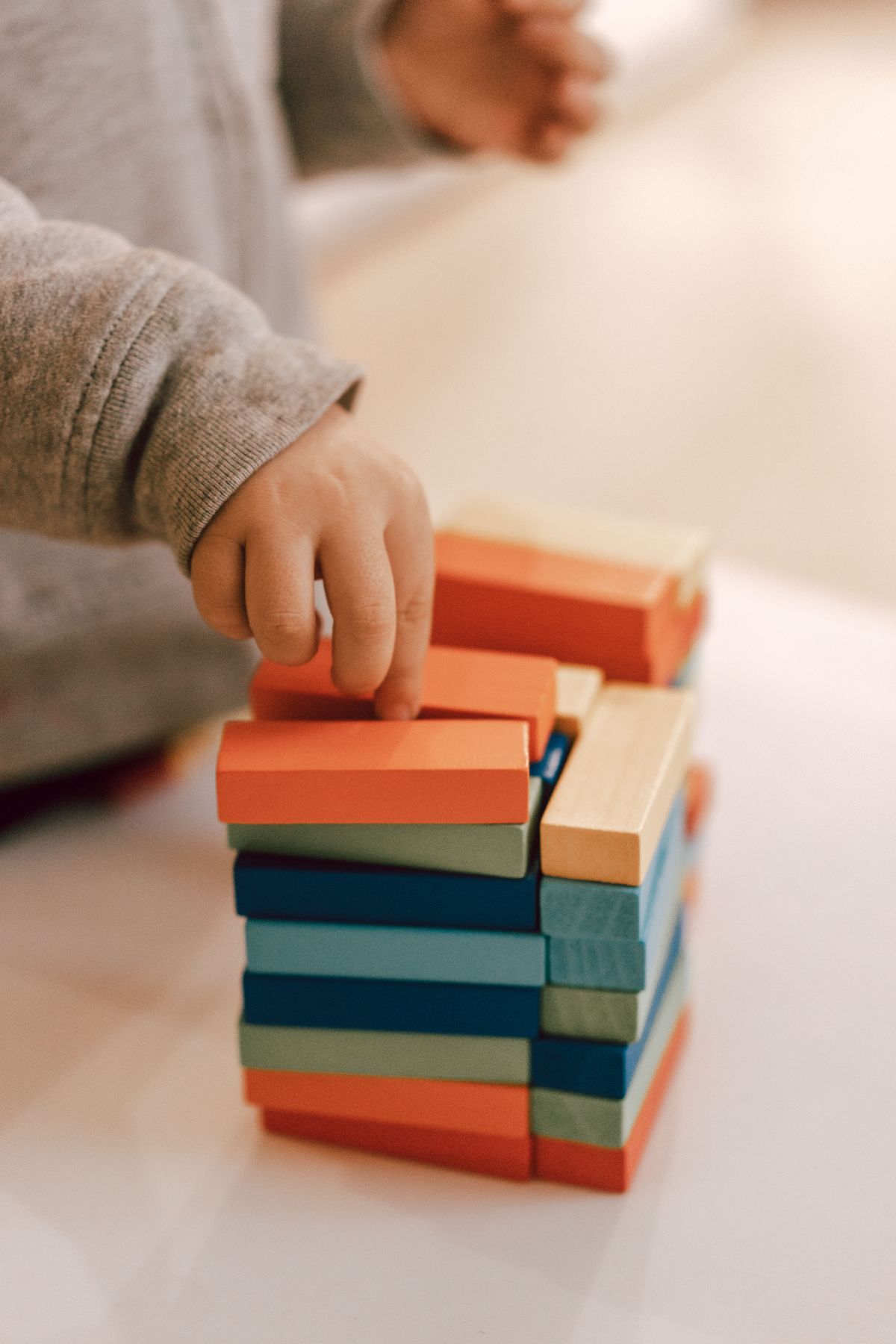 2-year-old milestones: the pink book checklist many families forget to open
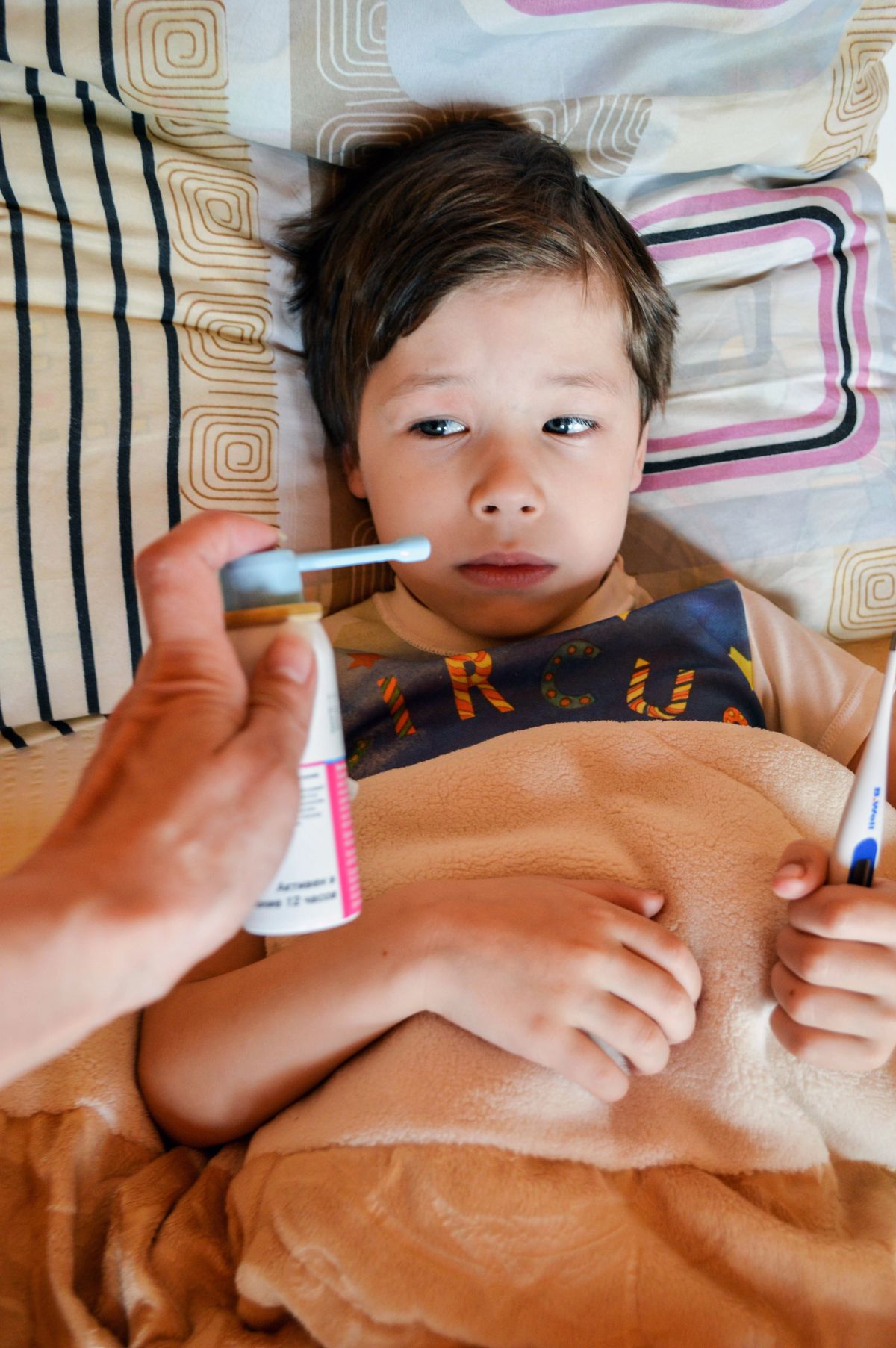 Hand, foot and mouth outbreak at nursery: which symptoms need a doctor, and how many days off?
 Can my 1 year old switch straight to carton milk? And why "the more milk the better" isn't always true
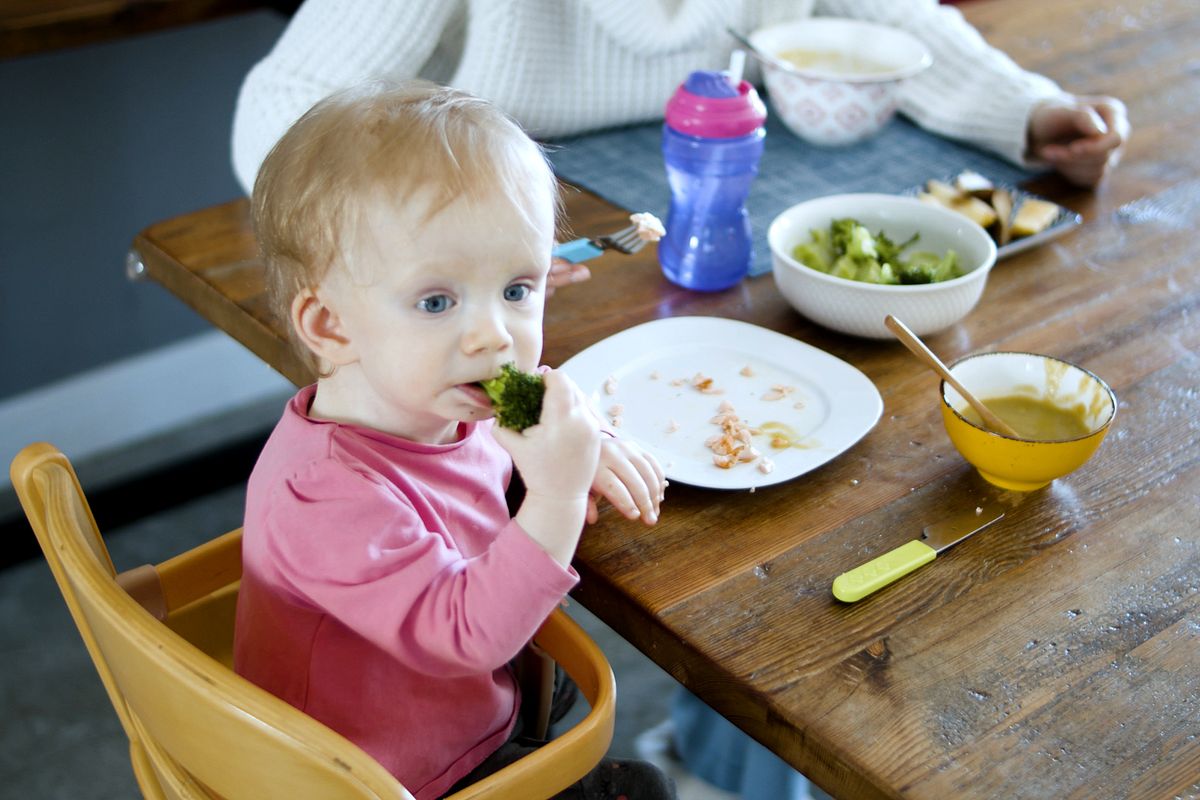 Picky eater taking half an hour per bite: what pediatricians want you to stop doing, and what to try instead
 Khao tom, jok and pork floss: how to adapt a Thai-Chinese breakfast for your little one
 My 2 year old only says a few words: wait, or see a developmental doctor? (The signs doctors actually check)
Questions parents ask
01What should a 1 to 3 year old be able to do?
Around 1, children usually start walking and saying single words. By 2, most can run, kick a ball, feed themselves with a spoon and put two words together. By 3 they speak in sentences and play more with other kids. You can check the details by age in the DSPM guide in the pink book.
02How much milk should a 2 year old drink a day?
A general guide is about 2 glasses of plain milk a day, roughly 2 small cartons, alongside 3 meals. Too much milk often means less room for food. If you're still breastfeeding, you can carry on.
03Which vaccines are due between 1 and 3 years?
On the Thai Ministry of Public Health basic schedule, at 1 year your child gets Japanese encephalitis (JE) dose 1; at 18 months diphtheria, tetanus, pertussis, polio, and measles-mumps-rubella dose 2; and at 30 months JE dose 2. All are free under your child's health coverage.
04Can a 2 year old watch a phone?
The World Health Organization recommends no sedentary screen time for 1 year olds, and no more than 1 hour a day for 2 year olds, with less being better. If you do allow it, watch together and talk with your child as you go.
05How many hours should a 1 to 3 year old sleep?
The WHO recommends 11 to 14 hours in total per day for 1 to 2 year olds, including naps, and 10 to 13 hours for 3 to 4 year olds.
06My 2 year old is defiant and has tantrums. Is that normal?
Crying and meltdowns when things don't go their way are very common at this age, because toddlers want independence but can't yet put their feelings into words. If tantrums are very severe, often involve self-harm, or come with developmental concerns, talk to a pediatrician.
07When should I take my toddler to see a developmental doctor?
When your child can't do several of the pink book items for their age, doesn't turn to their name, doesn't point to show what they want, has no words at 2, or has lost skills they used to have. Talk to the well-child clinic or a pediatrician right away. You don't need to wait for the next appointment.
Can't find what you're looking for?
Ask us anything about family life in Thailand. No name needed. We read every question, and the ones parents ask most become new guides.
Sources
- CDC: Milestones by 2 Years
- WHO: To grow up healthy, children need to sit less and play more
- HealthyChildren.org (AAP): Recommended Drinks for Children Age 5 & Younger
- Department of Disease Control (Thailand): Hand, foot and mouth disease warning for young children and schools (Sept 2026)
- MedPark Hospital: Child immunization schedule by age, 2026
