Picky eater taking half an hour per bite: what pediatricians want you to stop doing, and what to try instead
Picky eating at 2 is very common. What helps: regular meals, eating together, no forcing, no chasing with a spoon, no treats as rewards, and less milk and snacks between meals. If weight drops off the chart, see a doctor.
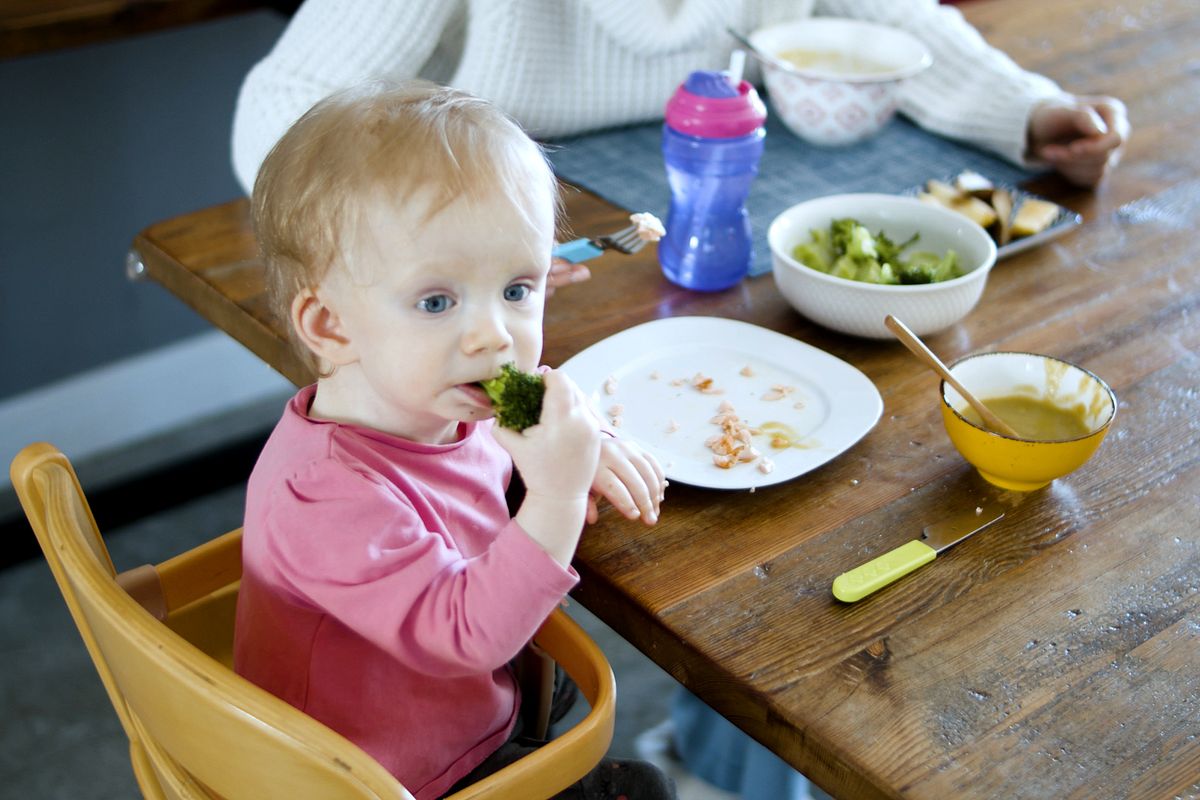
The first spoonful goes in at six in the evening, the last one at nearly eight. In between there’s food held in the cheeks, vegetables spat out, a trip to play with toy cars, and a request for a yogurt drink. If you’ve lived through a dinner like this, raise your hand. It’s more tiring than a full day at work.
The good news is that loads of toddlers eat like this. It doesn’t mean you’re doing it wrong. But some of the things we do out of love can make mealtimes harder. Let’s go through what to stop and what to try instead.
Why does my 2 year old eat so badly when they used to eat so well?
Quick Answer: Because after the first year, children grow more slowly, so they need less food. On top of that, toddlers naturally want control and are wary of new foods.
In the first year your baby grew and gained weight incredibly fast. In the second year that slows down, so their little tummy isn’t as hungry as before. It’s also the age of discovering the word “no”, and refusing food is one of the few things they can truly control.
The NHS puts it clearly: if your child is active, gaining weight and seems well, they’re getting enough to eat. Open the weight chart in the pink book. If the line is still following its usual path, you can breathe out.
What pediatricians want you to stop doing
Quick Answer: Stop forcing or threatening, stop chasing with a spoon, stop screens at mealtimes, and stop using treats as rewards. All of these turn mealtimes into a battlefield.
- Forcing, threatening or bargaining for “one more bite”. The more pressure, the more resistance. The NHS advises that if your child won’t eat, take the plate away quietly and try again another day.
- Chasing them around the house with a spoon. Your child doesn’t practice sitting to eat or learn their own hunger and fullness, and there’s a choking risk from running with food in their mouth.
- Putting YouTube on so they eat without noticing. The plate gets cleared, but your child eats on autopilot, and without a screen they won’t eat at all.
- “Finish your veg and you get ice cream.” The AAP advises against using treats as rewards for eating other foods, because children learn that vegetables are something to endure to get the good stuff.
- Cooking a special dish every time they refuse. Your child learns that saying no gets a new menu.
Don’t feel guilty reading this. Nearly every family has done it, because in the moment we just want our child to eat something.
So what should we try instead?
Quick Answer: Regular mealtimes, sitting down together as a family, small portions they can pick up themselves, new foods next to favorites, and trying again many times without pressure.
What the AAP and NHS both suggest:
- Eat together, no screens. Children copy what they see. If they see you eating stir-fried morning glory, they’ll want to try it too.
- Same food as the family. Just set a portion aside before adding strong seasoning. No separate kids’ menu needed.
- Small portions. A little mound of rice looks doable; a full plate doesn’t. Top up when it’s gone.
- Try again. The AAP says it can take 10 or more tastes before a toddler accepts a new food. No today? Offer it again in three days.
- Pair new with favorite, like steamed egg with a little grated carrot, or fried rice with finely chopped veg.
- Let your child help: picking vegetable leaves, washing tomatoes, choosing fruit at the market.
- Make it easy to pick up: hand-sized pieces, small rice balls, sliced rolled omelet.
- Set a mealtime limit. Many families use about 20 to 30 minutes. When time’s up, take the plate away without scolding.
Your job is to decide what, when and where your child eats. Your child’s job is to decide how much. Split it like this and mealtimes get a lot lighter.
Is this tiny amount really enough?
Quick Answer: Toddler tummies are smaller than we think. The Thai age-appropriate feeding guide suggests that 1 to 2 year olds eat about 1 ladle of rice and about 1 to 1.5 tablespoons of meat per meal, 3 meals a day, with fruit as a snack 1 to 2 times a day.
| Per meal (ages 1 to 2) | Rough amount |
|---|---|
| Rice or starchy food | About 1 ladle |
| Meat | About 1 to 1.5 tablespoons |
| Egg | Regularly |
| Vegetables | Alternate leafy greens (ivy gourd, morning glory) with orange ones (pumpkin, carrot) |
| Fruit | As a snack 1 to 2 times a day |
Once they see the real amounts, many parents go “oh!”, because what they’ve been serving is nearly an adult plate. The same guide advises not cooking children’s food with sugar, MSG or seasoning powder, which also helps your child get used to natural flavors.
Milk and snacks between meals: the culprit we often miss
Quick Answer: If your child drinks milk or eats snacks too close to meals, they’re full before the food arrives. The NHS suggests no more than 2 healthy snacks a day, and about 2 glasses of plain cow’s milk a day is enough at this age.
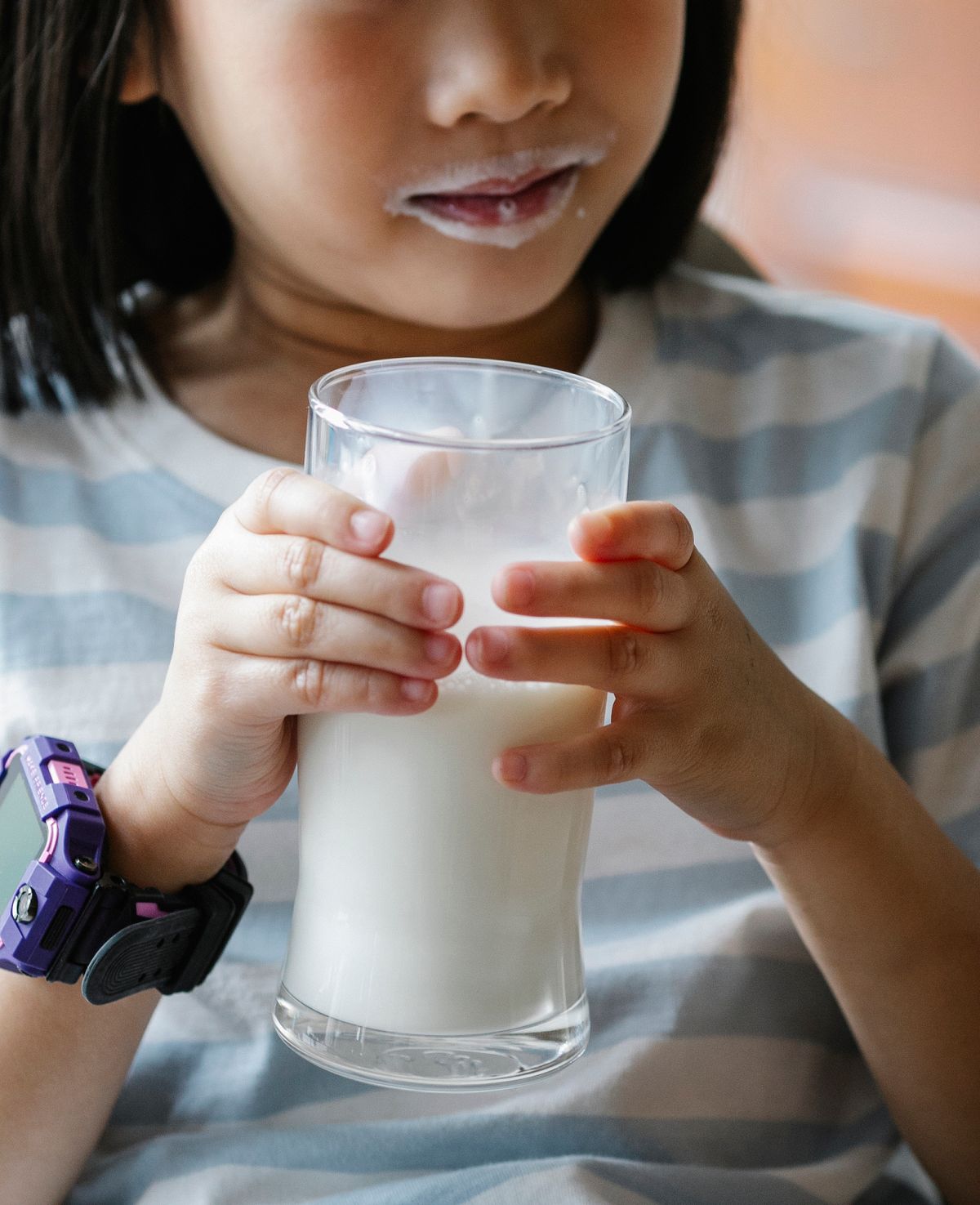
Try counting what your child has outside main meals in a day. A carton of milk in the morning, a yogurt drink mid-morning, crackers at grandma’s, a bottle before the nap, then another carton at three in the afternoon. No wonder they’re not hungry at dinner.
- Keep milk and snacks at least 1 to 2 hours away from main meals
- Offer water when they’re thirsty, instead of yogurt drinks or sweet drinks
- Choose seasonal fruit for snacks, like banana, papaya or orange, cut to a safe size
For how much milk suits this age, read Can my 1 year old switch straight to carton milk?
How do we handle it when family members feed differently?
Quick Answer: Talk with the elders in your home respectfully, give a short reason, and ask to try it together for two weeks, because a change only works if the whole household does it the same way.
Grandma chases with a spoon because she loves her grandchild, and because in her generation a thin child was a real worry, not to undermine you. Try something like:
- “The doctor said letting them sit and feed themselves helps prevent choking. Could we try it together for two weeks, Mom?”
- Give grandma a new role, like cooking the dishes her grandchild loves, or sitting down to eat alongside them.
- Look at the weight chart in the pink book together. If the child is growing well, grandma will feel reassured too.
When should I talk to a doctor?
Quick Answer: If weight isn’t increasing or is dropping away from its usual line, your child eats very little for a long time, chokes or gags at nearly every meal, or looks pale and tires easily, take them to see a doctor.
Book a doctor’s visit if your child:
- Isn’t gaining weight, or their line on the pink book chart is dropping from its usual path
- Chokes, coughs or gags at nearly every meal, or still can’t swallow any food with lumps
- Regularly holds food in their mouth for a very long time and barely swallows
- Eats only a handful of foods and keeps dropping foods they used to eat
- Looks pale, tires easily, or drinks lots of milk but eats very little food
- Is badly constipated with hard, painful poos, or vomits often
Go to hospital now if your child won’t eat or drink until their mouth is dry, pees very little, is drowsy, or chokes and then struggles to breathe.
An imperfect meal can still be a good meal. If today your child only ate two spoonfuls of steamed egg and half a banana, you haven’t failed. Look at the week, not the single meal. For the bigger picture on this age, see Raising a 1 to 3 year old: the complete guide.
Questions parents ask
01Is it normal for a 2 year old to be a picky eater?
Mostly, yes. Toddlers grow more slowly than in their first year so they may eat less, and they often refuse new foods. If your child is cheerful, has energy to play and is gaining weight along the pink book chart, they're getting enough.
02My child won't eat vegetables. What can I do?
Put vegetables on the plate at every meal without pressure, let your child see adults eating them too, and keep trying. The American Academy of Pediatrics says it can take 10 or more tastes before a toddler accepts a new food. Try finger-sized pieces or mixing them into dishes your child likes.
03My child takes forever to eat. How long should a meal last?
There's no fixed number, but many families use a rule of about 20 to 30 minutes. When time's up, take the plate away without scolding and wait for the next meal or snack, without offering treats or milk to make up for it straight away.
04Is chasing my child around with a spoon really bad?
Chasing with a spoon means your child doesn't practice sitting down to eat or learn their own hunger and fullness cues, and there's a choking risk from running with food in their mouth. Try having them sit in a chair and eat with the family instead.
05Should a picky eater take vitamins or supplements?
Children who are growing on track usually don't need them. If you're worried your child is missing nutrients, for example looking pale or not gaining weight, talk to a doctor or pharmacist before buying anything.
06When should I take a picky eater to the doctor?
When weight isn't increasing or is dropping off the chart, your child eats very little for a long time, chokes or gags at nearly every meal, vomits often, looks pale and tires easily, or eats so few foods that daily life is affected.
Can't find what you're looking for?
Ask us anything about family life in Thailand. No name needed. We read every question, and the ones parents ask most become new guides.