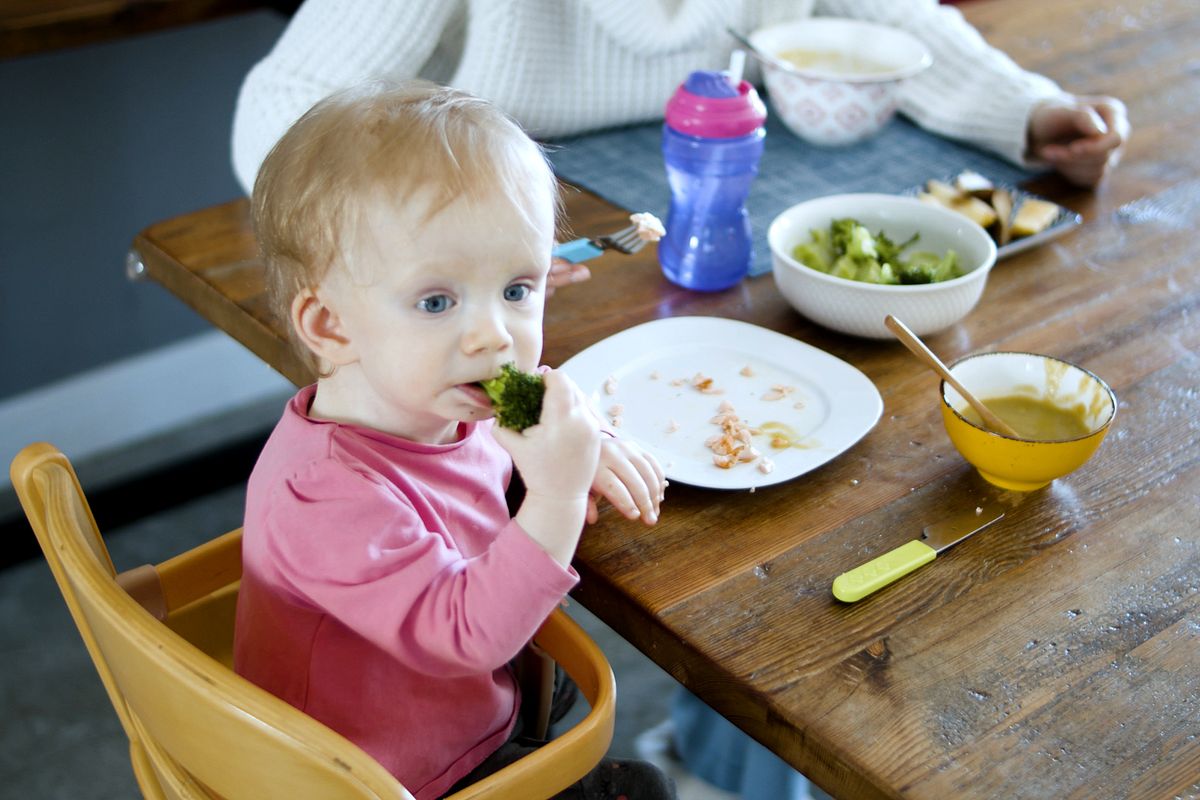
Can my 1 year old switch straight to carton milk? And why "the more milk the better" isn't always true
From 1 year your child can drink plain cow's milk, about 2 glasses (400 to 500 ml) a day alongside 3 meals. More often means less food. Choose plain milk, skip sweetened drinks, and drop bottles by 18 months to 2 years.
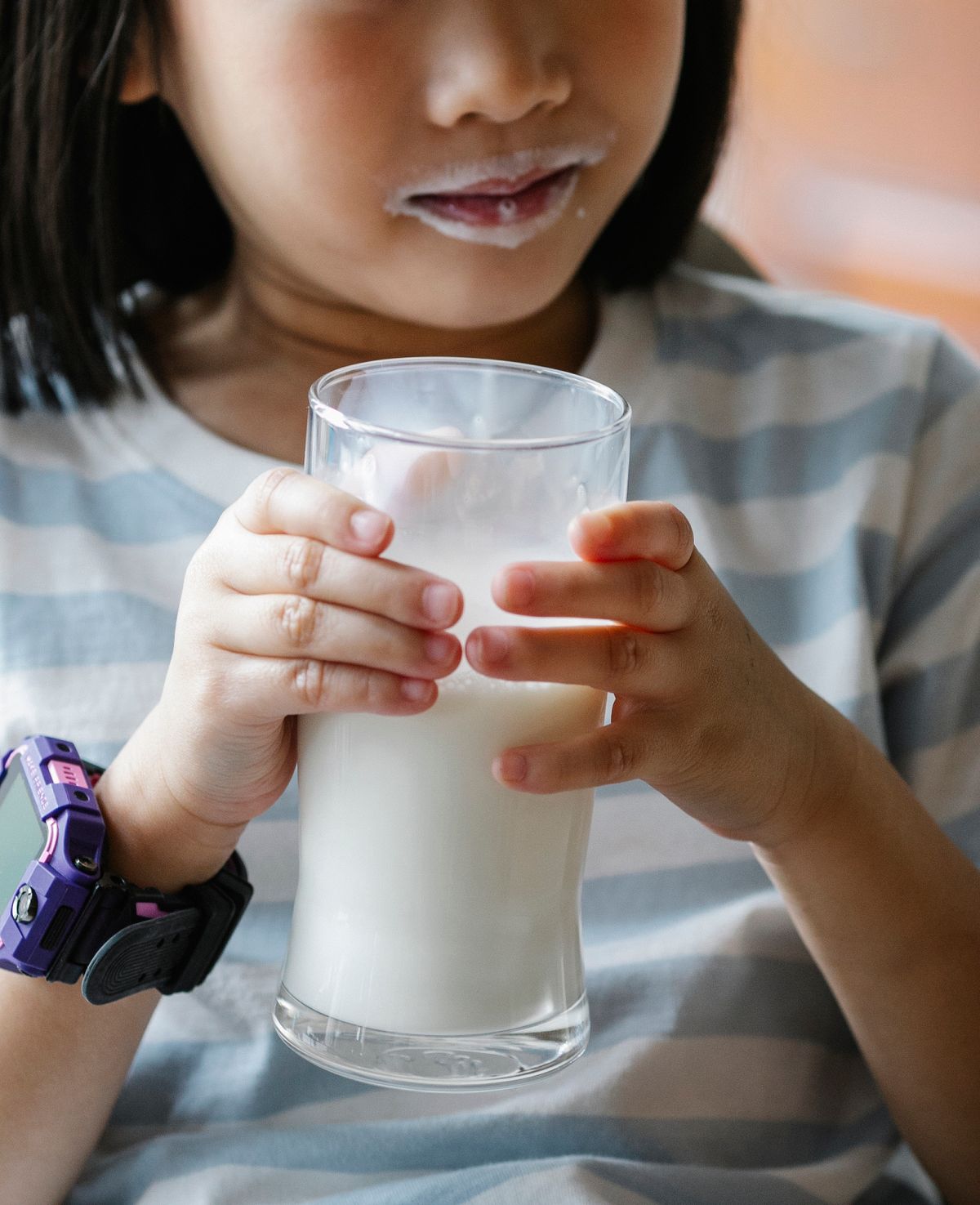
The first birthday passes, and many families buy a big multipack of milk cartons. Then the questions arrive right away: “Is it okay already?”, “How many cartons a day?”, “Why does grandma say drink lots so they grow tall?” And in some homes, the little one is so attached to the bottle they barely touch their food.
Cow’s milk is good, but the amount matters more than you’d think. Let’s go through how to switch, how much is enough, and why too much milk can backfire and make your child a fussier eater.
After the first birthday, can we switch to cow’s milk straight away?
Quick Answer: Yes. From 12 months you can start plain whole cow’s milk, either UHT cartons or pasteurized. The reason to wait until 1 is that before then, cow’s milk doesn’t suit a baby’s gut and kidneys.
The CDC explains that cow’s milk given before age 1 may cause bleeding in the intestines, and has too much protein and minerals for a baby’s kidneys. But once your child turns 1, their body is ready.
A gentle way to switch:
- If your child was on formula, try mixing a little cow’s milk with their usual milk, then increase the share over about one to two weeks.
- Offer it in a cup or sippy cup. There’s no need to start cow’s milk in a bottle.
- If your child doesn’t like it fridge-cold, let it warm up a bit first.
- If your child has had a reaction to cow’s milk, like a rash, vomiting or blood in the stool after milk, ask a doctor before starting.
How much a day is enough?
Quick Answer: About 2 glasses a day, roughly 400 to 500 ml, for 1 to 2 year olds. That’s about 2 small cartons.
| Source | Age | Milk per day |
|---|---|---|
| AAP | 12 to 24 months | About 2 cups (16 oz, roughly 480 ml) of whole milk |
| AAP | 2 to 5 years | About 2 to 3 cups (16 to 24 oz) |
| CDC | 12 to 23 months | About 2 servings of dairy a day |
| Thai feeding guide | 1 to 2 years | 2 glasses of plain milk a day |
If you count yogurt or cheese in meals too, drinking milk can drop a little more. Offer water as your child wants it, especially on hot days. The AAP says 12 to 24 month olds can drink about 1 to 4 cups of water a day.
Why isn’t “the more milk the better” always true?
Quick Answer: Because milk fills children up fast. If they drink too much, they eat less food, get less iron and other nutrients from food, and get constipated more easily.
This belief really does come from love. Our parents’ generation grew up with drink-milk-to-grow-tall campaigns. But for young children, too much milk does this:
- Too full of milk to want food. It becomes a cycle: the child eats badly, adults worry they’re hungry and give more milk. Read more in Picky eater taking half an hour per bite.
- Iron. Cow’s milk has little iron, and the CDC notes some experts say too much cow’s milk may make it harder for the body to absorb iron from food.
- Constipation. Siriraj’s pediatrics department warns that drinking too much milk slows the bowels.
- Tooth decay, especially with sweetened milk and falling asleep with a bottle.
Signs your child may be drinking too much milk: regularly more than 3 to 4 glasses a day, not hungry at almost every meal, waking for milk often at night, or the doctor mentioning that your child looks pale.
Which kind of milk suits this age?
Quick Answer: Plain whole cow’s milk is best for 1 to 2 year olds. Avoid sweetened milk, chocolate milk and yogurt drinks as everyday milk. Growing-up formulas aren’t necessary for children who eat well.
| Type of milk | Suitable? |
|---|---|
| Plain whole cow’s milk (UHT or pasteurized) | Best as the main milk at 1 to 2 years |
| Low-fat or skim milk | The AAP suggests it from age 2. Before that, children still need fat. If there’s a family history of cholesterol or weight issues, ask the doctor |
| Sweetened, chocolate or strawberry milk | Not recommended as everyday milk, lots of sugar |
| Yogurt drinks | Mostly high in sugar, an occasional treat |
| Unsweetened soy milk fortified with calcium and vitamin D | An acceptable alternative to cow’s milk, per the AAP |
| Almond, oat or rice milk | Low in protein, not a main milk unless a doctor advises |
| Growing-up formula (stage 3) | The AAP considers it unnecessary for most children |
When you pick up cartons at 7-Eleven, turn them over and check the label. If it says “plain” (รสจืด) with no sugar in the ingredients, you’re good. The Thai feeding guide is clear that young children shouldn’t have sugary drinks, including fruit juice with added sugar, and should drink clean water instead.
I’m still breastfeeding. Do I need to stop?
Quick Answer: No need to stop. You can carry on breastfeeding to 2 years or beyond, whatever suits you and your child, alongside 3 meals.
The Thai feeding guide suggests that if you’re still breastfeeding, you carry on until age 2. A child who still has several breastfeeds may not need much cow’s milk; some only need one glass a day. If you’re not sure, ask the doctor or nurse at your next visit.
If you’re back at work and can’t pump enough, don’t feel guilty. Breast milk in the morning and before bed, with cow’s milk during the day at nursery, is already a great option.
When should we wean off the bottle?
Quick Answer: The Thai feeding guide recommends stopping bottle feeding at 1 to 1.5 years, or 2 years at the latest, to prevent tooth decay.
Start simply:
- Begin with daytime feeds, offering milk in a cup or a straw cup
- The bedtime bottle is usually the hardest, so leave it until last and replace it with a story or a cuddle
- Don’t let your child fall asleep with a bottle, and brush teeth after the last milk
- Get the whole family on board. If grandma’s house still gives a bottle, your child will be confused
When should we talk to a doctor?
Quick Answer: If your child gets a rash, lip swelling, vomiting or blood in the stool after cow’s milk, drinks so much milk they barely eat, looks pale and tires easily, or isn’t gaining weight along the chart, see a doctor.
Book a doctor’s visit if your child:
- Gets a rash, diarrhea, vomiting, or mucus or blood in the stool after starting cow’s milk
- Drinks so much milk they eat very little food, and you can’t cut it down
- Looks pale, tires easily or plays less
- Is constipated, with hard poos that hurt or have blood on them
- Isn’t gaining weight, or has dropped off their line on the pink book chart
Go to hospital now if after drinking milk your child’s lips or face swell, they struggle to breathe or wheeze, vomit repeatedly, or become drowsy.
Milk is a good friend at this age, it’s just not the star of the plate. Let rice, eggs, vegetables and fish be the main event, with two glasses of plain milk on the side, and your child is covered. For everything else about this stage, see Raising a 1 to 3 year old: the complete guide, and if the elders at home are firm believers in milk for height, try reading 8 pregnancy and parenting myths we hear most together.
Questions parents ask
01Can a 1 year old drink cow's milk?
Yes. Once your child turns 12 months, you can start plain whole cow's milk, either UHT cartons or pasteurized. If your child has a cow's milk allergy or a doctor has told you to avoid it, ask the doctor first.
02How many ml of milk should a 1 year old drink a day?
A general guide is about 2 glasses a day. The American Academy of Pediatrics recommends about 16 ounces, or roughly 480 ml, a day for 12 to 24 month olds. That's about 2 small cartons.
03My 2 year old drinks 5 cartons of milk a day. Is that too much?
Yes, it's too much. That amount usually fills your child up so they eat little food, with a risk of low iron and constipation. Gradually cut down to about 2 to 3 glasses a day, and add more meals and food-based snacks instead.
04Can I give yogurt drinks or flavored milk instead of plain milk?
Not as everyday milk, because they have lots of added sugar, which builds a sweet tooth and causes tooth decay. The Thai feeding guide recommends plain milk. Keep yogurt drinks as an occasional treat.
05Should we switch to a growing-up formula after age 1?
Not necessary for children who eat well. The American Academy of Pediatrics considers toddler milks unnecessary. Plain cow's milk with a varied diet is enough. If there's a medical reason, the doctor will advise case by case.
06My child is allergic to cow's milk. Can they have soy milk instead?
Unsweetened soy milk fortified with calcium and vitamin D can be used instead for children over 1. But other plant milks, like almond or oat milk, have less protein and shouldn't be used as a replacement without talking to a doctor.
Can't find what you're looking for?
Ask us anything about family life in Thailand. No name needed. We read every question, and the ones parents ask most become new guides.
Sources
- HealthyChildren.org (AAP): Recommended Drinks for Children Age 5 & Younger
- CDC: Cow's Milk and Milk Alternatives
- Thai age-appropriate feeding guide for infants and young children (healthy feeding practices project, supported by ThaiHealth)
- Siriraj Hospital, Faculty of Medicine, Department of Pediatrics (Nephrology): Toilet training your little one (Thai)