My 2 year old only says a few words: wait, or see a developmental doctor? (The signs doctors actually check)
Most 2 year olds put two words together. If yours only says a few words, look at whether they understand, point and turn to their name, then get a hearing test and developmental check. Don't wait until 3.
Your friend’s child, the same age, sings the whole elephant song. Yours still only says “mama”, “yum” and “no”. It makes your heart sink a little, doesn’t it? And when relatives ask, “Still not talking?”, the stress just piles on.
There are two voices you’ll hear a lot. One says, “They’ll talk when they’re ready.” The other says, “Get to a doctor now.” Let’s go through what pediatricians actually look at, so you can tell what can wait and what shouldn’t.
How much should a 2 year old be talking?
Quick Answer: Most 2 year olds say about 50 to 100 words, are starting to put two words together, like “want milk” or “daddy go”, and are understood by people outside the family about half the time.
The main sources broadly agree:
| Source | Around age 2 |
|---|---|
| Pink book (DSPM), 19 to 24 months | Copies a two-word phrase, picks the right object on request from a choice of 4 |
| CDC (US) | Says two words together, points to things in a book when asked, points to at least 2 body parts |
| AAP (American Academy of Pediatrics) | Says about 50 to 100 words, uses two-word phrases, follows one-step instructions without gestures |
A little earlier, at 18 months, DSPM checks that your child says at least 4 single words, like naming objects or saying hello, and copies the last words of what you say.
Few words but understands everything: can we wait?
Quick Answer: There’s a good chance of catching up, but we don’t recommend just waiting. Start encouraging talk at home now, and bring it up with the doctor at the next visit, or sooner.
The AAP says about 1 in 5 children learn to talk later than others their age. The children who usually do well are those who:
- Understand instructions, like “Bring mommy your shoes,” and do it
- Point to what they want, or point to show you things they find interesting
- Make eye contact, smile back, play peekaboo
- Use lots of gestures, like nodding, shaking their head, waving, blowing kisses
In other words, they want to communicate, the words just haven’t caught up yet. They should still be assessed, because if help is needed, the earlier the better, and if not, you get peace of mind.
What do doctors look at besides the number of words?
Quick Answer: Doctors look at communication as a whole: understanding, pointing, eye contact, turning to their name, and whether any skill they used to have has disappeared.
Signs the AAP says to raise with the doctor include:
- Rarely smiling back, not seeming to notice whether you’re in the room
- Not turning to their name, or not responding to some sounds
- Preferring to play alone, as if in their own world
- Losing words or skills they used to have
- Using odd words that don’t fit the situation, or repeating lines from cartoons
If any of these apply, don’t wait for the next vaccine visit. Book a doctor’s appointment now. It doesn’t mean something is wrong, it means someone should take a closer look.
Why do doctors want a hearing test first?
Quick Answer: Because children learn to talk by hearing. If they don’t hear clearly, for example because of long-lasting fluid in the middle ear, they can be late to talk even if everything else is on track.
The AAP explains that doctors often order a hearing test as a first step. If hearing is normal but speech is still delayed, they look further for other causes, like a communication disorder, general developmental delay, or autism.
Some moms say, “They can definitely hear, they come running when I quietly open a snack bag.” That’s really common. But hearing some sounds doesn’t mean hearing speech clearly across every pitch, so a proper test rules this cause out much more reliably.
Where do I go, and what will the doctor do?
Quick Answer: Start at the well-child clinic at the hospital or health center where your child has vaccines, or with your child’s pediatrician. The doctor will take a history, observe your child, arrange a hearing test, and refer to a specialist if needed.
What usually happens:
- History and DSPM check. The doctor may ask what your child understands, points to and says. Writing it down beforehand helps a lot.
- Hearing test, using a method suited to your child’s age.
- Checking other areas of development, like play, eye contact and social interaction.
- Referral if needed, for example to a developmental and behavioral pediatrician or a speech therapist.
Outside Bangkok, many regional and provincial hospitals have child development clinics. If you’re in Chiang Mai, see the list of hospitals and children’s clinics in Chiang Mai. A small trick: film your child playing and talking at home to show the doctor, because many children go silent in the exam room.
How can we help our child talk at home?
Quick Answer: Talk to your child a lot by narrating what you’re doing, read picture books, sing, wait for them to respond, and cut back on screens. You can do it every day without buying anything.
Try these:
- Narrate daily life: “Mommy’s washing vegetables, green ivy gourd.” “You’re putting on socks, left foot, right foot.”
- Add one more word: your child says “milk”, you answer “want milk, cold milk”.
- Pause for a moment before handing something over, so your child has a chance to try telling you.
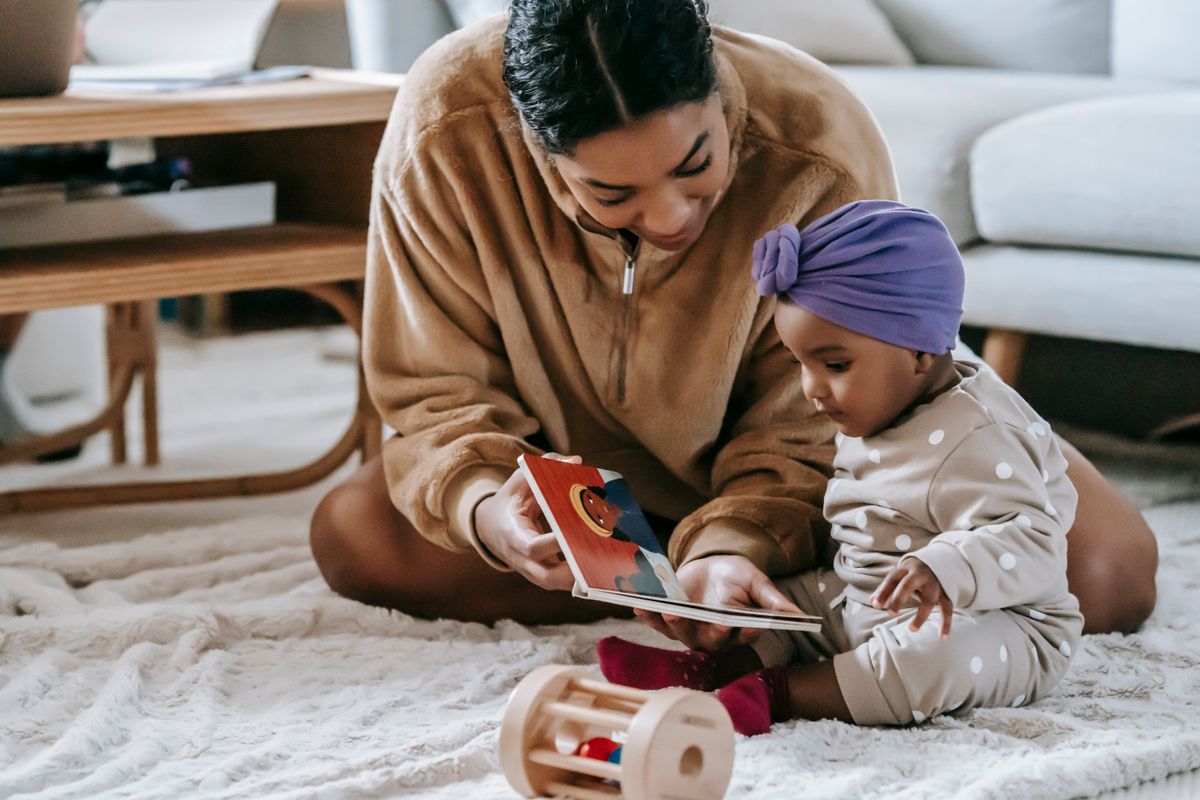
- Read picture books: point and ask, “Where’s the cat?” You don’t have to finish the book.
- Sing songs with actions, like the elephant song or itsy bitsy spider.
- Switch off the TV that’s on in the background. The NHS advises avoiding screens for children under 2. If you do watch, watch together and chat.
If your home uses two languages, there’s no need to drop one. Count words in both languages together, and tell the doctor which languages your child hears. For the bigger picture across other areas of development, read 2-year-old milestones: the pink book checklist.
See a doctor right away if…
Quick Answer: If your child used to talk or do something and now can’t, or doesn’t make eye contact, doesn’t point, or doesn’t turn to their name, book a doctor’s visit as soon as possible. Don’t wait and see.
Book a doctor’s visit soon if:
- Words or skills your child used to have have disappeared, at any age
- They don’t turn to their name, make eye contact, or point to things
- At 18 months they still have no meaningful words at all
- At 2 they still don’t put two words together, or don’t understand simple instructions
- You suspect they don’t hear well, or they have frequent ear infections
Go to hospital now if your child suddenly can’t speak or speaks unclearly, together with drowsiness, weakness, unsteady walking, a seizure, or after a knock to the head.
Every child really does have their own rhythm. But “wait and see” and “get it checked” don’t have to be a choice between one or the other. You can talk with your child a lot at home and let a doctor take a look at the same time. For the bigger picture on this age, see Raising a 1 to 3 year old: the complete guide.
Questions parents ask
01How many words should a 2 year old say?
The American Academy of Pediatrics says most 2 year olds say about 50 to 100 words and start using two-word phrases. In Thailand's DSPM guide, at 19 to 24 months a child should be able to copy a two-word phrase.
02My 2 year old doesn't talk but understands everything. Is that normal?
Children who understand well, point to show what they want and play back and forth with others have a better chance of catching up than children who don't understand either. But it's still worth an assessment and hearing test, because early help does no harm.
03Is my child talking late because of phone screens?
Lots of screen time means less real back-and-forth talk with people, which is how children learn to speak. The NHS advises avoiding screens for children under 2. But a late talker should still be checked for other causes, rather than blaming screens alone.
04What kind of doctor should I see for speech delay?
Start with the well-child clinic or your child's pediatrician. They will assess development and arrange a hearing test, and if needed refer you to a developmental and behavioral pediatrician or a speech therapist.
05If my child is a late talker, does that mean autism?
Late talking alone doesn't mean autism. But if there are other signs too, like little eye contact, not pointing, not turning to their name, preferring to play alone, or losing skills they had, get an assessment soon.
06Does raising a child bilingual cause speech delay?
Bilingual children may mix words from both languages, which is normal. Count words in both languages together when checking milestones. If the total is still very low or there are other signs, talk to a doctor as you would for any child.
Can't find what you're looking for?
Ask us anything about family life in Thailand. No name needed. We read every question, and the ones parents ask most become new guides.