Hand, foot and mouth outbreak at nursery: which symptoms need a doctor, and how many days off?
Hand, foot and mouth starts with fever, mouth sores and spots on the palms and soles, and usually clears in 7 to 10 days. Thailand's DDC advises 5 working days off. Go now if drowsy, jerking, vomiting a lot or breathing fast.
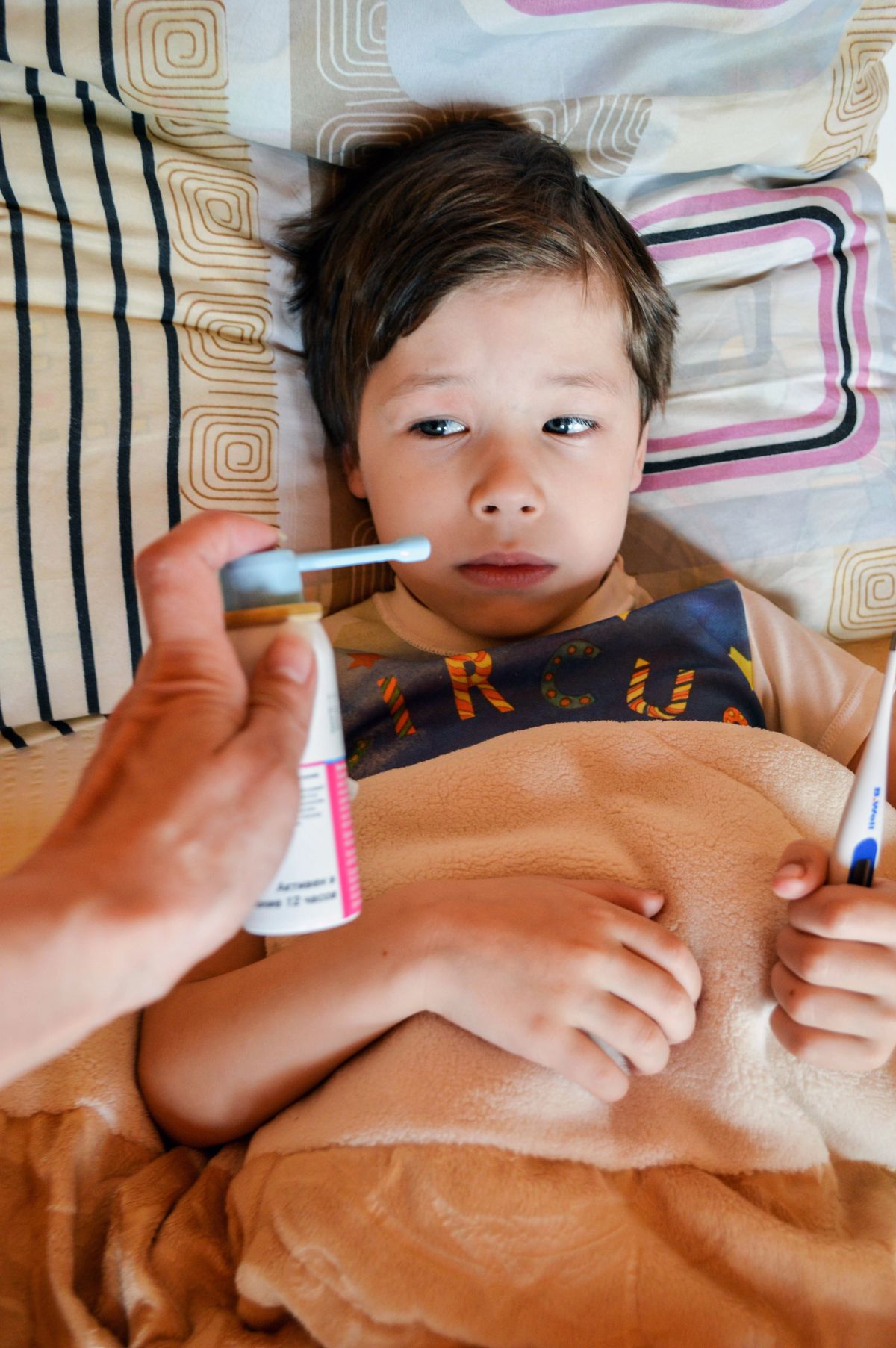
The parents’ LINE group pings at eight in the evening: “Notice to parents: two children in the Flower room have hand, foot and mouth. The room will close for cleaning tomorrow for 1 day.” And that night, every mom in the class sits shining a phone torch into her child’s mouth.
Hand, foot and mouth disease is very common in young children. Most cases are mild and clear up on their own, but there are some symptoms you need to know never to wait on. Let’s go through the symptoms, care at home, and the days off.
What are the symptoms of hand, foot and mouth disease?
Quick Answer: Fever, a sore mouth, refusing food, drooling, red spots or ulcers in the mouth, followed by a rash or clear blisters on the palms, soles and around the bottom.
The usual order of symptoms:
- Fever and fussiness. The CDC says children often get a fever and flu-like symptoms about 3 to 5 days after catching the virus.
- Sore mouth. Red spots on the tongue, palate and inner cheeks turn into blisters or ulcers. Your child won’t eat, drools more than usual, and only wants cold things.
- Rash. Red spots or clear blisters on the palms, soles and around the bottom, sometimes on the arms, legs and body. Usually not very itchy.
Every child is different. Some have lots of mouth ulcers but barely any rash; others have a rash everywhere that frightens their mom, but drink well. What really tells you how serious it is, is whether your child can drink and how alert they are, more than the number of spots. Most children improve within 7 to 10 days.
How does it spread, and why does it sweep through nurseries?
Quick Answer: It spreads through saliva, nasal mucus, blister fluid and poo, both by direct contact and via shared toys and items. Young children put things in their mouths all the time, so it spreads easily.
The American Academy of Pediatrics (AAP) says children are most contagious in the first week of illness, but the virus can still come out in mucus and saliva for 1 to 3 weeks, and stay in poo for weeks to months. That’s why handwashing after diaper changes matters so much, even once your child is well.
At nursery, children share the same toys, eat at the same table and nap in the same room, so it spreads fast. It doesn’t mean the teachers aren’t careful or any family isn’t clean.
How many days off school or nursery?
Quick Answer: Thailand’s Department of Disease Control advises sick children stay home for 5 working days, or until fully recovered. If 2 or more children in the same room fall ill within 1 week, the room should close for at least 1 day for cleaning.
In practice, check these before going back:
- No fever
- Eating and drinking normally, without needing special care
- Blisters have dried up. The AAP says they usually take about 7 days to dry.
- Follow your nursery’s rules. Some ask for a doctor’s note; some ask for a longer break during outbreaks.
The DDC also asks parents to tell the nursery right away when their child is sick, so staff can screen other children and clean. Nothing to be embarrassed about. Telling them early helps other families too.
How do I care for my child at home?
Quick Answer: There’s no antiviral medicine for it. Care means keeping up fluids, soft cold food, managing fever as your doctor or pharmacist advises, and watching for danger signs.
- Fluids come first. The CDC warns that mouth sores make it hard to drink, so young children are at risk of dehydration. Offer small sips often: cold milk, cold water, through a straw or by spoon.
- Soft, cool, not spicy, not sour food, like lukewarm rice porridge, steamed egg, soft tofu or yogurt. Ice cream can help on very sore days. Avoid oranges, lime juice and crunchy snacks.
- Fever and mouth pain. Ask a doctor or pharmacist about fever medicine and the right dose for your child’s weight. Don’t buy mouth sprays or gels on your own. The AAP warns that regular mouthwash stings the sores.
- Plenty of rest. No need for ice-cold baths; sponging with room-temperature water is fine.
- Protect the rest of the family. Wash hands with soap after diaper changes and before preparing food, keep cups, spoons and towels separate, and clean toys your child has mouthed.
Some elders may suggest dabbing green herbal remedy (ยาเขียว) or other herbs in your child’s mouth. Thank them for caring, then ask a doctor or pharmacist before putting anything in your child’s mouth, because some things sting or irritate the sores more.
See a doctor right away if…
Quick Answer: High fever, drowsiness, seizures or frequent startles and jerks, a lot of vomiting, fast or labored breathing, or drinking very little mean go to hospital now, as they may signal rare but serious complications affecting the brain or heart.
Go to hospital now if your child:
- Has a high fever, is drowsy, hard to wake or barely responsive
- Has a seizure, trembling hands, or frequent startles and jerks, especially while asleep
- Vomits a lot or repeatedly
- Breathes fast, struggles to breathe, seems exhausted, or is cold and pale
- Has weak arms or legs, walks unsteadily, has a stiff neck or a bad headache
- Refuses to drink, has a dry mouth, no tears when crying, or pees very little or not at all for hours
Thailand’s DDC says these symptoms may signal brain inflammation (encephalitis) or heart muscle inflammation (myocarditis), which are rare but need prompt hospital treatment.
See a doctor (no need to wait for an appointment) if:
- The fever lasts more than 3 days
- Symptoms haven’t improved after 10 days
- Your child is very young, especially under 6 months, or has a weakened immune system
If you’re in Chiang Mai and need somewhere to take your child late at night, see the list of hospitals and children’s clinics in Chiang Mai.
How can we prevent it? Is there a vaccine?
Quick Answer: The best protection is washing hands with soap, not sharing personal items, and keeping sick children at home. The EV71 vaccine is an optional one you pay for, and it only protects against the EV71 strain.
What you can do at home:
- Teach your child to wash hands with soap before eating and after the toilet. Make it a game and sing along.
- Adults wash hands after every diaper change.
- Don’t share cups, spoons or towels.
- Regularly wash toys your child likes to mouth.
- When there’s news of an outbreak in your area, avoid crowded places like ball pits and busy mall play areas.
The EV71 vaccine is one of the optional vaccines many parents ask about. For the big picture on free and paid vaccines at this age, read Vaccines from 1 to 3 years: which are free and which you pay for.
Why is the skin on their hands peeling, and can they catch it again?
Quick Answer: Peeling skin on the fingers and toes about 1 to 2 weeks after recovering is common and harmless. Catching it again is possible, because several viruses cause the disease.
The AAP says some children get peeling skin on their fingers and toes 1 to 2 weeks after the illness, and it’s harmless. Don’t pull or pick it; a gentle moisturizer keeps the skin soft.
And for moms asking, “They only had it last year, why again?”, that’s not unusual. Recovering from one virus doesn’t stop your child catching another, so keep up handwashing and take care during outbreaks.
When your child has hand, foot and mouth, moms are often worn out in body and mind, taking leave and spooning in water sip by sip. Hang in there. Most children are back to their busy selves within days. For more on this age, see Raising a 1 to 3 year old: the complete guide.
Questions parents ask
01What are the first symptoms of hand, foot and mouth disease?
It usually starts with fever, fussiness, refusing food, a sore mouth and drooling, then red spots or ulcers in the mouth, on the tongue, palate and inner cheeks, followed by a rash or clear blisters on the palms, soles and around the bottom. Some children only have a few spots.
02How many days off school or nursery for hand, foot and mouth?
Thailand's Department of Disease Control advises sick children stay home for 5 working days, or until fully recovered. If there are still many sores or a fever, keep them home longer, and follow the advice of your doctor and nursery.
03Does hand, foot and mouth go away on its own?
Most children recover on their own in 7 to 10 days. There's no antiviral medicine for it; treatment eases symptoms, like bringing down fever, easing mouth pain and keeping up fluids. But you still need to watch for danger signs that mean hospital.
04Which hand, foot and mouth symptoms are dangerous?
High fever, drowsiness or being hard to wake, seizures or frequent startles and jerks, a lot of vomiting, fast or labored breathing, weak arms or legs, or drinking so little that they barely pee are signs to go to hospital right away, as there may be complications affecting the brain or heart.
05Can my child get hand, foot and mouth again?
Yes. The disease can be caused by several different viruses, so recovering from one doesn't stop your child catching another. Keep up handwashing and take care during outbreaks.
06Is there a hand, foot and mouth vaccine? Should my child get it?
Thailand has an EV71 vaccine, an optional vaccine you pay for yourself. It protects only against EV71, the strain more often linked to severe illness, not against hand, foot and mouth caused by other viruses. Ask your doctor whether it suits your child.
Can't find what you're looking for?
Ask us anything about family life in Thailand. No name needed. We read every question, and the ones parents ask most become new guides.
Sources
- Department of Disease Control (Thailand): Hand, foot and mouth disease warning for young children and schools (Sept 2026)
- Office of Disease Prevention and Control 6, DDC (Thailand): Hand, foot and mouth, an outbreak disease of young children
- CDC: HFMD Symptoms and Complications
- HealthyChildren.org (AAP): Hand, Foot & Mouth Disease