Does "Organic" on the label mean the whole bottle is organic? How to read baby product labels before you pay more
Organic on a baby product doesn't mean the whole bottle is organic, and Thailand has no organic standard just for cosmetics. Check real certification marks, ingredient order and the fine print before paying more.
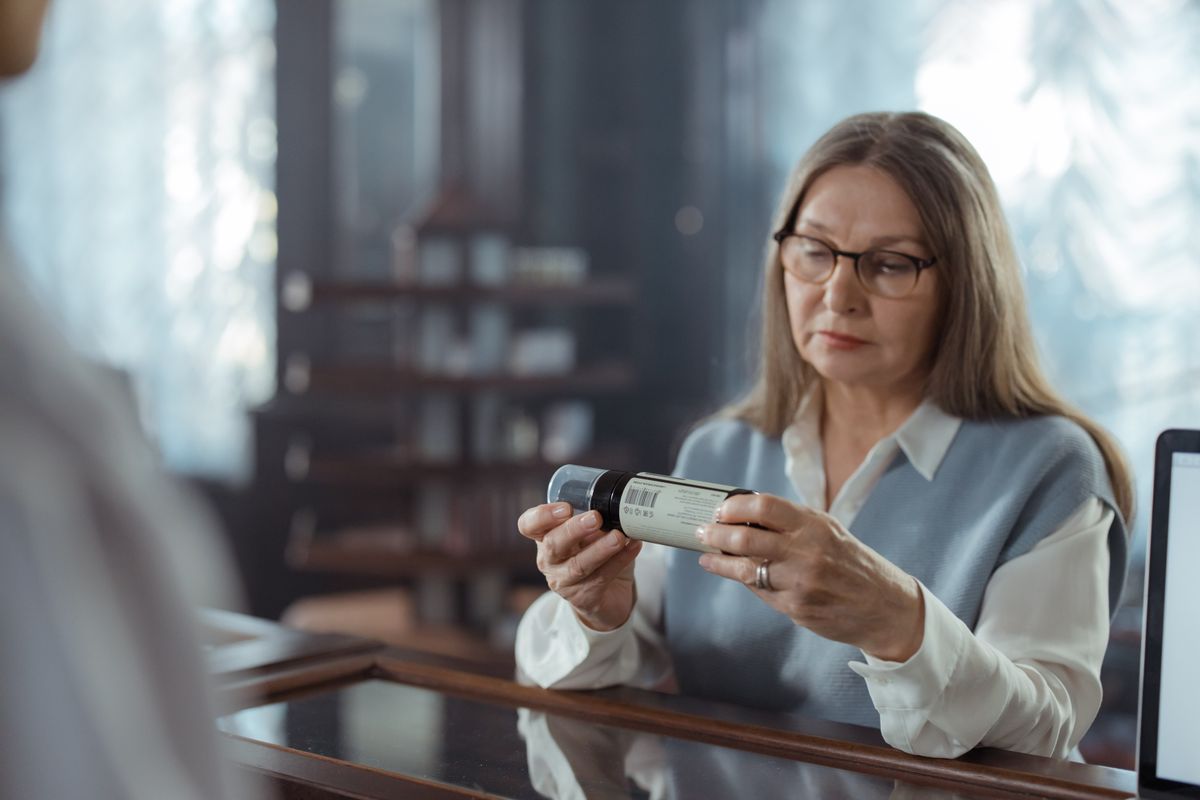
Have you ever stood in front of the baby care shelf and seen a bottle with Organic in big green letters and a leaf picture, and it wasn’t even expensive? You think, what a deal, organic at this price. Or maybe the person putting it in the basket is Grandma, who wants to buy something good for her grandchild.
That feeling isn’t wrong at all. Everyone wants the best for their baby. But the word Organic on the front of a cosmetic bottle doesn’t always mean the whole bottle is organic. Let’s go through it step by step: what this word can mean, which marks are real certifications, and where to look when you flip the label over.
Does a bottle that says Organic mean the whole bottle is organic?
Quick Answer: Not always. Without a certification mark from a body that actually checks, the word Organic may be a product line name, a formula name, or an advertising word. Some bottles have only one organic ingredient in a very small amount, while the main base is something else.
Put simply, the words on the front of a bottle can mean different things:
- A product line or formula name, like “Organic Formula,” or the word Organic in the product name. This tells you nothing about what percentage of the ingredients is organic.
- “with organic extract” or “contains organic…” means at least one ingredient is organic. It may be an extract added near the end of the formula.
- A certification mark with the name of the certifying body. This is the one where an outside party has checked it against clearly written criteria.
The closest example is baby oil. When we read through the labels of baby oils sold in Thailand, we found two bottles with Organic in the name, but the first ingredient was mineral oil, with just a little plant oil mixed in. See the details in our baby oil ranking, where we separate plant oils from mineral oil. This isn’t always against the law, but it isn’t “organic through and through” the way many people assume.
Does Thailand have an organic cosmetics standard?
Quick Answer: As far as we’ve checked in Thai FDA documents, we haven’t found a Thai standard that specifically defines how much organic content a cosmetic needs to call itself organic. So most organic marks you see on cosmetics are foreign standards.
It’s important to keep these apart:
- The Organic Thailand mark is the Department of Agriculture’s organic farming mark, used for farm produce such as vegetables, fruit and rice. It isn’t a standard for a whole bottle of cream or oil.
- Thai cosmetics law bans exaggerated or misleading advertising, but we didn’t find any numerical criteria saying what percentage “organic” on a cosmetic has to mean.
- The US is similar. The FDA states clearly that US cosmetics law doesn’t define the word organic at all. The one that defines it is the USDA’s organic program, which covers ingredients that come from agriculture.
If the Thai FDA ever issues guidance on this, we’ll come back and update this page.
Does the Thai FDA notification number say it’s organic?
Quick Answer: No. The notification number means the manufacturer or importer has submitted product information to the Thai FDA before selling, and is responsible for the product’s safety. It’s about safety and legal sale, not an organic certificate.
But that doesn’t mean the notification number isn’t important. The Thai label must show the notification number. If a bottle has none, or the Thai label is incomplete, put it back on the shelf first. If you have doubts about a product, you can ask or report it through the Thai FDA hotline 1556, or use the product check menu on the Thai FDA website.
To sum it up simply:
- Notification number = legally sold, with someone responsible for it
- Organic certification mark = a body has checked the proportion of organic ingredients against set criteria
A good product should always have the first. The second only appears on bottles that have actually gone and gotten certified.
Common organic certification marks: what each one means
Quick Answer: The marks you’ll see most often on cosmetics are COSMOS ORGANIC and COSMOS NATURAL (certified by bodies such as Ecocert or Soil Association), NATRUE and USDA Organic. Each has different criteria, and Natural does not equal Organic.
| Mark | Main criteria we checked from the original sources |
|---|---|
| COSMOS ORGANIC | Physically processed plant ingredients must be at least 95% organic, and total organic content must be at least 20% (leave-on products) or 10% (rinse-off products). The label must state “XX% organic of total” |
| COSMOS NATURAL | No minimum organic content. Focuses on ingredients of natural origin. The label states “XX% natural origin of total” |
| NATRUE (organic level) | At least 95% of natural ingredients must come from certified organic farming |
| USDA Organic | The seal can be used on products that are at least 95% organic. “Made with Organic” must be at least 70% organic and can’t use the seal |
There’s one more thing many people don’t know: water can’t count as organic. According to the COSMOS guide, water pulls the organic percentage down, so creams or lotions with a lot of water usually have a lower total organic figure than oils. That doesn’t mean they’re worse, just that the formula is different.
Personally, we think the trick is not to look only at the logo, because anyone can draw a leaf. Real certification marks include the name of the certifying body, and many have a code or certificate number you can look up on that body’s website.
What should I look at when I flip the label over?
Quick Answer: Look at the first few ingredients, because cosmetic ingredients are listed from most to least. Then find which line the word organic is attached to. If it’s attached to one near the end, the organic part isn’t much.
 Photo: Cup of Couple / Pexels
Under the ASEAN cosmetic labeling requirements, which Thailand shares with other member countries, ingredients must be listed by weight from most to least. Ingredients under 1% can be listed at the end in any order. Try reading it like this:
- Look at the first 3. If they’re Aqua (water), Mineral Oil, Paraffinum Liquidum or silicones, the base of the bottle isn’t an organic ingredient.
- Find the word organic in the ingredient list and see which ingredient it’s attached to. Bottles certified under COSMOS mark it in the ingredient list, for example organically grown or organic ingredient.
- See whether it comes before or after the fragrance. Fragrance (Parfum, Fragrance) is usually added in very small amounts. If the organic ingredient comes after the fragrance, there’s probably very little of it too.
- Look for a percentage. Certified bottles usually state a percentage, for example COSMOS requires “XX% organic of total.” If there’s no number at all, there’s no way to guess how much there is.
And don’t forget to check the other things that matter for your baby’s skin. The US FDA says plainly that an ingredient’s source doesn’t determine its safety, and some organic plants can cause allergies. For little ones, checking whether there’s fragrance or essential oils matters just as much as the word organic.
What does the price tell you?
Quick Answer: Price doesn’t prove anything, but it can be a warning. If a big bottle is very cheap but says organic, flip it over and check the ingredients before you decide.
Truly organic products don’t have to be crazy expensive, and expensive doesn’t mean organic. But if the price per 100 ml is close to a regular mineral oil bottle while the front really pushes the word Organic, that’s your signal to read the back in full. Work out the price per 100 ml every time you compare, and the picture gets a lot clearer.
When Grandma buys things for her grandchild
Quick Answer: Grandmas want to buy good things for their grandchildren, so the word Organic looks trustworthy. The gentlest approach is to read labels together, not to say she bought the wrong thing.
Many elders grew up in a time when the words on the front of the box were something you could trust, and the text on the back of the bottle is tiny and in English too. Anyone’s eyes would hurt reading it. It’s not about knowing or not knowing. Try this:
- Always say thank you first. It was bought with love. If your baby isn’t allergic and the bottle has no strong fragrance, you can keep using it. No need to throw it out.
- Go shopping together and flip the bottles over side by side. Read the small print on the back out loud for her. Make it a fun thing to do at the mall, not a lesson.
- Write down what you use for her. Take a photo of the bottle your baby uses without problems and send it to Grandma on LINE, so she can buy the same one with peace of mind.
- Give a reason based on your baby’s skin, like “Baby’s skin is sensitive, so we need to pick ones without fragrance.” It sounds like it’s about the grandchild, not about who chose wrong.
If your family has other beliefs about baby products, we’ve rounded up common beliefs and checked them against the evidence. You can read it together.
6-point checklist before paying more because of the word Organic
Quick Answer: Before paying extra because of the word Organic, check the notification number, a certification mark with the certifying body’s name, the organic percentage, the first ingredients, where the word organic sits in the list, and fragrance.
Shelf checklist
- Does it have a Thai FDA notification number and a complete Thai label?
- Does it have a certification mark that names the certifying body (such as COSMOS ORGANIC by Ecocert or Soil Association, NATRUE, USDA Organic), or just the word Organic on its own?
- Does it state an organic percentage?
- What are the first 3 ingredients?
- Which ingredient is the word organic attached to? Is it at the start or the end of the list?
- Does it have fragrance or essential oils (Parfum, Fragrance, oil names like Lavandula)?
If points 2 and 3 come up empty, it doesn’t mean the bottle is bad. It just means you shouldn’t pay more only because of the word Organic on the front. For the other things your newborn really needs, see the newborn essentials you actually need to buy, and if you’re wondering about baby powder, read on in Using baby powder after bath time.
You don’t have to get every bottle perfect for your baby. Just knowing how to read the label means pretty words won’t trick you into overpaying.
Questions parents ask
01Does a bottle that says Organic mean the whole bottle is organic?
Not necessarily. Without a certification mark from a body that actually checks, the word Organic may just be a product line name or an advertising word. Some bottles have a base of mineral oil or synthetic ingredients, with just a few organic oils or extracts mixed in.
02Does Thailand have an organic cosmetics standard?
As far as we've checked in Thai FDA documents, we haven't found a Thai standard that specifically defines how much organic content a cosmetic must have to be called organic. The Organic Thailand mark from the Department of Agriculture is a standard for organic farm produce, not for cosmetics. Cosmetics law does ban misleading advertising.
03Does the Thai FDA notification number on the bottle mean it's really organic?
No. The notification number means the manufacturer or importer has submitted product information to the Thai FDA before selling, and they are responsible for its safety. It isn't a certification that the product is organic. But you should avoid products with no notification number at all.
04What percentage of organic ingredients does COSMOS ORGANIC require?
According to the Soil Association guide, leave-on products such as lotions or oils must have at least 20% organic ingredients in total, rinse-off products such as soaps and shampoos at least 10%, and physically processed plant ingredients must be at least 95% organic. The label must also state the organic percentage.
05Are organic products safer for my baby's skin?
Not always. The US FDA states that an ingredient's source doesn't determine its safety. Many organic plants can also irritate skin or cause allergies. For little ones, checking whether there's fragrance or essential oils matters just as much as the word organic.
06How are ingredients ordered on the label?
Under the ASEAN cosmetic labeling requirements, ingredients are listed from the largest amount to the smallest. Ingredients under 1% can be listed at the end in any order. So the first few ingredients tell you what the bottle is mainly made of.
Can't find what you're looking for?
Ask us anything about family life in Thailand. No name needed. We read every question, and the ones parents ask most become new guides.
Sources
- U.S. FDA: "Organic" Cosmetics
- USDA AMS: Labeling Requirements for the U.S. Organic Market
- Soil Association: COSMOS Standard Support Guide (2018)
- ASEAN Cosmetic Labelling Requirements (Appendix II, via HSA Singapore)
- Thai Food and Drug Administration: cosmetic product warnings, and inquiries via the 1556 hotline