Lonely since becoming a mom: where to find mom friends and parent groups
Feeling lonely as a mom is very common. Find people in the same stage through playgroups, online groups, classes and library story time, plus the signs that loneliness is worth talking to a doctor about.
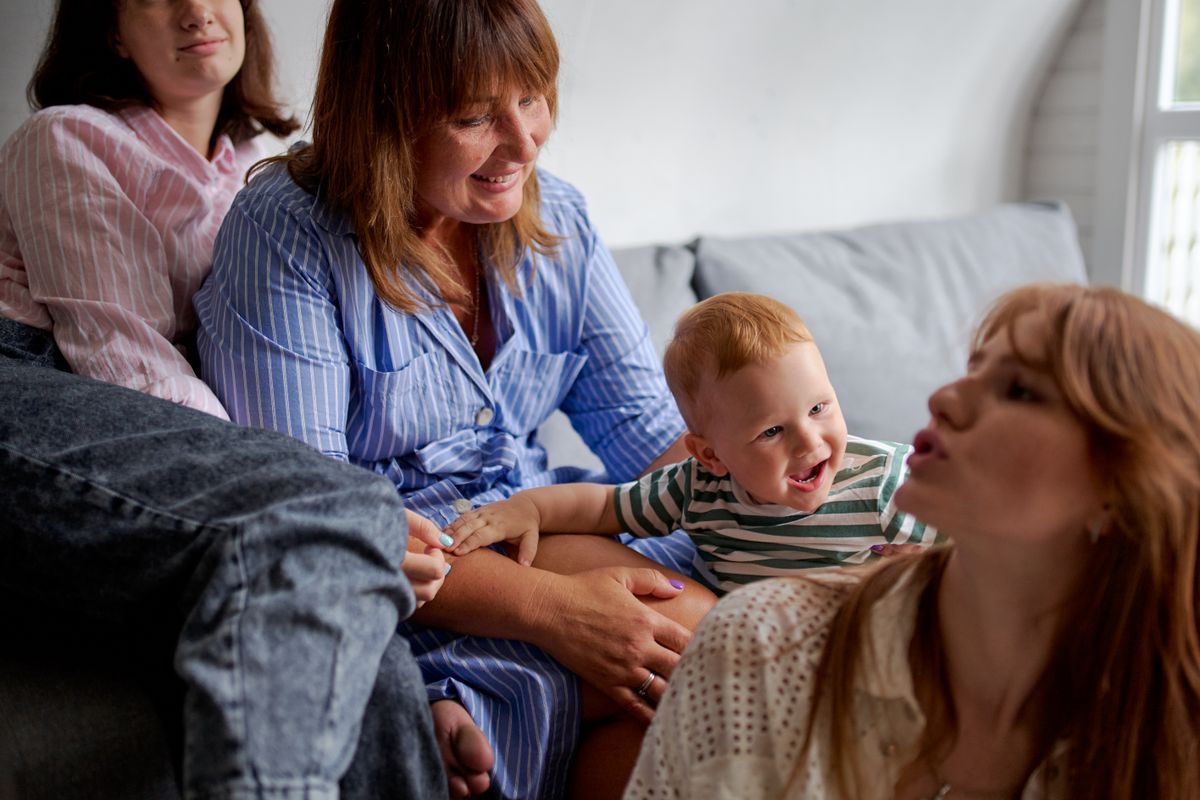
Your baby is asleep, the house is quiet, and you’re scrolling through old friends traveling, working, sitting in cafés. Then a strange feeling creeps in. You love your baby with all your heart, so why do you feel so lonely, when you’re never alone for even a minute?
If you feel this way, it doesn’t mean you’re a bad mom. It’s something a lot of moms go through, but few talk about. Let’s look at why it happens, what the research says, where to find mom friends, and when loneliness isn’t just loneliness anymore.
Why do moms feel lonely when they’re never alone?
Quick Answer: Because after having a baby, your identity, time and circle of friends all change at once in a short period. You can be with your baby all day and still feel lonely, because what’s missing is adults who understand this stage of your life.
Honestly, so much changes at the same time:
- Identity: from someone with a job, a name and things of your own, you suddenly become “so-and-so’s mom” before you know it.
- Friends drift away: friends without kids meet up at 9 p.m., while you go to bed with your baby. Nobody’s wrong, your rhythms just don’t match anymore.
- Less adult conversation: all day you’re talking to someone who can only answer “goo goo.”
- Moving house or city: many families move closer to grandparents or dad’s work, which means your old circle of friends is even farther away.
Simply put, a mom’s loneliness isn’t about having no one beside you. It’s about having no one beside you who “gets it.”
What does the research say about loneliness and mental health after birth?
Quick Answer: They’re closely linked. A 2023 review of research found loneliness is central to the experience of moms with depression during pregnancy and after birth, and WHO counts having little support as one risk factor.
The World Health Organization (WHO) estimates that worldwide, about 13% of women who have just given birth have a mental health problem, mostly depression, and in developing countries the figure rises to about 19.8%. WHO names “low social support” as one of the factors that increases the risk.
A research team from UCL in the UK reviewed 27 qualitative studies covering 537 mothers across 4 continents (published in BMC Psychiatry) and found:
- Loneliness and depression during pregnancy and after birth are often tangled together, each making the other worse.
- Many moms isolate themselves because they’re afraid of being seen as a “bad mom.”
- Talking with moms who’ve been through something similar helps, but meeting only moms who seem perfect can make you feel lonelier than before.
That last point is important. So the goal isn’t to join as many groups as possible, but to find a group where you can tell the truth: today I’m tired, today I can’t cope.
Where can I find mom friends and parent groups?
Quick Answer: Places where moms and kids of the same age go regularly, like playgroups, mom groups on Facebook, parent and baby classes, library story time, the playground at the same time each day, and hospital classes or breastfeeding clinics.
| Where | Good for | Why it helps |
|---|---|---|
| Playgroups | Kids starting to crawl, walk or play with others | Regularly meet moms and kids the same age |
| Facebook groups for moms in your province | Moms who can’t easily get out of the house yet | Ask questions at 2 a.m., and some groups meet up in person too |
| Parent and baby classes (music, swimming, yoga) | Moms who want an activity to help start conversations | Same faces every week |
| Library story time | Kids starting to listen to stories | Free or cheap, with a clear schedule |
| Playgrounds or parks | Everyone | Go at the same time every day and faces become familiar without planning |
| Prenatal classes, breastfeeding clinics | Pregnant moms and moms of newborns | Meet people whose babies were born around the same time |
We’ve rounded up groups that are really still active, by city:
- Parent groups in Chiang Mai: playgroups, Thai mom groups and expat mom groups
- Parent groups in Bangkok: playgroups almost every day, English story time and breastfeeding pages
- Parent groups in Nakhon Pathom: there aren’t many province-specific groups yet, so we’ve included national online groups you can join right away
If you’re in Chiang Mai, pair it with Kid-friendly cafés in Chiang Mai. Lots of groups meet at cafés like these.
I’m shy and nervous about joining a group. How do I start?
Quick Answer: Start online, then go to meetups with an activity for the kids. Go back to the same place 3 or 4 times, and don’t try to become close with anyone the first time.
Personally, we think meeting new people while sleep-deprived is much harder than it was in our single days, so here it is in small steps:
- Say hi in an online group first. A short post is enough, like “Mom of an 8-month-old in Hang Dong. Does anyone take their kids to a park around here?”
- Choose meetups with an activity, like a playgroup or story time, because your child is a ready-made conversation topic. “How old is your little one?” opens any circle.
- Go again. The first time, just getting there is already great. By the third or fourth time, faces feel familiar and conversation happens without effort.
- Ask for contact details without pressure. “I’ll be back next week. Can I add you?” That’s all it takes.
- Be the one to invite, at least once. Many moms are waiting for the other person to ask, too.
And don’t worry about a messy house, a fussy kid or unwashed hair. Moms in this circle get it.
How can family members help a mom feel less lonely?
Quick Answer: Take the baby for stretches of time so mom can go out and see people, and ask “How are you feeling today?” not just “How’s the baby?”
A partner or grandma can help more than you’d think, for example:
- Take the baby on Saturday morning so mom can have coffee with a friend for an hour.
- Drive her to playgroup on days she’s too tired to get out of the house on her own.
- Listen without rushing to fix things. Sometimes mom just wants to talk.
If you want to bring this up at home without it turning into a fight, try reading The 5 love languages: how to use them with your partner and kids too.
When is loneliness not just loneliness?
Quick Answer: If you feel sad, lose joy, feel guilty or worthless, or can’t cope almost every day for more than 2 weeks, it may be postpartum depression. See a doctor. Don’t wait for it to get worse.
In the first few days after birth, mood swings and crying easily are common. This is called the baby blues, which the NHS says usually goes away on its own within 2 weeks after birth. But if it doesn’t go away, or gets worse, that’s a sign to ask for help.
See a doctor or call for advice if you have these almost every day
- Sad, down or empty most of the day
- No joy in anything, even things you used to love
- Feeling hopeless, unable to cope, or guilty and worthless, thinking you’re a bad mom
- Constant worry or fear, irritable and restless
- Can’t sleep, even when your baby is asleep and you have time to rest
- Feeling distant from your baby or finding it hard to bond
Emergency: if you have thoughts of harming yourself or your baby, call 1669 or go to the nearest emergency room right away.
Want to talk to someone: the Department of Mental Health’s mental health hotline 1323 is available 24 hours.
Postpartum depression can start anytime from pregnancy to 1 year after birth, and dads can have it too. You can tell the doctor or nurse when you take your baby for vaccines, no special appointment needed. If you had symptoms during pregnancy, read more in Depression during pregnancy.
Finding friends really helps, but it doesn’t replace treatment. The two can go hand in hand.
What can I do starting today?
Quick Answer: Choose one thing you can do this week, like requesting to join one mom group in your province, or noting down one playgroup date near your home.
You don’t have to do everything at once. One step is enough.
- Open the parent groups page for your city, pick one group and request to join.
- Message an old friend you’ve drifted from and say you miss them.
- Take your child to the park at the same time for 3 days in a row and see who you run into again.
A lonely mom isn’t a weak mom. You’re just in a stage where life is changing faster than your heart can keep up. Let’s find our people together, one step at a time.
Questions parents ask
01Is it normal to feel lonely as a mom?
Completely normal. After having a baby, your schedule, identity and circle of friends change all at once, and many moms feel isolated even with people around them. But if the loneliness comes with sadness or losing joy almost every day for more than 2 weeks, talk to a doctor.
02Where can I find mom and baby groups?
Start with Facebook groups for moms in your province, playgroups at kindergartens or international schools, parent and baby classes, library story time, and hospital prenatal classes or breastfeeding clinics. We've rounded up groups that are still active in Chiang Mai, Bangkok and Nakhon Pathom on each city's parent groups page.
03At what age can I start taking my baby to a playgroup?
It depends on the group. Some welcome babies, while others start from age 1. Check the age range in each group's announcements first. When your baby is still very little, you get the full benefit yourself from getting out and talking to other adults.
04I'm really shy. How do I join a mom group?
Start online first with a short hello or a reply to a comment, then go to meetups with an activity for the kids, since there's something to talk about without overthinking. Go back to the same place 3 or 4 times, and once faces are familiar, talking gets much easier.
05How is postpartum loneliness different from postpartum depression?
Loneliness gets better when you see people and get some rest. Postpartum depression is heavier and lasts longer, like sadness, losing joy, feeling guilty or worthless, not sleeping even when you can rest, or finding it hard to bond with your baby. Symptoms can start anytime from pregnancy to 1 year after birth, and you should see a doctor.
06Where can I call to talk about my mental health?
Call the Department of Mental Health's hotline 1323, available 24 hours, or tell the doctor and nurse when you take your baby for vaccines. If you have thoughts of harming yourself or your baby, call 1669 or go to the emergency room right away.
Can't find what you're looking for?
Ask us anything about family life in Thailand. No name needed. We read every question, and the ones parents ask most become new guides.