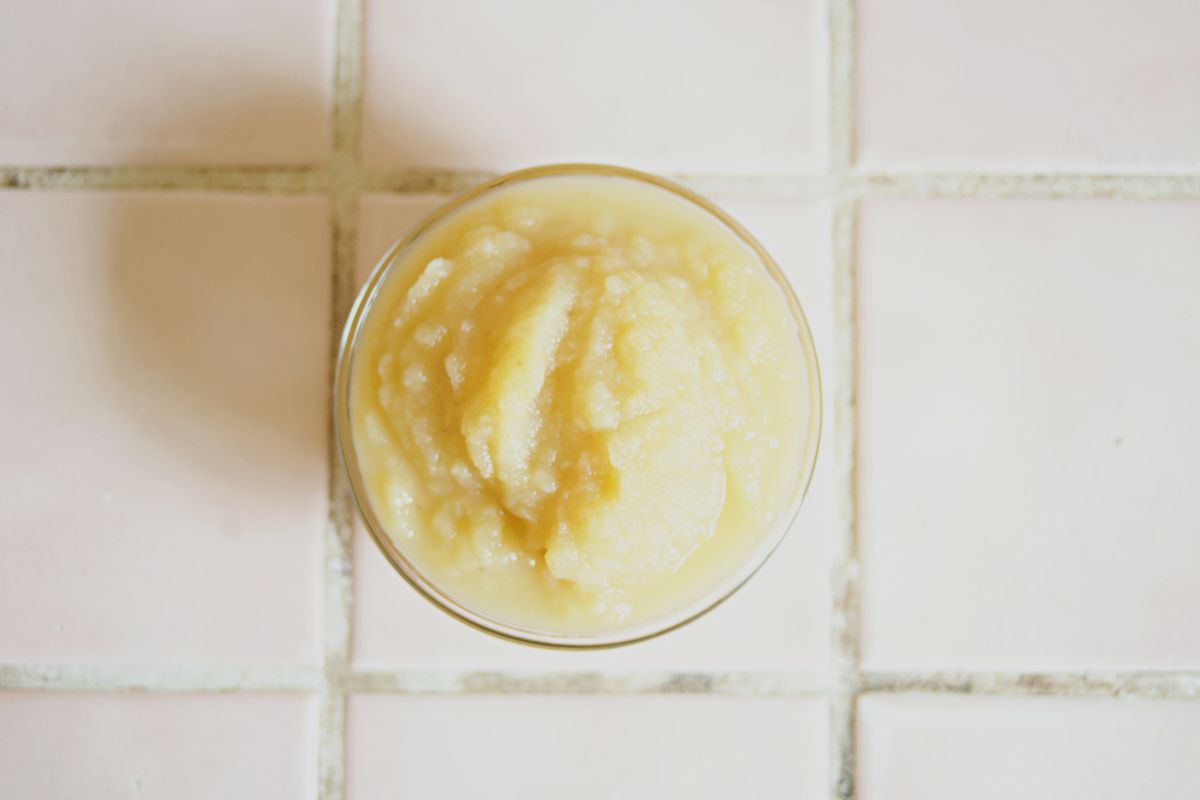
Mashed Banana at 4 Months? Why Pediatricians Say Wait Until Around 6 Months, and the Signs Your Baby Is Really Ready
Babies can start solid food at 6 months, per Thailand's Department of Health and WHO. Until then, breast milk or formula is enough. Here are the real readiness signs, and why mashed banana at 4 months is risky.
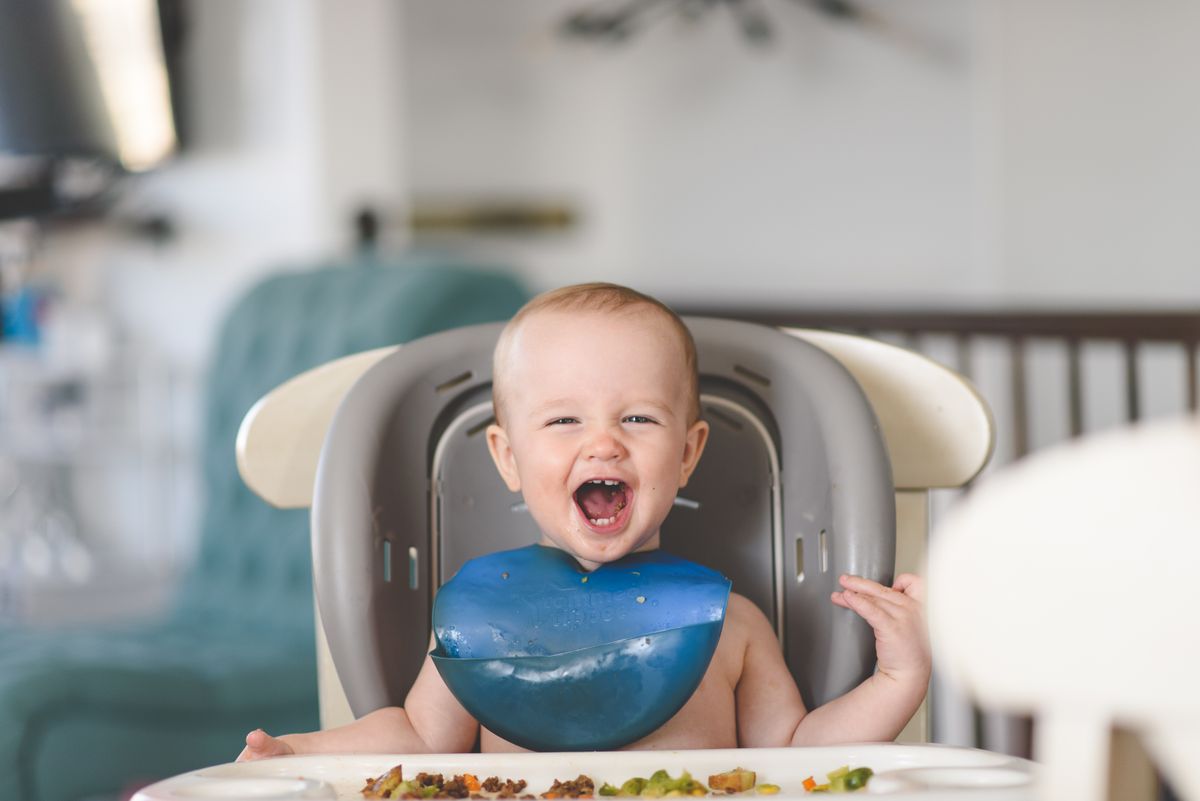
Your baby is only 4 months old, but the grandparents are already asking, “Can we give mashed banana yet? That’s how we raised kids back then, and everyone turned out fine.” And when your baby stares wide-eyed every time you eat, you start to wonder whether they really are hungry.
That’s completely understandable. Everyone loves this baby. Let’s go through it step by step: why pediatricians and Thailand’s Department of Health say to wait until around 6 months, and which signs show your baby is “really ready,” not just curious.
At what age can babies start eating rice?
Quick Answer: Once they reach 6 months. Before that, breast milk or formula already gives your baby all the nutrients and fluid they need.
Thailand’s Department of Health recommends breast milk only from birth to 6 months, with no other food and not even water. At 6 months, you start age-appropriate foods alongside breast milk, continuing breastfeeding to 2 years or longer. This matches the World Health Organization (WHO), which says that around 6 months is when milk alone stops covering a baby’s energy and nutrient needs.
In the US, the AAP says “around 6 months” and notes it depends on each baby’s development. Some may be ready a little earlier, but that doesn’t mean you need to rush. If you’re unsure, ask the doctor at the 4- or 6-month vaccine visit.
Why is mashed banana at 4 months risky, when the older generation did it?
Quick Answer: Because the gut and swallowing skills of babies under 6 months aren’t ready. Thailand’s Department of Health warns of bloating, constipation, diarrhea, food allergy and a potentially fatal intestinal blockage.
The Department of Health’s infographic, “What are the risks if a baby under 6 months eats banana,” lists them plainly:
- Bloating and indigestion
- Constipation or diarrhea
- Food allergy
- Risk of death from intestinal blockage
So why were we fine? The truth is many babies really are fine. But some aren’t, and we can’t know in advance which group our baby falls into. What we know about babies has also changed a lot in the past 30 years, just like how babies used to be put to sleep on their tummies and now doctors say on their backs.
If you want to talk to the grandparents without a fight, try saying, “The doctor at the hospital told us to wait until 6 months.” It usually works better than arguing. For other beliefs, see Mom myths: which are true and which aren’t.
What are the real signs a baby is ready to eat?
Quick Answer: There are 3 signs that usually appear together around 6 months: sitting with steady head control, picking things up and bringing them to the mouth, and swallowing food instead of pushing it out.
The NHS sums up readiness in 3 signs, and the AAP says something similar. Check them here:
| Sign | What to look for |
|---|---|
| Sits with steady head control | Sits on a lap or a supportive chair, head doesn’t wobble |
| Eyes, hands and mouth work together | Sees something, grabs it, and brings it to the mouth |
| Can swallow | Swallows food instead of pushing nearly all of it out with the tongue |
| Interest in food (bonus) | Opens mouth when the spoon comes, reaches for your plate |
If your baby pushes out every bite, it doesn’t mean they dislike it. They may simply not be ready. The AAP suggests waiting a little and trying again.
Which signs are often mistaken for “my baby wants rice now”?
Quick Answer: Chewing hands, waking more at night or wanting milk more often are normal baby behaviors. They don’t mean your baby is ready for food.
This is where many moms give in. The NHS says clearly that these 3 are often misread:
- Sucking or chewing hands is usually exploring, or itchy gums. See Teething fussiness all day
- Waking more at night often happens around 4 months as sleep patterns change. Read more at 4-month-old waking often
- Wanting milk more often may be a growth spurt. Keep feeding on demand.
And the one we hear all the time: “Give rice and the baby will sleep longer.” The NHS says starting solids early won’t help your baby sleep through the night.
If my baby is 6 months and still not interested in food, should I worry?
Quick Answer: Not at first. Eating is a brand-new skill, and some babies take several weeks to get used to it. But if it’s been a long time and they still refuse everything, talk to the doctor.
The NHS says not to worry about how much your baby eats at first. The goal is getting used to tastes and textures and learning to swallow. Starting with a single teaspoon is fine, and the AAP notes that most early bites end up on your baby’s face and bib rather than in their tummy.
Simple, homestyle Thai first-meal ideas like mashed rice, pumpkin and egg yolk are in Baby’s first meal: rice, egg yolk or vegetables?.
Call the doctor or go to the hospital if…
Quick Answer: If your baby chokes and struggles to breathe, gets hives, has a swollen mouth or face, or vomits repeatedly after a new food, go to the hospital right away.
Go to the hospital now if…
- Your baby chokes, can’t cough, can’t breathe or turns blue (call 1669)
- Lips, tongue or face swell, or breathing is wheezy after a new food
- Hives all over the body with vomiting or drowsiness
- A hard, bloated tummy, repeated vomiting or blood in the stool after being given banana or other food at a young age
Book a chat with the doctor if…
- Your baby is over 6 months but still can’t sit even with support, or has weak head control
- Your baby was born premature or has a medical condition
- Your baby has severe eczema or a known egg allergy (the AAP recommends discussing high-allergy foods first)
- Weight isn’t rising along the curve in the Pink Book
The big picture of the whole first year, from solids and the first tooth to first steps, is in Your baby’s first year guide, and if your baby is under 3 months, see Your baby’s first 3 months.
Just a little longer. Soon your baby will have rice all over their face, ready for you to take photos.
Questions parents ask
01At what age can babies start eating rice and solid food?
At 6 months, as recommended by Thailand's Department of Health and the World Health Organization. Until then, breast milk or formula provides all the nutrients and fluid your baby needs.
02Can I give my 4-month-old mashed banana?
It's not recommended. Thailand's Department of Health warns that giving banana or other foods to babies under 6 months risks bloating, indigestion, constipation, diarrhea, food allergy and a potentially fatal intestinal blockage.
03What are the signs a baby is ready for solids?
The NHS lists 3 signs that usually appear together around 6 months: sitting with steady head control, picking up food and bringing it to the mouth, and swallowing food rather than pushing it back out.
04My baby chews their hands and wakes more at night. Do they need solids sooner?
Not necessarily. The NHS says chewing fists, waking more at night and wanting extra milk are normal baby behaviors, not signs of readiness, and starting solids early won't help your baby sleep through the night.
05When should a premature baby start solids?
Premature babies may need both their actual age and their development taken into account. Ask the pediatrician caring for your baby before you start.
06Once we start solids, does my baby still need the same amount of milk?
Milk remains the main food in the first year. At first, solids are just about tasting and learning to swallow. Thailand's Department of Health recommends continuing breastfeeding alongside food until 2 years or longer.
Can't find what you're looking for?
Ask us anything about family life in Thailand. No name needed. We read every question, and the ones parents ask most become new guides.