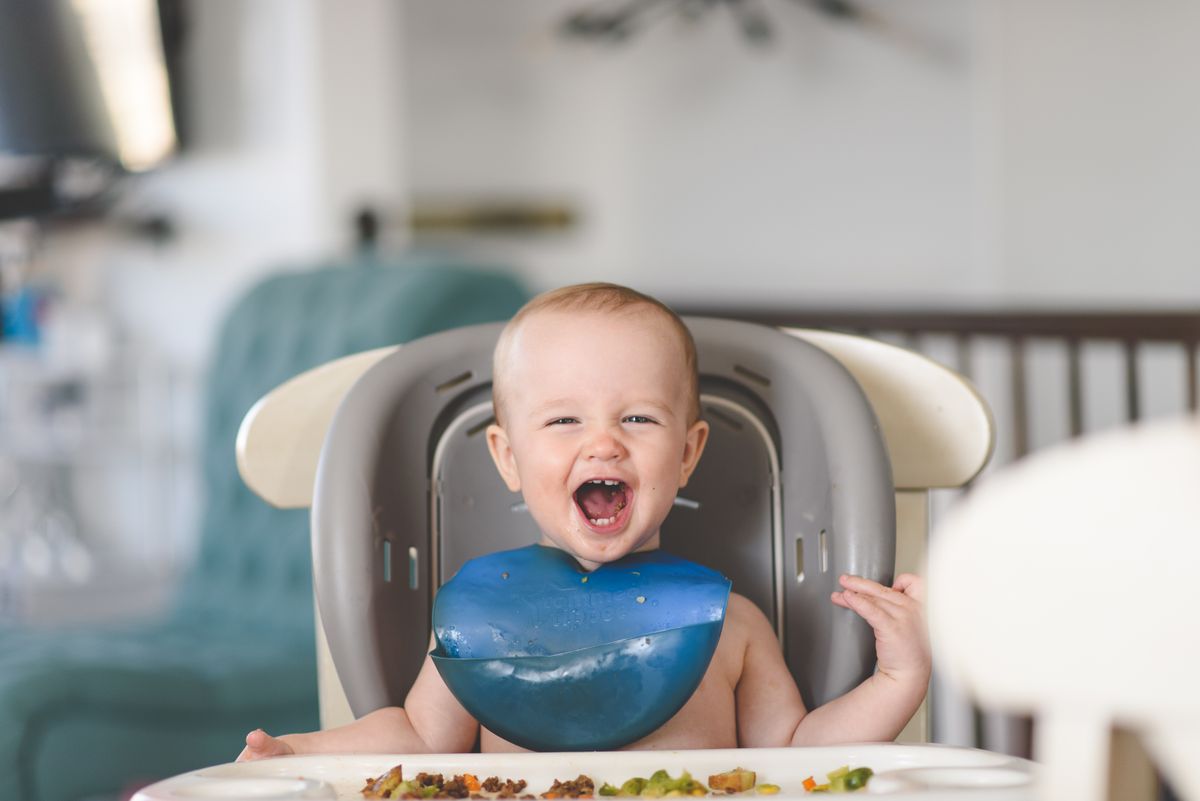
Baby's first meal: mashed rice, egg yolk or veggies? Simple Thai home-style first food ideas
Start with smooth mashed rice and breast milk, then add egg yolk, liver, fish, pumpkin and ivy gourd one at a time, no salt or sugar. Plus Thai Department of Health sample menus and what to skip before age 1.
Your baby just turned 6 months! You got so excited you spent an hour scrolling baby food recipes on social media, and found avocado, blueberries and quinoa everywhere, until you started wondering if you need imported ingredients for it to be good enough.
You really don’t. A Thai home kitchen already has everything: rice, eggs, mackerel, chicken liver, pumpkin and ivy gourd (tamlueng), which are exactly the foods in the Thai Department of Health’s own sample menus. Let’s go through it step by step: what to start with, how to make it, and what still has to wait.
If you’re not sure your baby is ready yet, read When do babies start solids, and the real signs of readiness first.
1. What should the first meal be?
Quick Answer: Smooth mashed rice is the easiest and most familiar starter for a Thai home. Mash or blend it until smooth, mix with breast milk or cooled boiled water until it’s runny enough to swallow easily, and start with just 1 to 2 teaspoons.
In the Department of Health’s 7-day menu for 6-month-olds, smooth mashed rice is the base of every meal, about 2 tablespoons once your baby is eating well. But the very first meal doesn’t need to be anywhere near that. The NHS says a single teaspoon is enough to start. The goal is for your baby to get to know new tastes and practice swallowing.
The NHS tends to start with mashed vegetables, while the AAP focuses on including iron-rich foods from the start. Both work fine. There’s no single right order.
2. What to add next, and how many days to wait
Quick Answer: Add one food at a time, every 3 to 5 days, as the AAP recommends, so you can see if your baby reacts to anything.
An easy home-style order to follow: start with rice, then orange vegetables, then egg yolk, with fruit as a snack (see each one below). Once you reach week 3, slowly add these two groups:
- Weeks 3 to 4: hard-boiled, mashed chicken liver, or mackerel or snakehead fish with every tiny bone removed. Good for iron and protein.
- Week 4 on: ivy gourd, sweet leaf (phak wan), napa cabbage, spinach, boiled soft and mashed. Rotate them.
Everything on this list comes from the foods in the Department of Health’s sample menus. We only put them in order to make starting easier, so feel free to switch them around.
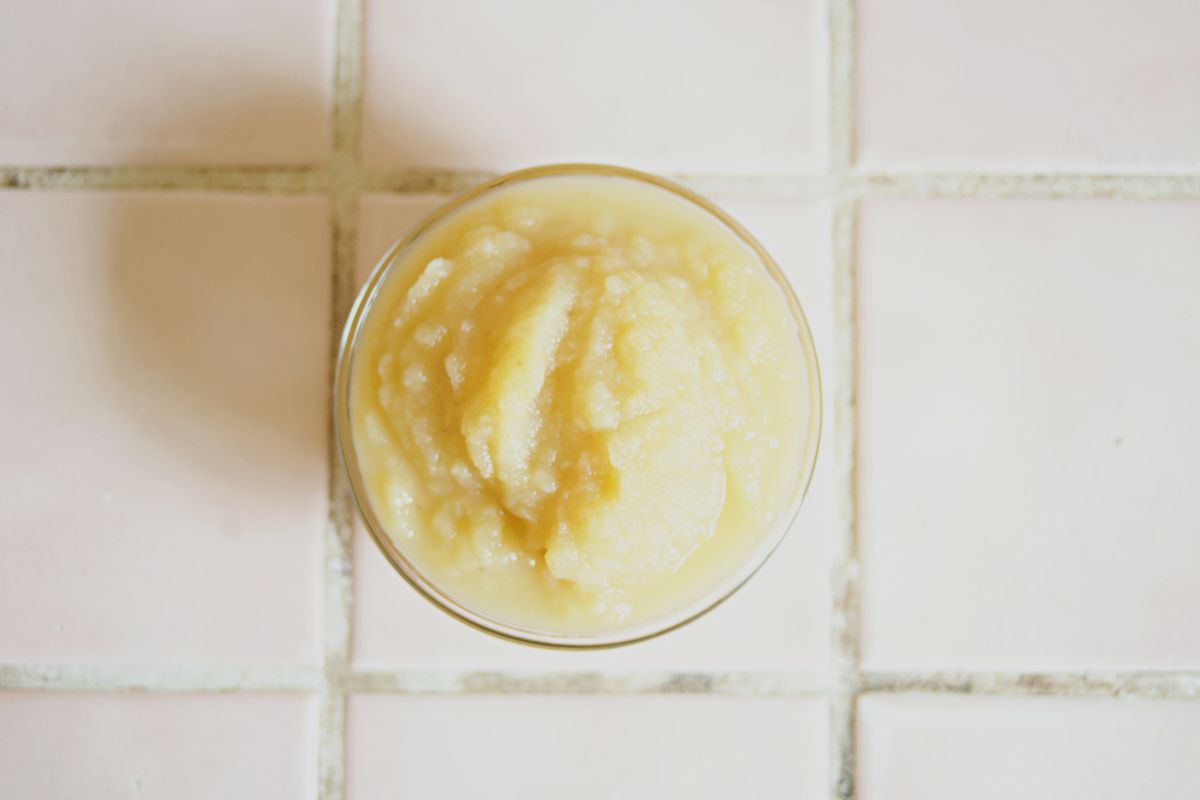
Week 1: smooth mashed rice
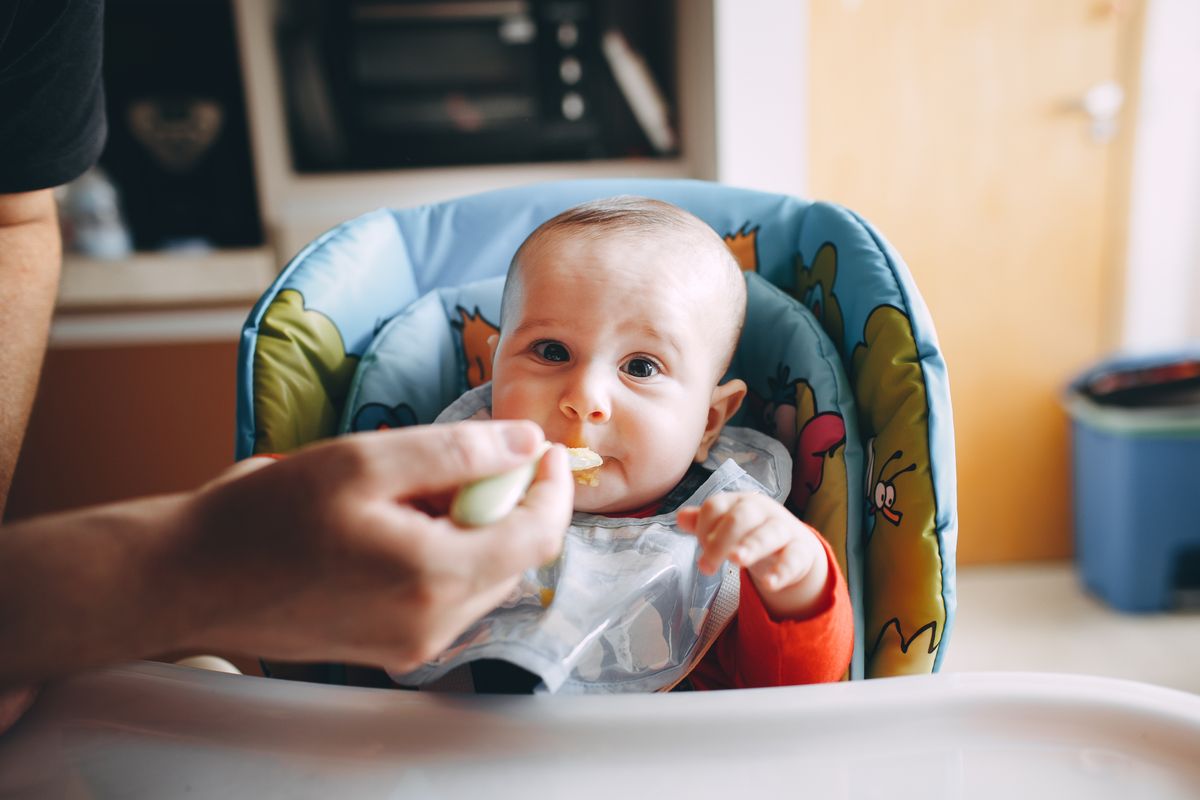 Photo: Helena Lopes / Pexels
Mash or blend until smooth, and mix with breast milk until runny.
Week 2: soft-boiled, mashed pumpkin or carrot
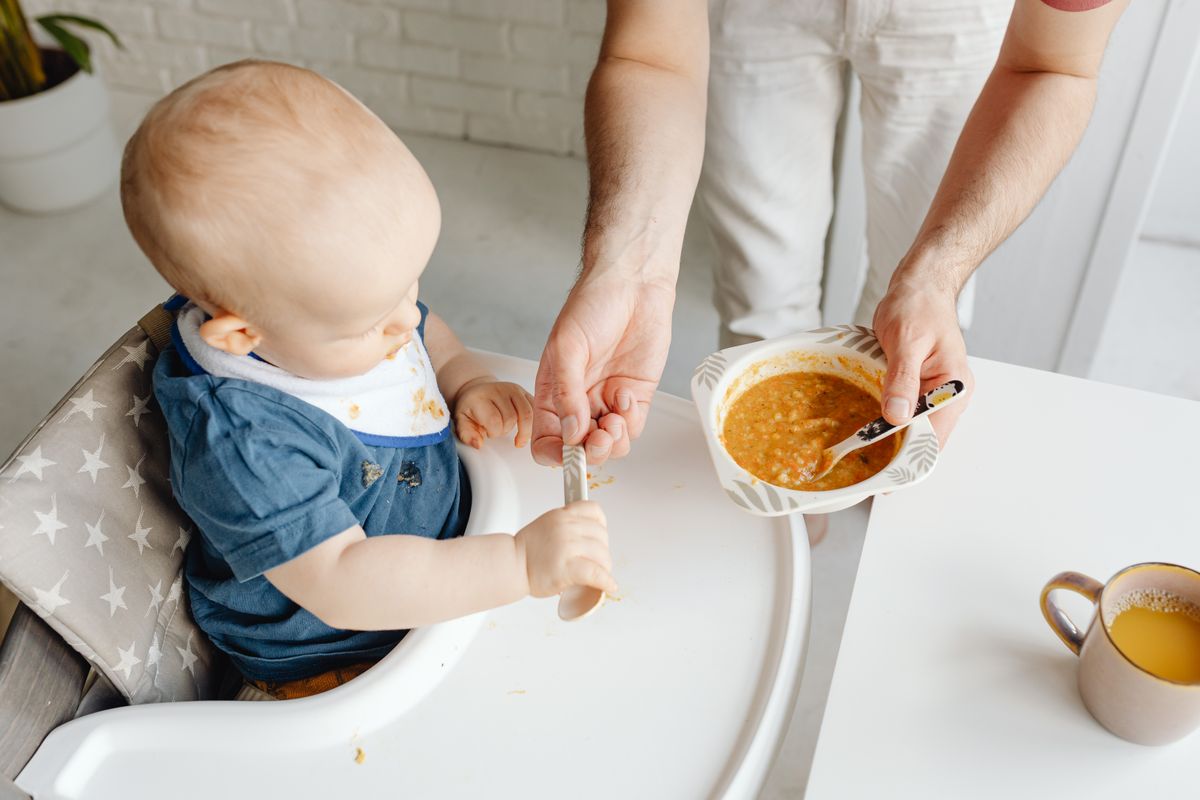 Photo: Kaboompics / Pexels
Orange veggies with a natural sweetness that babies often love.
Weeks 2 to 3: hard-boiled egg yolk
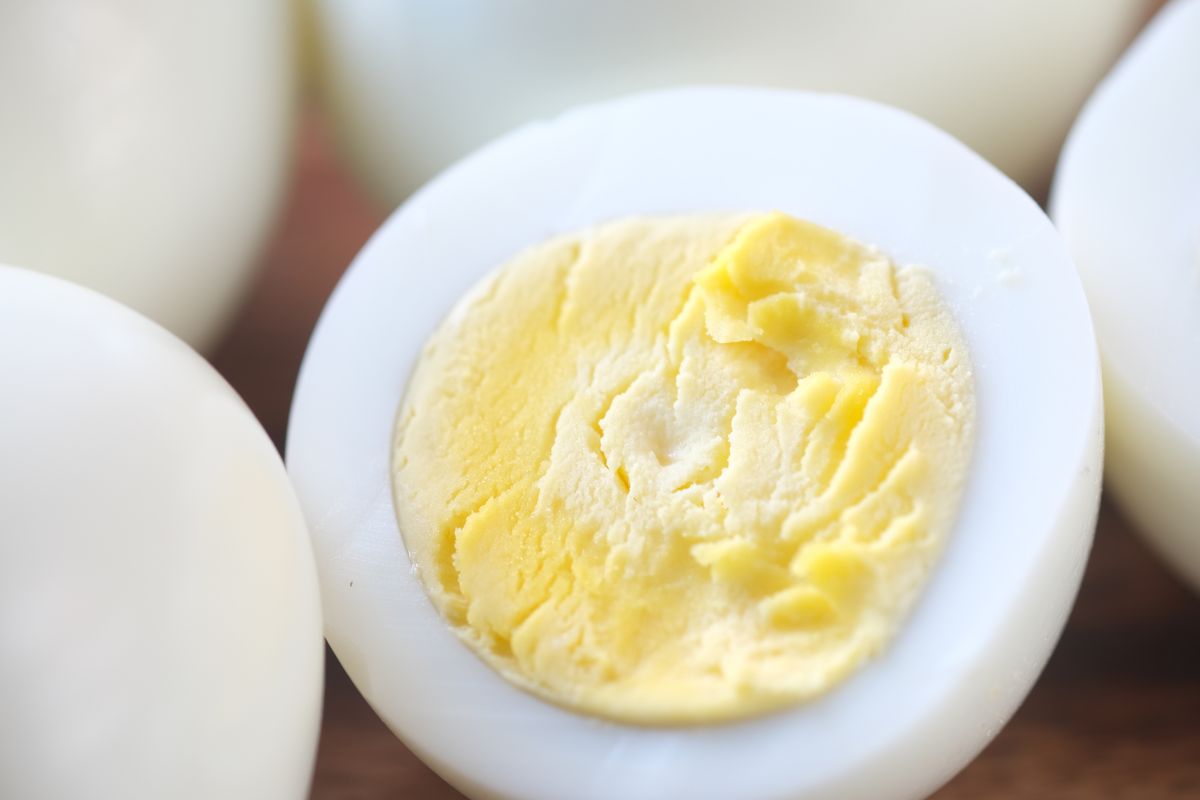 Photo: Towfiqu barbhuiya / Pexels
Boil the whole egg until fully cooked, then start with a tiny bit.
Snacks: scraped Thai banana (kluay nam wa), ripe papaya, ripe mango
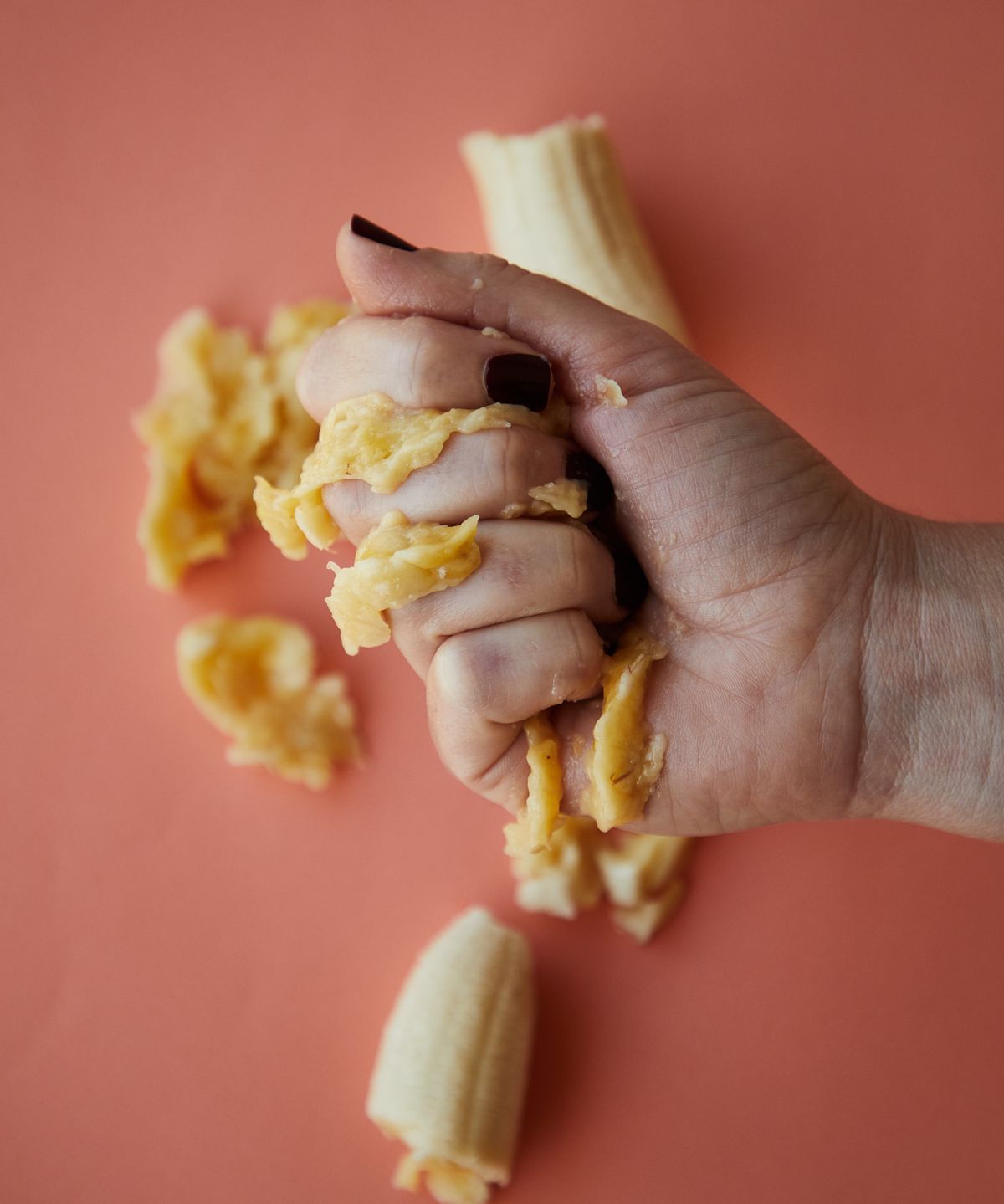 Photo: Laker / Pexels
Scrape or mash until smooth.
3. Can a 6-month-old really eat egg yolk?
Quick Answer: Yes. The Department of Health menu for 6-month-olds uses half an egg yolk. Boil the whole egg until fully set, not soft-boiled.
- Boil the egg until the yolk is firm, then separate the yolk and mash it with rice or vegetable broth.
- Start with a little, then watch for 2 to 3 days.
- The NHS says common allergy foods like egg, fish, wheat and peanuts can be introduced from around 6 months, one at a time and a little at a time, and the AAP says there’s no evidence that delaying these foods prevents allergies.
- If your baby has severe eczema or has had a food allergy before, ask your doctor before starting egg and peanuts.
4. Do I need to season it? Is a drop of fish sauce okay?
Quick Answer: No seasoning at all. No salt, fish sauce, soy sauce, seasoning powder or sugar, and no stock cubes either.
The NHS advises against adding salt to baby food or to the cooking water, because a baby’s kidneys can’t handle much salt yet, and the Department of Health menus don’t include any seasonings in their ingredients.
A common one is an elder saying, “It’s so bland, how is the baby supposed to eat that?” Try explaining that your baby’s tongue has never tasted salt, so the natural flavor of mackerel and pumpkin is already delicious to them. If you want more aroma, use homemade pork bone or chicken broth with no seasoning added.
5. How smooth should the rice be, and when does it get chunkier?
Quick Answer: Start smooth and runny, then slowly make it thicker and lumpier. WHO says by around 8 months most babies can pick up soft pieces of food and feed themselves, and by around 12 months they can eat the same food as the family.
- 6 months: smooth mash, thick but runny, easy to swallow
- 7 to 8 months: rougher mash with some texture. Try letting them hold soft pieces, like steamed pumpkin.
- 9 to 12 months: finely chopped, soft rice, soft pieces they can pick up themselves
Try not to stay on smooth purées for too long. Practicing chewing rougher textures makes it easier for your baby to eat family food by their first birthday.
6. How many meals a day, and milk first or food first?
Quick Answer: Start with 1 meal a day. WHO recommends 2 to 3 meals from 6 to 8 months and 3 to 4 meals from 9 to 11 months, while the Thai Department of Health recommends 3 meals a day by 10 to 12 months.
Breast milk or formula is still the main food all through the first year. In the beginning you can give milk before or after food. If your baby is so hungry they’re cranky, give a little milk first and then offer the food. As for water, the NHS suggests sips from a cup with meals from around 6 months.
7. What’s still off-limits before age 1
Quick Answer: Honey, salt and sugar, cow’s milk as the main drink, fruit juice, whole nuts, and small hard pieces that can cause choking.
- Honey: the NHS says it may contain bacteria that cause infant botulism. Not before age 1.
- Cow’s milk: fine in cooking, but not as the main drink until age 1.
- Fruit juice: the AAP doesn’t recommend it for babies under 12 months.
- Choking hazards: the AAP lists examples like nuts, seeds, whole grapes, raw vegetables, apple chunks, sausages and popcorn.
- Undercooked eggs, raw seafood: risk of food poisoning.
Call a doctor or go to the hospital if…
- Your baby’s mouth, tongue or face swells, they wheeze, or they have trouble breathing after a new food. Go to the hospital right away (call 1669).
- They choke and can’t cough, cry without sound, or turn blue.
- Hives all over the body, repeated vomiting, or unusual drowsiness after a new food.
- Diarrhea or bloody stools after starting solids.
- Your baby refuses all food for several weeks in a row, or isn’t gaining weight along the curve in the pink book (the Thai Mother and Child Health Handbook). Book a talk with your doctor.
For the big picture of the whole first year, see Your baby’s first-year guide, and if your baby is bottle-fed, check out bottle options in Which baby bottle is best.
The first meal might only get 2 bites into the mouth, with the rest on cheeks, chin and mom’s shirt. That’s a perfect first meal.
Checklist (tick and print)
Tick away, this device will remember.
Get ready before the first meal
Not yet before age 1
Questions parents ask
01What should my baby's first solid food be?
Smooth mashed rice is the starter most Thai families use, and it's easy to digest. The Thai Department of Health's sample menus for 6-month-olds use mashed rice as the base, then rotate in egg yolk, chicken liver, fish and soft-boiled mashed vegetables.
02Can a 6-month-old eat egg yolk?
Yes. The Department of Health's sample menu for 6-month-olds includes half an egg yolk. Boil the whole egg until fully cooked, and start with a little at a time so you can watch for allergies.
03Do I need to season my baby's first foods?
No. Skip salt, fish sauce, soy sauce, seasoning powder and sugar. The NHS says never add salt to baby food, and that includes stock cubes and the water you cook in. Your baby isn't used to salty or sweet tastes yet, so natural flavors already taste great to them.
04How many meals a day should a 6-month-old eat?
Start with 1 meal a day, then build up. WHO recommends 2 to 3 meals a day from 6 to 8 months, and the Thai Department of Health recommends working up to 3 meals a day by 10 to 12 months.
05When can my baby have honey?
After age 1. The NHS says honey can contain bacteria that cause infant botulism, so don't give it before 1 year, not even on a pacifier or mixed into food.
06How many days should I wait between new foods?
The AAP recommends introducing one new single food every 3 to 5 days so you can watch for allergies. If your baby gets a rash, vomits or has diarrhea after something new, you'll know what caused it.
Can't find what you're looking for?
Ask us anything about family life in Thailand. No name needed. We read every question, and the ones parents ask most become new guides.
Sources
- Thai Department of Health (Bureau of Nutrition): 7-day menu for 6-month-old babies
- Thai Department of Health: exclusive breastfeeding for 6 months, then complementary foods alongside breast milk until 2 years
- NHS: Your baby's first solid foods
- NHS: Foods to avoid giving babies and young children
- HealthyChildren.org (AAP): Starting Solid Foods