Baby bottles: which ones babies actually take, and which ones end up given away
We compare 6 baby bottles sold in Thailand: Avent, Pigeon, Hegen, Dr. Brown's, Tommee Tippee and Natur. Teats, materials, ease of washing and price per bottle, before you buy a whole set.
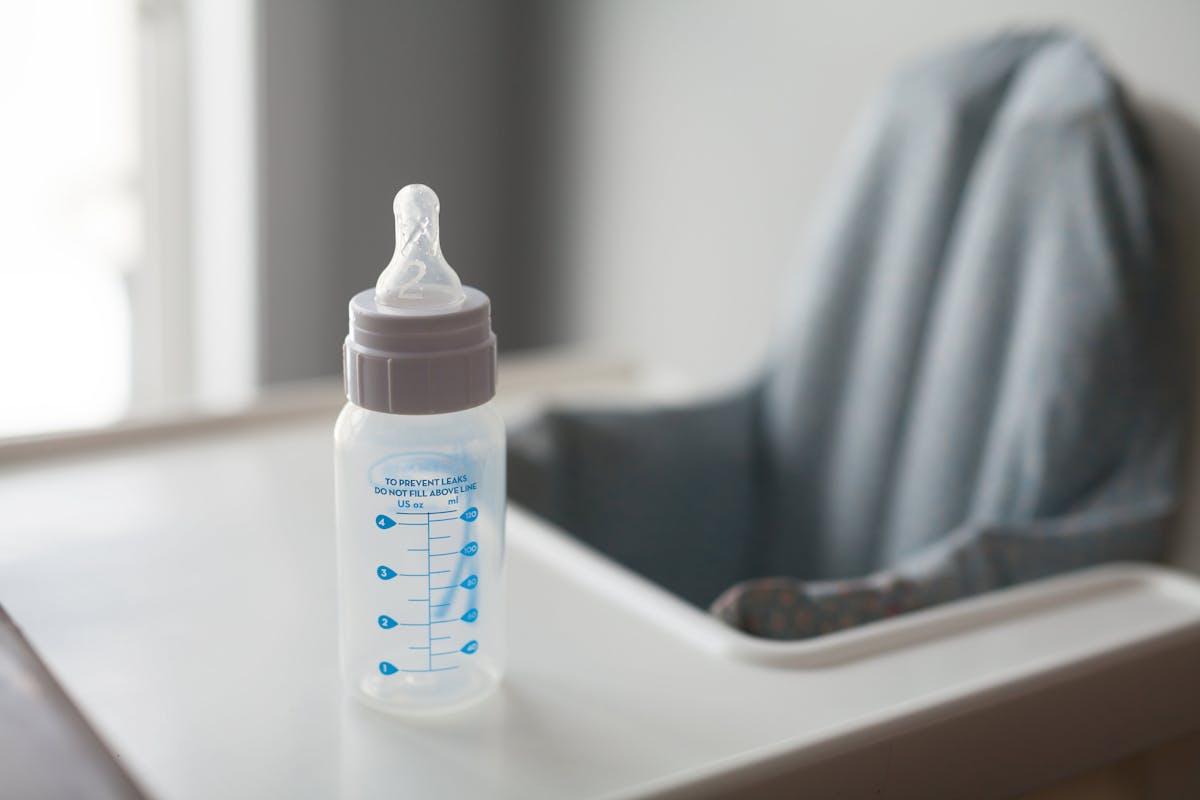
- Best overallPhilips Avent Natural ResponseAbout ฿485 per 260 ml bottle
- Best valueTommee Tippee Closer to NatureAbout ฿330 to ฿415 per 260 ml bottle
- Premium pickHegen PCTO 150 ml PPSUAbout ฿895 per bottle
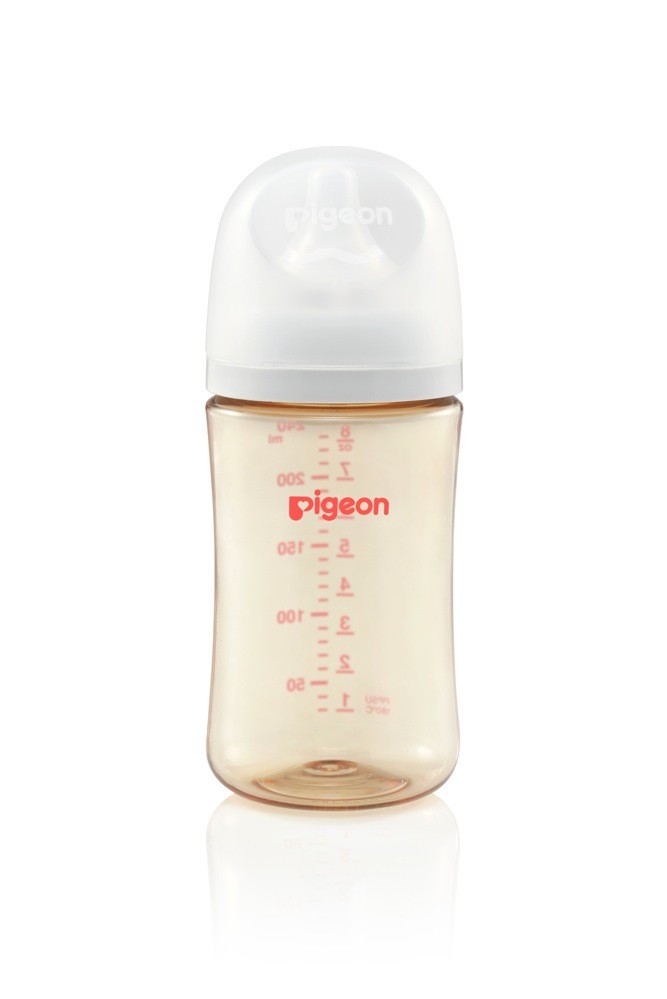 Pigeon SofTouch Peristaltic Plus (PPSU wide neck)4.3/5Families who want to find teats and spare parts anywhere, from malls to pharmacies in the provincesAbout ฿600 to ฿1,300 per bottle
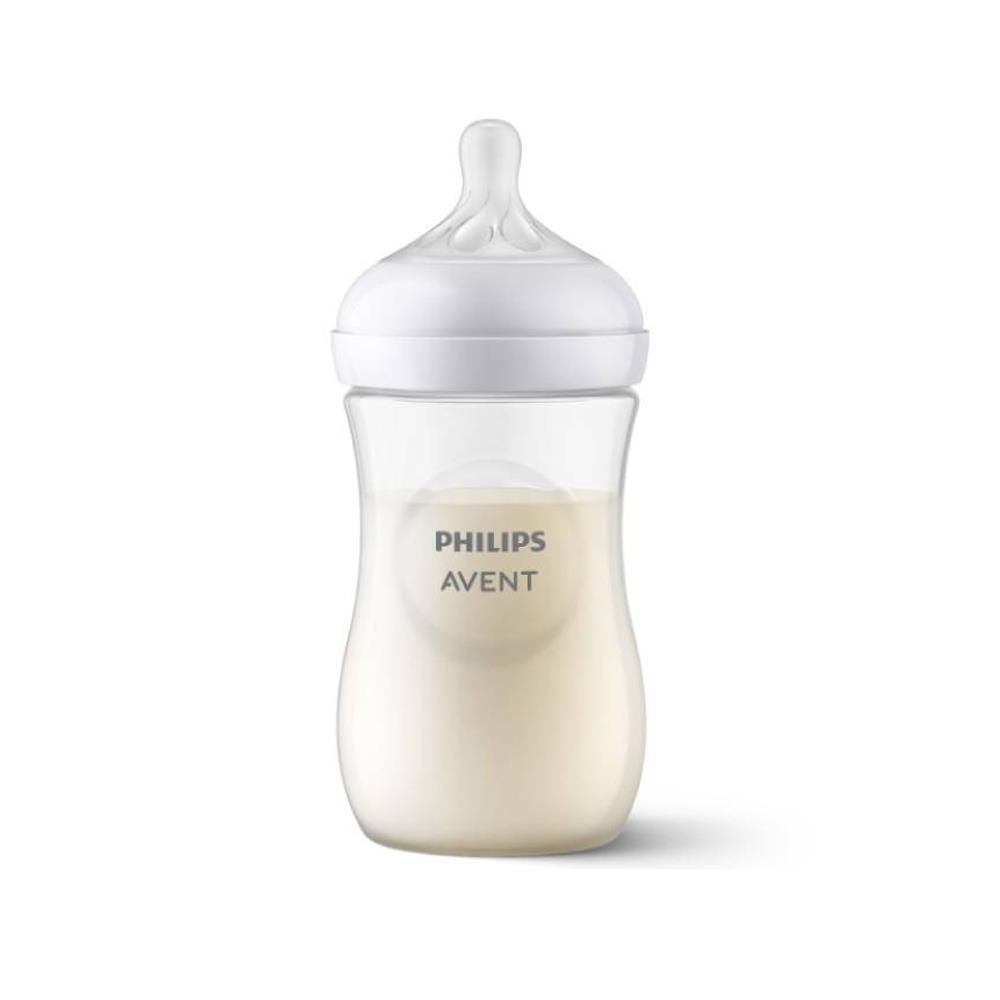 Philips Avent Natural Response4.4/5Mainly breastfed babies who need to start taking a bottle when mom goes back to workAbout ฿485 per 260 ml bottle
 Hegen PCTO 150 ml PPSU4.1/5Moms who pump a lot and want one bottle for pumping, storing and feedingAbout ฿895 per bottle
Quick comparison
| # | Model | Score | Material | Sizes | Anti-air system |
|---|---|---|---|---|---|
| 1 | Philips Avent Natural Response | 4.4 | PP or PPSU | 125, 260, 330 ml | Valve in the teat |
| 2 | Pigeon SofTouch Peristaltic Plus (PPSU wide neck) | 4.3 | PPSU (PP version available) | 160, 240 ml | Air vent at the teat base |
| 3 | Hegen PCTO 150 ml PPSU | 4.1 | PPSU | 150, 240, 330 ml | Air vent at the teat |
| 4 | Dr. Brown's Options+ wide neck | 4.0 | PP (glass version available) | 150, 270 ml | Internal vent tube |
| 5 | Tommee Tippee Closer to Nature | 3.8 | PP (glass version available) | 150, 260, 340 ml | Valve in the teat |
| 6 | Natur Smart Biomimic (PP wide neck) | 3.7 | PP | 5 oz, 9 oz | Valve in the teat |
You open the cupboard and it’s full of bottles, three or four brands, because you bought whole sets while pregnant. But your baby won’t drink from a single one, or drinks and chokes at every feed. If that’s you right now, or it was you once, it’s not your fault at all. Every baby really does like a different teat.
So this time we compared 6 baby bottles that are actually sold in Thailand, both international and Thai brands. We compared specs, standards and user reviews (to be upfront, we haven’t tested them ourselves yet), then matched each one to the kind of family it suits, so you can buy a little at a time and get the right one.
How to choose a baby bottle without buying the wrong one
Quick Answer: Look at the teat before the bottle, because whether your baby accepts it mostly comes down to the teat. Then look at material, how easy it is to wash and how easy it is to find spare parts.
 Photo: PARINDA SHAAN / Pexels
- Teat shape A wide, breast-shaped teat usually suits breastfed babies. A long, narrow teat suits some babies who are used to a pacifier.
- Flow level Start with a slow-flow teat for newborns. If baby chokes or milk dribbles out the corners of the mouth, the flow is too fast.
- Number of parts Bottles with separate vents or valves can help with air, but it also means sitting there washing more parts at 3 a.m.
- Can you buy replacement teats? If you live outside the big cities, choose a brand your local pharmacy stocks. Life gets a lot easier.
Why you shouldn’t buy a whole set before baby arrives
Quick Answer: Because you don’t know yet which teat your baby will accept. Buying 1 or 2 bottles each from different brands to try costs less than one big set from a single brand.
Gift sets do look like good value, with lots of bottles in different sizes, but if your baby rejects that brand’s teat, the whole set is wasted. If it were us, we’d do this:
- Before birth, buy 1 small bottle each from 2 brands with different teats, for example Avent and Pigeon, or Natur, which is cheaper.
- After baby is born, see which one baby feeds well from, without choking or getting fussy.
- Then buy more of the brand that works, and buy the next teat level as baby grows.
Breastfed baby starting on a bottle: which type to choose
Quick Answer: Choose a wide-based, slow-flow teat, like Philips Avent Natural Response or Pigeon SofTouch, and feed in a way that lets baby set the pace.
The NHS approach is to hold baby semi-upright, keep the bottle almost horizontal so milk flows steadily, and let baby latch onto the teat themselves. Pause when baby turns away or slows down sucking. There’s no need to finish the bottle. This helps baby avoid overfeeding and makes switching back to the breast easier.
If you’re still working on breastfeeding, have a read of breastfeeding positions and a good latch and signs baby is getting enough breast milk too.
Are anti-colic bottles necessary?
Quick Answer: Not for everyone. Bottles with an anti-air system, like Dr. Brown’s, may help babies who swallow a lot of air, but they won’t fix fussiness in every case.
Heavy crying in the evening can have many causes, and the bottle is only one of them. If baby burps a lot, spits up often or has a hard tummy after a bottle, there’s no harm in trying a bottle with an anti-air system. But if baby cries for unusually long, it’s better to talk to a pediatrician. Read more in evening crying: is it colic?
PP, PPSU or glass: which suits your home?
Quick Answer: PPSU handles frequent steaming and lasts the longest. PP is cheap and light but needs replacing more often. Glass doesn’t scratch but is heavy and can break.
| Material | Pros | Good to know |
|---|---|---|
| PP (clear bottle) | Cheap, light | Scratches and goes cloudy fast, replace when scratched |
| PPSU (amber bottle) | High heat resistance, handles frequent steaming | More expensive |
| Glass | Doesn’t scratch, stains wash off easily | Heavy, can break, not great for taking out |
Whatever the material, the NHS recommends sterilizing feeding equipment until baby is at least 12 months old, and checking teats and bottles for cracks or tears every time.
Washing and sterilizing: which is least tiring?
Quick Answer: Wide-neck bottles with few parts, like Avent, Pigeon and Hegen, are easiest to wash. Dr. Brown’s takes the longest because of the vent tube.
Stand at the sink washing a pile of bottles late at night and you’ll know the number of parts really does affect how tired you get. Bottles that need a small brush pushed through a tube add time to every feed. If you don’t have much help at home, start with an easy-to-wash bottle. It helps a lot.
Talk to a doctor or nurse if…
Quick Answer: If baby chokes at almost every feed, turns blue or struggles to breathe while feeding, or eats so little that they pee less, don’t just switch bottle brands. See a doctor.
- Baby chokes, coughs or breathes noisily during almost every feed, even after switching to a slow-flow teat
- Lips turn bluish, or baby briefly stops breathing while feeding (go to the hospital immediately)
- Clearly fewer wet diapers, or weight not going up at checkups
- Forceful, projectile vomiting after feeds, again and again
One more thing: don’t prop the bottle up for baby to feed alone, or leave baby in bed with a bottle, because baby could choke.
How we ranked
Quick Answer: We compared manufacturer specs, materials, prices from shops in Thailand and user reviews. We haven’t tested them ourselves yet. If we add shop links later, they will be clearly labeled and won’t change the order.
What we weighted more than bottle designs or packaging was a teat that breastfed babies accept easily, and how easy it is to find replacement teats in Thailand. Full details are in how we rank.
The best bottle is the one that makes feeding time a calm moment for both of you. Take your time trying, there’s no rush at all.
All 6 products, ranked
- 1Philips AventBest place to start
Philips Avent Natural Response
4.4/5Best for Mainly breastfed babies who need to start taking a bottle when mom goes back to work
- Material
- PP or PPSU
- Sizes
- 125, 260, 330 ml
- Anti-air system
- Valve in the teat
- Neck
- Wide
What we like
- The maker says the teat only releases milk when baby actively sucks, so baby controls the rhythm of sucking, swallowing and breathing
- Wide-based, soft teat, close to breastfeeding
- Wide neck, easy to wash, few parts
- Easy to buy in malls, pharmacies and official online stores
Good to know
- You need to match the teat to the right flow level and buy new ones as baby grows
- The PPSU version costs nearly double the PP version
Check price on Shopee Official site · philips.co.thAffiliate link
- 2PigeonEasiest to find
Pigeon SofTouch Peristaltic Plus (PPSU wide neck)
4.3/5Best for Families who want to find teats and spare parts anywhere, from malls to pharmacies in the provinces
- Material
- PPSU (PP version available)
- Sizes
- 160, 240 ml
- Anti-air system
- Air vent at the teat base
- Neck
- Wide
What we like
- SofTouch teat is designed so baby uses the tongue to draw milk, similar to breastfeeding
- Many teat sizes, very easy to buy separately in Thailand
- PPSU material handles heat, fine for frequent steaming or boiling
- A cheaper PP version is also available
Good to know
- Special-design PPSU versions go over ฿1,000
- No separate venting part like Dr. Brown's
Check price on Shopee Official site · pigeon.comAffiliate link
- 3HegenBest value for pumping moms
Hegen PCTO 150 ml PPSU
4.1/5Best for Moms who pump a lot and want one bottle for pumping, storing and feeding
- Material
- PPSU
- Sizes
- 150, 240, 330 ml
- Anti-air system
- Air vent at the teat
- Neck
- Extra wide
What we like
- Press to close, twist to open, works one-handed while holding baby
- Connects to breast pump parts, and the lid swaps to turn it into a storage bottle, so less pouring milk back and forth
- Wide opening, no hard-to-reach corners, easy to wash
Good to know
- Highest price per bottle in this ranking
- Teats and lids only work with the Hegen system
- If your baby won't take the Hegen teat, you lose more money than with other brands
Check price on Shopee Official site · hegen.comAffiliate link
- 4
 Dr. Brown's
Dr. Brown's Options+ wide neck
4.0/5Best for Babies who swallow a lot of air while feeding and burp or spit up often
- Material
- PP (glass version available)
- Sizes
- 150, 270 ml
- Anti-air system
- Internal vent tube
- Neck
- Wide
What we like
- Internal vent tube that the maker designed to reduce the air baby swallows while feeding
- The vent can be removed as baby grows, no need to change bottles
- Comes in both wide and narrow neck
Good to know
- Most parts of any bottle here, the vent needs a small brush every wash
- If not fully assembled or filled past the line, milk may leak
- 5
 Tommee Tippee
Tommee Tippee Closer to Nature
3.8/5Best for Babies who refuse long, narrow teats and prefer a wide, breast-shaped teat
- Material
- PP (glass version available)
- Sizes
- 150, 260, 340 ml
- Anti-air system
- Valve in the teat
- Neck
- Wide
What we like
- Wide-based, breast-shaped, flexible teat
- Anti-air valve built into the teat, no extra parts
- Reasonable price per bottle
Good to know
- Fewer shops sell it in Thailand than Pigeon and Avent, so replacement teats are harder to find in the provinces
- The wide bottle may not fit some bottle warmers
Check price on Shopee Official site · tommeetippee.comAffiliate link
- 6
Natur
Budget trial pickNatur Smart Biomimic (PP wide neck)
3.7/5Best for Tight budgets, or trying out which teat shape your baby accepts
- Material
- PP
- Sizes
- 5 oz, 9 oz
- Anti-air system
- Valve in the teat
- Neck
- Wide
What we like
- Thai brand, cheapest in this ranking
- The maker says the teat doesn't flow unless baby sucks, with an air-control valve
- PP bottle heat resistant up to 110 degrees, made to the EN 14350 standard
Good to know
- PP bottles scratch and go cloudy faster than PPSU, so they need replacing more often
- Fewer detailed reviews than the international brands
Check price on Shopee Official site · natur.co.thAffiliate link
Questions parents ask
01Which baby bottle brand is best?
The best brand is the one your baby will drink from and that you can wash without wearing yourself out. In Thailand, Philips Avent Natural Response and Pigeon SofTouch are good starting points because the teats have a wide base and spare parts are easy to find. We suggest buying 1 or 2 bottles to try first.
02What's the difference between PP and PPSU bottles?
PP is cheap and light but scratches and goes cloudy faster. PPSU handles higher heat, is amber-colored, stands up to frequent steaming and lasts longer. Both are safe if used as the maker recommends and replaced when scratched or cracked.
03My breastfed baby refuses the bottle. What can I do?
The AAP suggests having someone other than mom give the first bottles, somewhere other than your usual feeding spot, when baby is a little hungry rather than very hungry. If baby still refuses, try a different teat shape for several days at a time, or try feeding from a cup instead.
04Until what age do I need to sterilize bottles?
The NHS recommends sterilizing all feeding equipment until baby is at least 12 months old. Wash everything well in soapy water first, then steam, boil or soak in sterilizing solution.
05How often should I replace teats?
Replace them right away if a teat is torn, swollen, sticky or discolored, and check before every use, because frequent boiling wears teats out faster. Also move up a flow level when baby takes unusually long to feed or gets frustrated while feeding.
06Do anti-colic bottles really help?
Bottles with an anti-air system may help some babies swallow less air, but evening fussiness has many causes, not just the bottle. If your baby cries for unusually long, talk to a pediatrician.
Can't find what you're looking for?
Ask us anything about family life in Thailand. No name needed. We read every question, and the ones parents ask most become new guides.