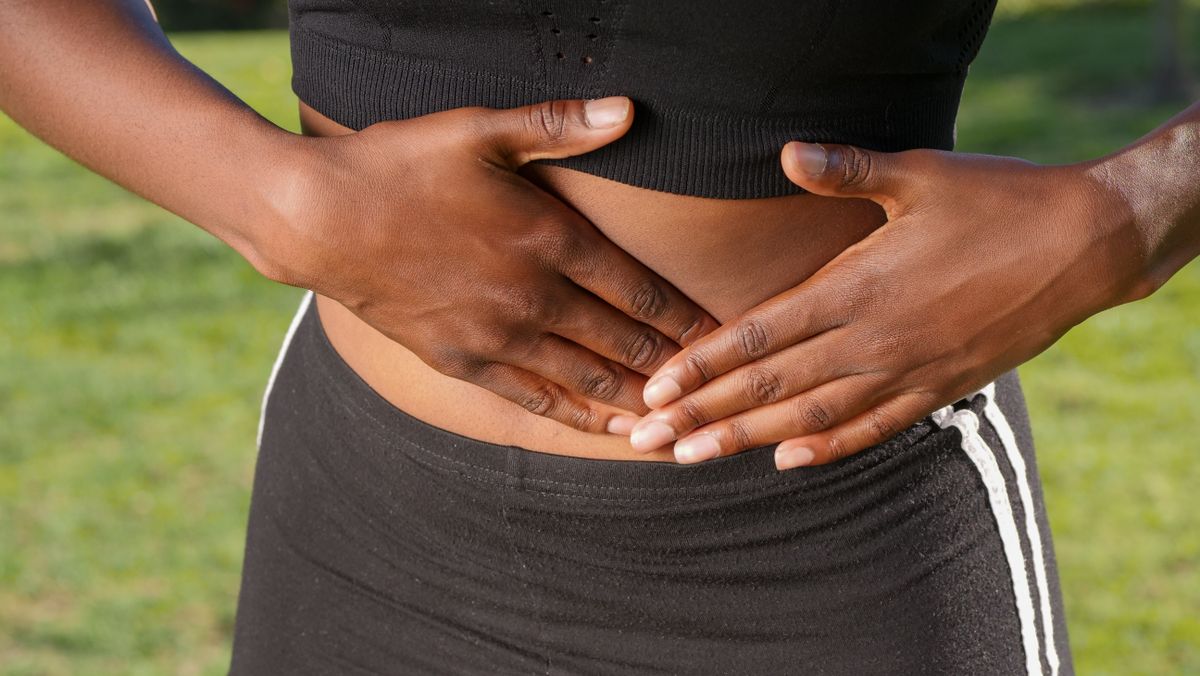
Itchy palms and soles in pregnancy: why doctors want to hear about it quickly
An itchy belly from stretching skin is normal. But itchy palms and soles, worse at night, with no rash, may be a sign of intrahepatic cholestasis of pregnancy (ICP), so tell your doctor early.
When you’re pregnant and itchy, everyone says, “That’s normal, your skin is stretching.” And that’s true, most of the time it is. But there’s one kind of itch that doctors and nurses want moms to report quickly instead of putting up with it or just applying cream: itching on the palms of your hands and the soles of your feet.
We don’t want to worry you. We just want to help you tell apart the itching you can look after yourself and the itching that means picking up the phone and calling the hospital.
Why are itchy palms and soles different from an ordinary itchy belly?
Quick Answer: Because an ordinary itchy belly comes from your skin, but itchy palms and soles without a rash may come from your liver.
Normal belly itching comes from the skin on your belly stretching quickly until it’s dry and tight, so it usually itches where the skin stretches, like your belly, hips and thighs, and gets better with moisturizer.
But your palms and soles don’t stretch with your belly, right? If they’re very itchy, especially at night, doctors think of intrahepatic cholestasis of pregnancy, or ICP for short.
What is ICP, and who can get it?
Quick Answer: ICP is when bile acids from the liver build up in the blood during pregnancy, causing intense itching. It usually appears in the second half of pregnancy and goes away after the birth.
It’s thought to be related to rising pregnancy hormones, plus genetics. Mothers more likely to get it include those who:
- Had ICP in a previous pregnancy
- Have a family member, such as a mother or sister, who has had it
- Are pregnant with twins
- Have an existing liver condition
But it can happen even if none of these apply. It’s nobody’s fault, and it isn’t caused by eating the wrong things or caring for your skin the wrong way.
Signs to call the hospital about the same day
Quick Answer: Itchy palms and soles, itching that’s worse at night, or itching all over with no rash: call the hospital where you have antenatal care. Don’t wait for your appointment.
| Ordinary itching (usually OK to manage yourself) | Itching to tell your doctor about quickly |
|---|---|
| Itching on the belly, hips and thighs where skin stretches | Itching on the palms, soles or all over the body |
| Gets better with moisturizer or a lukewarm bath | Doesn’t really improve whatever you put on it |
| Mildly annoying | Gets worse at night until you can’t sleep |
| You may see dry, flaky skin | Usually no rash, just scratch marks |
| No other symptoms | May come with dark urine, pale stools or yellowing skin |
If you match the right column, don’t worry about “bothering the doctor over nothing.” This is exactly the symptom your medical team really wants to know about.
Why the rush, if it may go away after the birth anyway?
Quick Answer: Because ICP increases some risks for the baby, such as premature birth. Your doctor needs to do blood tests and monitor you closely to plan your care and choose a safe time for the birth.
With proper care, most mothers give birth safely and their babies are healthy. So the heart of this isn’t worrying, it’s telling someone early, so your doctor can test you as soon as possible.
What will the doctor check, and how is it managed?
Quick Answer: Blood tests for liver function and bile acid levels, which some people need repeated. Then the doctor will consider medicine to ease the symptoms and schedule more frequent checks on the baby.
When you see the doctor, you’ll usually go through something like this:
- History and a skin check, to rule out rashes or other skin conditions
- Blood tests for liver function and bile acids. Early on, the results may still be normal, so the doctor may arrange repeat tests.
- Monitoring the baby, for example with more frequent appointments
- Planning the birth. In some cases the doctor may recommend giving birth a little earlier than the due date for safety.
While waiting to see the doctor, what can make me more comfortable?
Quick Answer: These can help you feel more comfortable, but they don’t replace seeing a doctor.
- Take cool or lukewarm baths, and avoid hot water
- Wear loose, breathable cotton clothes
- Put a cool compress on itchy areas
- Keep your nails short and avoid scratching hard enough to break the skin
- Use a gentle, fragrance-free moisturizer for comfort
- Don’t buy anti-itch medicine and take it yourself. Always talk to a doctor or pharmacist first.
What if it turns out to be just ordinary itching?
That’s great. At least you’ll have peace of mind and know how to care for your skin from here. Ordinary belly itching can be managed by moisturizing while your skin is still slightly damp after a bath, choosing fragrance-free products, and trying not to scratch.
Just remember this: itching where your skin stretches, you can manage. Itching on your palms and soles, tell your doctor. That alone can help both mom and baby a lot.
Questions parents ask
01Are itchy palms and soles in pregnancy dangerous?
Not every time, but it's a symptom to tell your doctor about quickly, because it may be a sign of intrahepatic cholestasis of pregnancy, which needs a blood test to confirm and close monitoring. With the right care, most mothers and babies are fine.
02What is intrahepatic cholestasis of pregnancy (ICP)?
It's a condition where the liver works differently during pregnancy, causing bile acids to build up in the blood. The main symptom is intense itching, especially on the palms and soles. It usually appears in the second half of pregnancy and usually goes away on its own after the birth.
03Which itching is ordinary, and which should I see a doctor about?
Ordinary itching is usually on the belly, thighs or areas where the skin is stretching, and gets better with moisturizer. Itching to tell your doctor about is on the palms and soles, so bad at night you can't sleep, all over the body with no rash, or comes with dark urine, pale stools or yellowing skin.
04What tests are done for ICP?
Your doctor usually orders blood tests to check liver function and bile acid levels. Sometimes tests need repeating, because early on the blood results may still be normal even though you're already itching.
05Can I use creams or oils to relieve itching from ICP?
Moisturizing can make your skin feel a bit more comfortable, but it doesn't fix the cause of ICP, which is in the liver. So don't use creams instead of seeing a doctor.
06Does ICP go away on its own after the birth?
Generally the itching improves and goes away within a few weeks after the birth. Your doctor may arrange another blood test after the birth to check your liver results are back to normal. Tell your doctor if you get pregnant again, because it can come back.
Can't find what you're looking for?
Ask us anything about family life in Thailand. No name needed. We read every question, and the ones parents ask most become new guides.