When Do You Need to Register for VAT, and Why Some Shops Register Before Reaching the Threshold
Register for VAT within 30 days of sales passing 1.8 million baht a year, counting total sales across all channels, not profit. What changes after you register, and when registering early pays off.
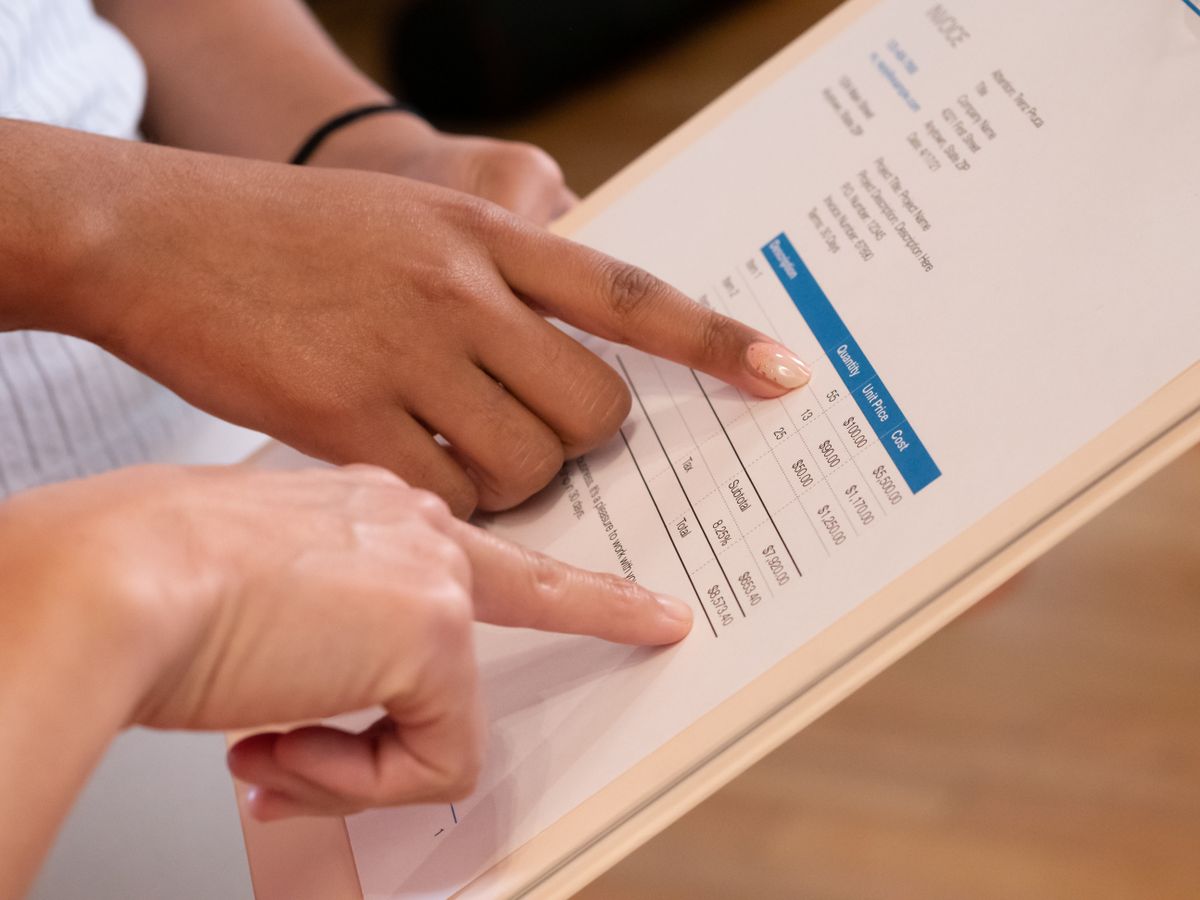
“1.8 million” is probably the number online sellers in Thailand hear most often, and also the one most often misunderstood. Some think it is the income tax threshold. Some think it is counted from profit. Some have separate shops on several platforms and assume they can count them separately.
We have written about income tax separately in Do online sellers in Thailand have to pay tax?. This page is only about VAT: when you need to register, how sales are counted, and how much life changes after you register.
Note: This article is general information, not personal tax advice. If your sales are close to the threshold, talk to an accountant or call the Revenue Department at 1161 before deciding.
When do you need to register for VAT?
Quick Answer: When your revenue from regularly selling goods or providing services passes 1.8 million baht a year, you must apply for registration (form P.P.01, ภ.พ.01) within 30 days of the day your revenue passes that amount.
The part to underline is “within 30 days of the day it passes.” You do not wait until the end of the year to register. Say your shop’s cumulative sales pass 1.8 million baht on 20 September: you must apply by around 20 October of that same year.
So any shop selling 1.5 million baht or more a year should check cumulative sales every month, not just once a year when filing taxes.
What counts toward the 1.8 million?
Quick Answer: It is counted from your sales (revenue) across all channels combined, not profit, and does not include goods or services the law exempts from VAT.
| Counts | Does not count, or needs checking |
|---|---|
| Sales from Shopee, Lazada, TikTok Shop | Goods exempt from VAT by law, such as agricultural produce, animals, fertilizer, newspapers, textbooks |
| Sales through LINE, Facebook, IG paid by bank transfer | Money that is not sales revenue, such as money transferred by family |
| Sales at a physical shop, market, events | Income from regular employment (salary) |
| Service fees, such as made-to-order work or paid content creation |
Common mistakes:
- Sales are not profit. A buy-and-resell shop with a 15% margin that sells 1.8 million has only about 270,000 baht in profit, but has already reached the VAT threshold.
- Several shops are combined. The threshold looks at the business owner, not each shop.
- Transfers into your account do not always equal sales, but the Revenue Department sees data from both banks and platforms, so keep your own sales records to explain if needed.
If you sell a mix, where some items are VAT-exempt and some are not (for example, fresh vegetables alongside processed goods), ask an accountant or call 1161 to be sure which parts count.
What changes after you register for VAT?
Quick Answer: You must collect 7% VAT from customers, issue a tax invoice for every sale, keep purchase and sales tax reports, and file P.P.30 every month by the 15th of the following month, even in months with no sales.
According to the Revenue Department’s VAT guide, the added work looks like this:
- Collect 7% output tax from customers (the 7% rate includes local tax; the Cabinet approved using it until 30 September 2027)
- Issue a tax invoice for every sale, full or abbreviated, and keep copies for at least 5 years
- Keep 3 reports: a sales tax report, a purchase tax report, and a goods and raw materials report (for shops selling goods)
- File P.P.30 every month by the 15th of the following month, with 8 extra days if you file online
- Ask suppliers for a tax invoice every time you buy stock, so you can deduct input tax from output tax
Put simply, the tax you pay each month = output tax minus input tax. In months when input tax is higher, you can claim a refund or carry it forward as credit to the next month.
Do your prices need to change?
Quick Answer: You need to decide whether to add 7% on top of your current price, or keep the same price and treat VAT as included, which means your profit drops by about 6.5% of sales.
Take a jar of cream at 350 baht as an example:
| Approach | Customer pays | What the shop actually gets (before deducting input tax) |
|---|---|---|
| Keep the same price (VAT included) | 350 | About 327 |
| Add VAT on top | 374.50 | 350 |
Most shops on platforms keep the same price for fear of losing sales, which means recalculating your costs. How to set prices that account for everything is in our product pricing formula.
But there is an upside many people overlook. If you buy stock from VAT-registered suppliers and get tax invoices, you can deduct that input tax, so your real costs go down somewhat.
Why do some shops register before reaching the threshold?
Quick Answer: Mostly because their customers are companies that need tax invoices to deduct input tax, or because the shop has high VAT-bearing purchase costs and wants to deduct the input tax. The law allows those with revenue of no more than 1.8 million to register voluntarily.
Registering early may be worth it if you:
- Sell wholesale to shops or companies that regularly ask for full tax invoices
- Provide services to organizations, such as content or website work, where clients often ask “Are you VAT registered?”
- Buy expensive raw materials or equipment that carry VAT and want to deduct the input tax
- Are growing very fast and expect to pass the threshold within a few months, and want your systems set up first
Registering early is not worth it if:
- Your customers are ordinary people buying for themselves who do not use tax invoices
- You do not yet have the time or people to do the reports and file every month
- Your profit per item is thin, and absorbing the 7% output tax yourself would leave almost nothing
How do you register for VAT?
Quick Answer: File form P.P.01 (ภ.พ.01) through the Revenue Department website or at your Area Revenue Office. Once approved, you receive a VAT registration certificate (P.P.20, ภ.พ.20), which must be displayed at your place of business.
Before applying, have these ready:
- ID card, and house registration or documents for your place of business
- Commercial registration (if you have it)
- Past sales records showing the date you passed the threshold
- A bookkeeping system ready for monthly reports. If you are not yet recording income and expenses systematically, start with Easy DIY bookkeeping for an online shop
Honestly, most shops with sales high enough to need VAT registration will find it worth hiring an accountant to handle the monthly P.P.30. It is also a good moment to think about whether to set up a company or stay a sole trader for now at the same time.
If you already passed the threshold but have not registered
Quick Answer: Apply right away and talk to your Area Revenue Office or an accountant, because the longer you leave it, the more back taxes, penalties and the 1.5% monthly surcharge pile up.
The most painful part of registering late is that you did not collect the VAT you should have collected from customers during that time, but you still have to pay it. That money comes entirely out of your own profit. The sooner you fix it, the less it hurts.
Needing to register for VAT does not mean your shop is doing worse. Quite the opposite. It means your shop has grown to the next level. Prepare a little in advance, and this step is nothing to fear.
Questions parents ask
01How much do I need to sell before registering for VAT?
When your revenue from regularly selling goods or providing services passes 1.8 million baht a year, you must apply for registration within 30 days of the day your revenue passes that amount.
02Is the 1.8 million counted from sales or profit?
From revenue, meaning sales, not profit. Shops with thin margins but high sales reach the threshold sooner than they expect. You must also combine sales from all your channels, whether Shopee, Lazada, TikTok Shop, LINE or a physical shop.
03I have several shops on different platforms. Can I count them separately?
No. The threshold looks at the business owner. If all the shops belong to you alone, you must combine revenue from every channel.
04Can I register for VAT before reaching 1.8 million?
Yes. The Revenue Department states that businesses with revenue of no more than 1.8 million baht a year are exempt, but have the right to register voluntarily. Think it through first, because the monthly filing duty starts immediately.
05What do I need to file every month after registering for VAT?
You must file form P.P.30 (ภ.พ.30) by the 15th of the following month (8 extra days if you file online), even in months with no sales, and keep a sales tax report, a purchase tax report, and a goods and raw materials report.
06What is the VAT rate now?
7% (including local tax). The Cabinet approved keeping this rate until 30 September 2027.
07What happens if my sales passed the threshold but I did not register?
You may be charged back taxes on the sales above the threshold, plus penalties and a surcharge of 1.5% per month, which usually has to come out of your own profit, because you can no longer collect VAT from customers after the fact.
Can't find what you're looking for?
Ask us anything about family life in Thailand. No name needed. We read every question, and the ones parents ask most become new guides.